Blowout taper fade haircuts work best when the top, sides, and neckline each play a different role. These photos show that balance in a range of textures and lengths, from tighter, cleaner silhouettes to fuller shapes with more movement through the crown. Instead of chasing one fixed formula, the looks below highlight what changes visually when the fade rises, the top loosens, or the back is left fuller. Use each image as a reference point for discussing shape, fringe, and finish with a stylist.
Rounded Tapered Texture
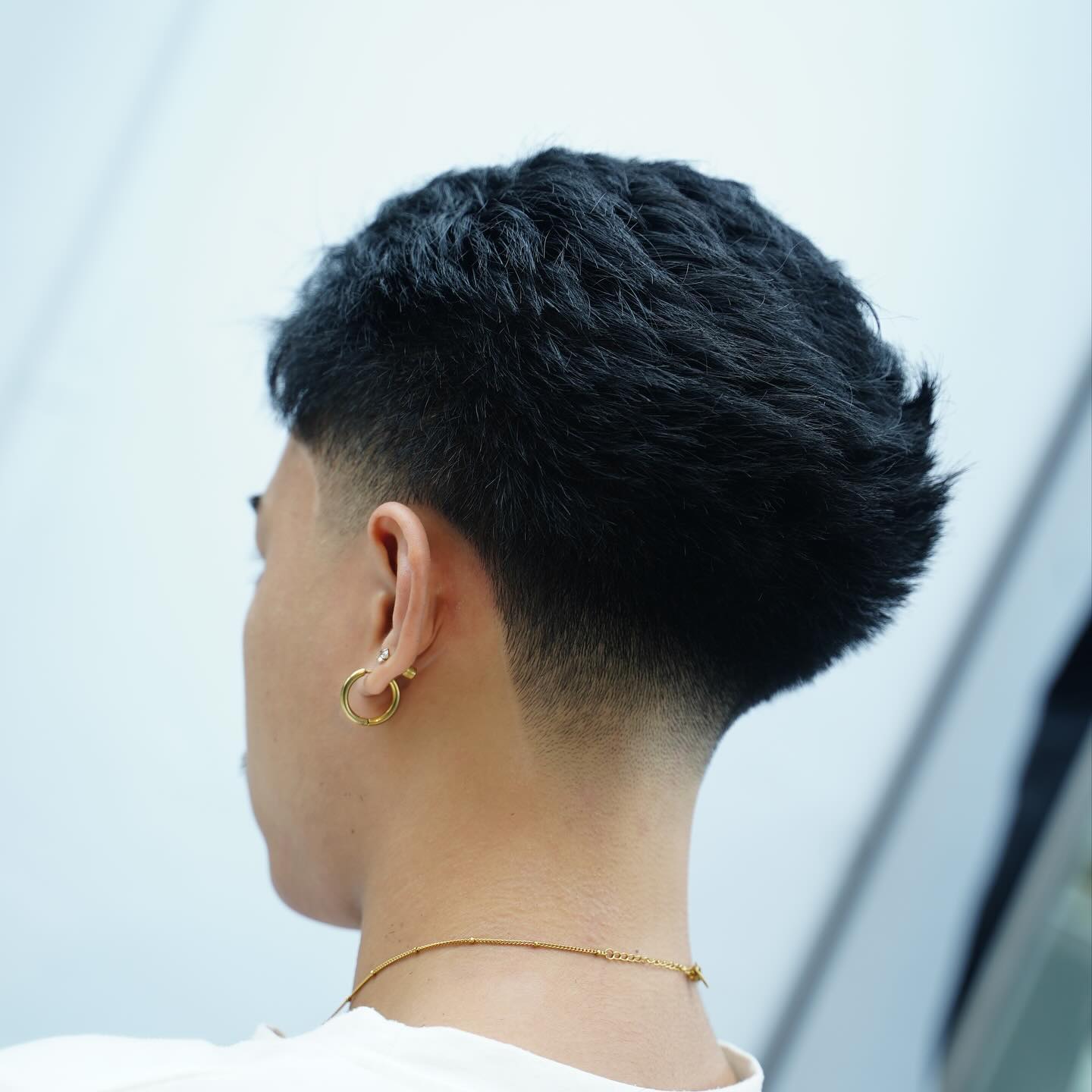
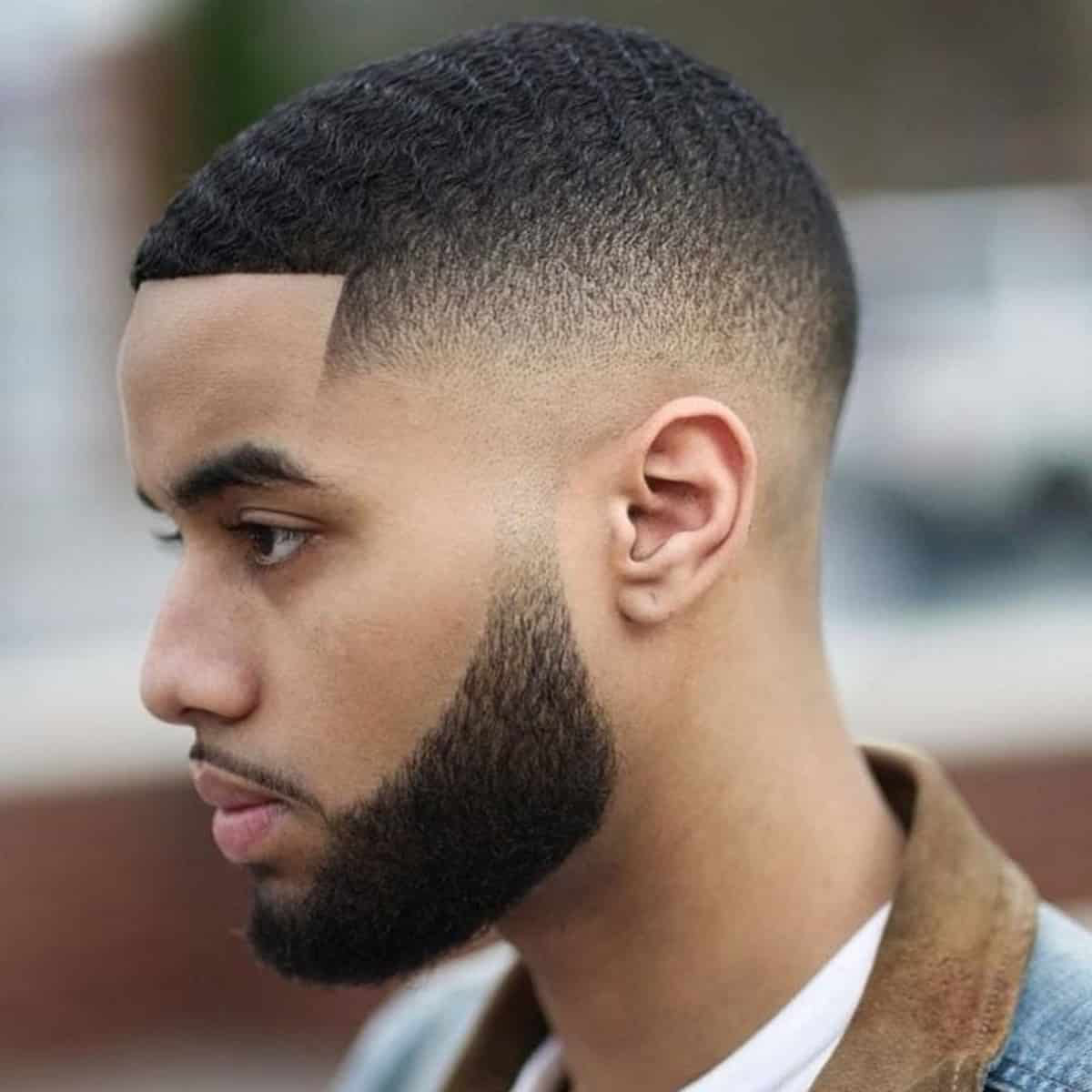
Short, dark texture sits above a smooth taper that drops cleanly behind the ear and around the nape. The crown keeps soft lift without turning bulky, while the back rounds into a tidy silhouette. A stylist could refine the transition if you want the fade line to read softer or more compressed.
Loose Crown Volume
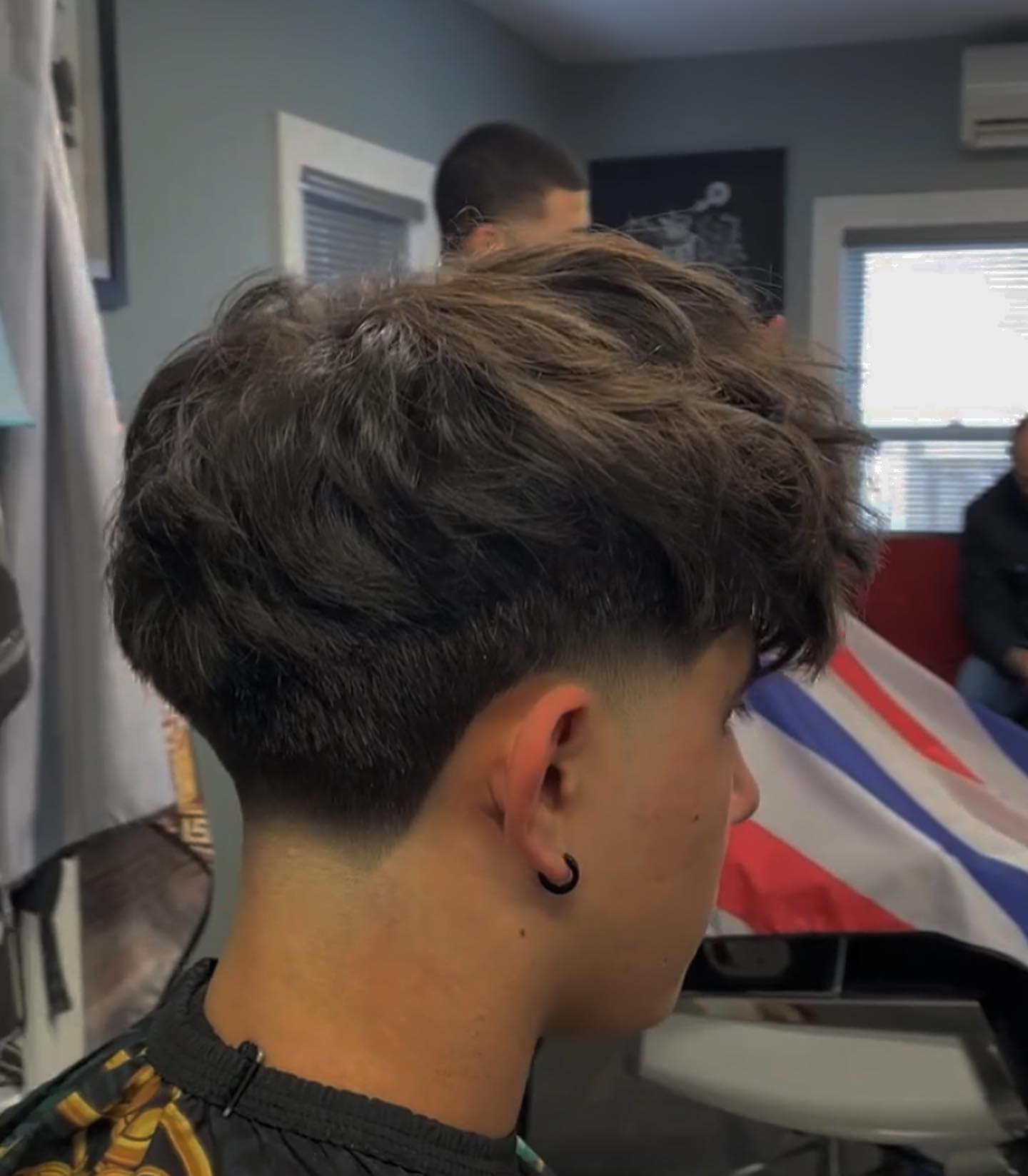
Medium-length strands push upward and outward, creating a relaxed, airy top with visible fullness through the crown. The sides stay low and blended, so the shape feels broader on top and lighter underneath. If you like this balance, ask about keeping weight at the front while softening the perimeter for movement.
Curled Top Taper
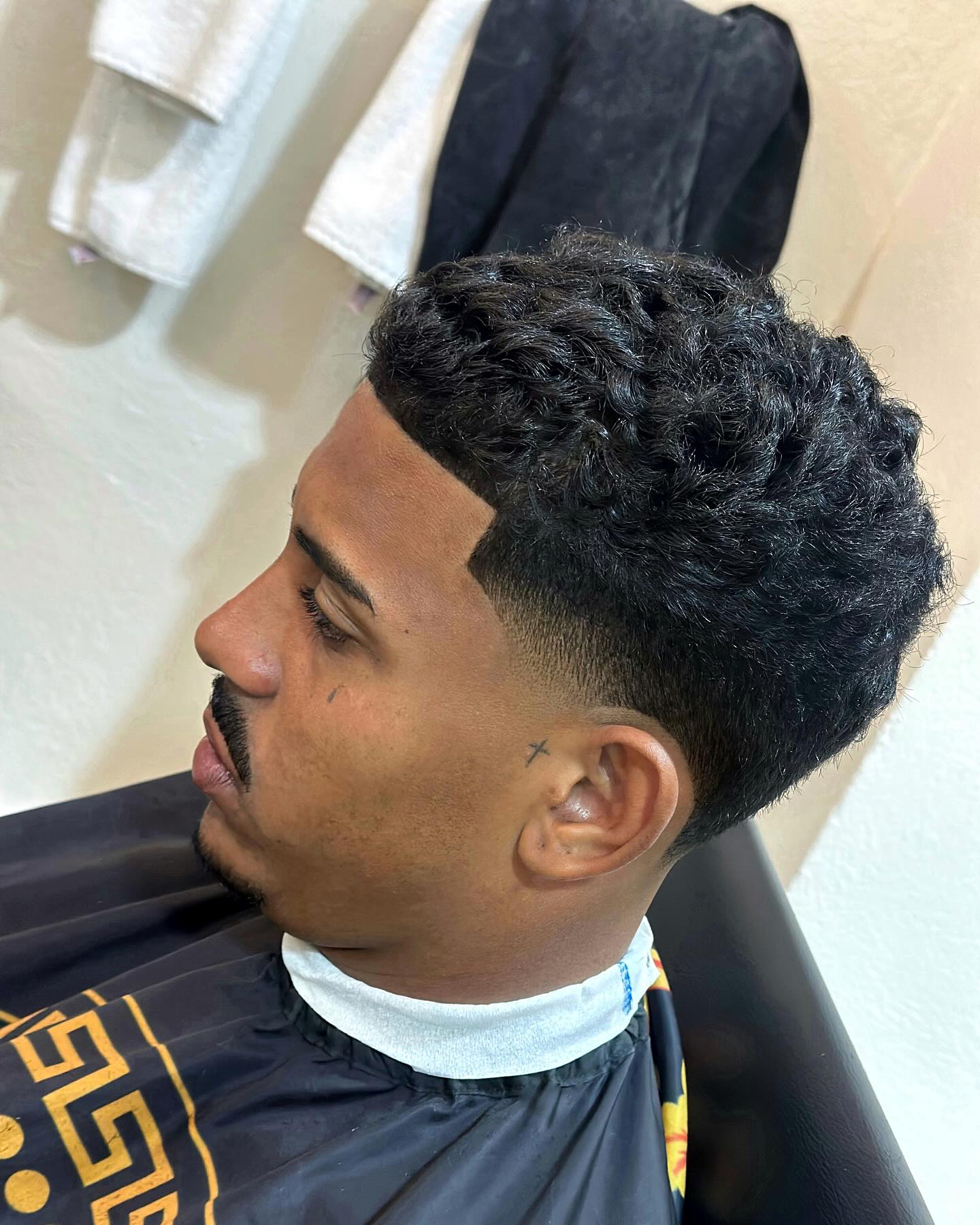
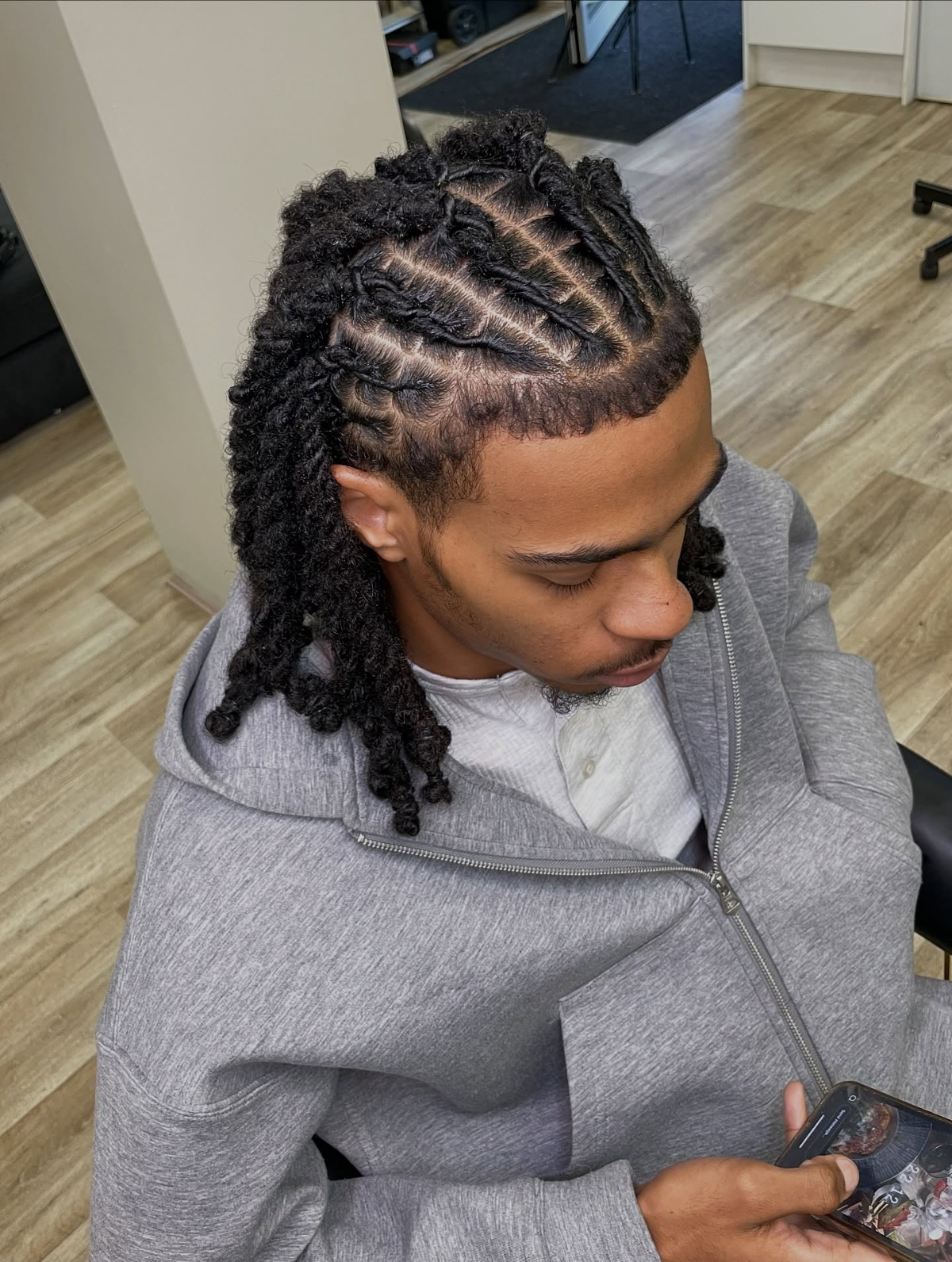
Defined curls cluster across the top and front, while the sides taper down gradually for a neat profile. The shape stays compact at the temples but keeps a fuller, rounded crown. A practical detail to discuss is how much curl separation you want near the hairline versus more density through the top.
Forward Fringe Fade
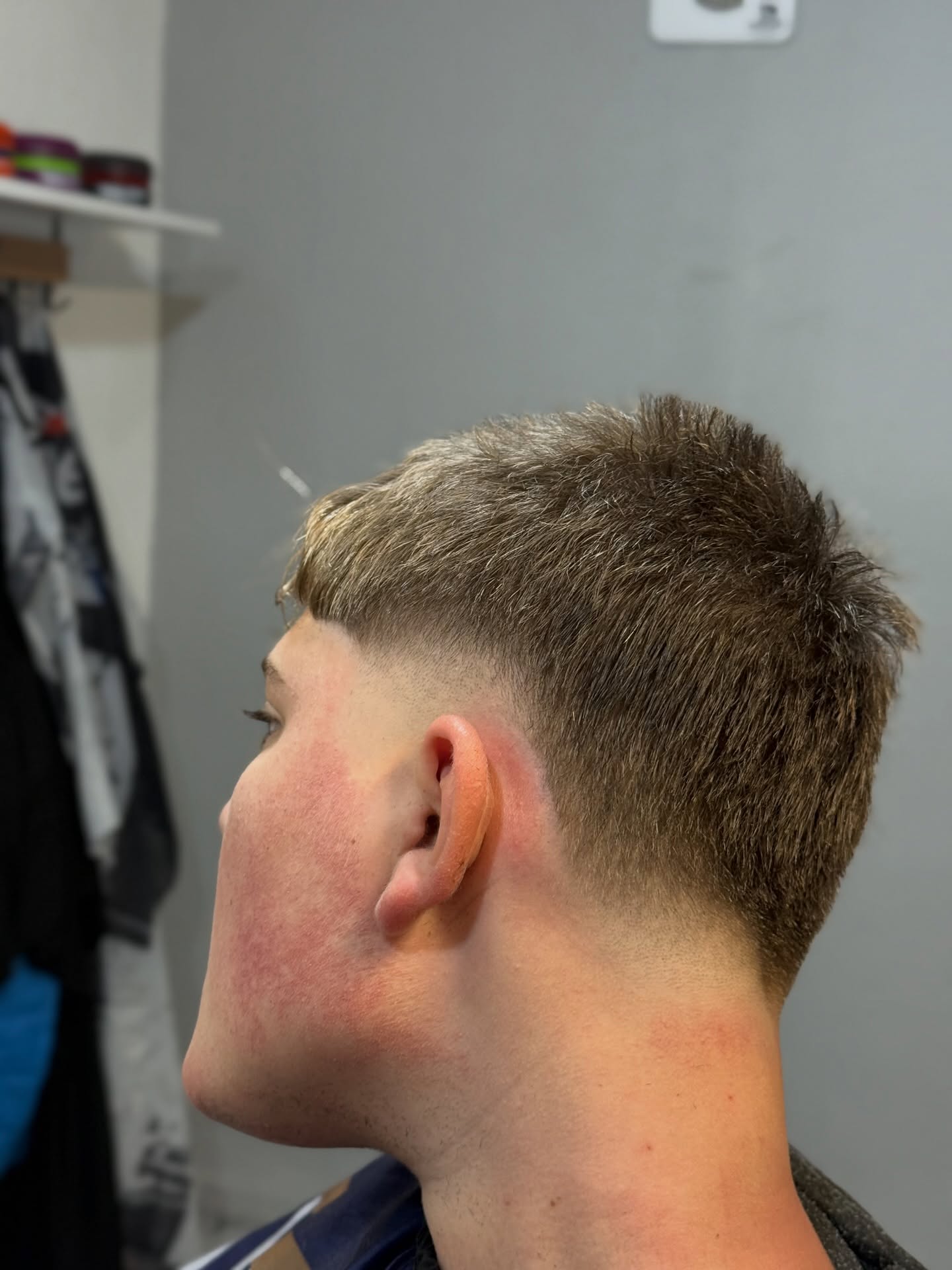
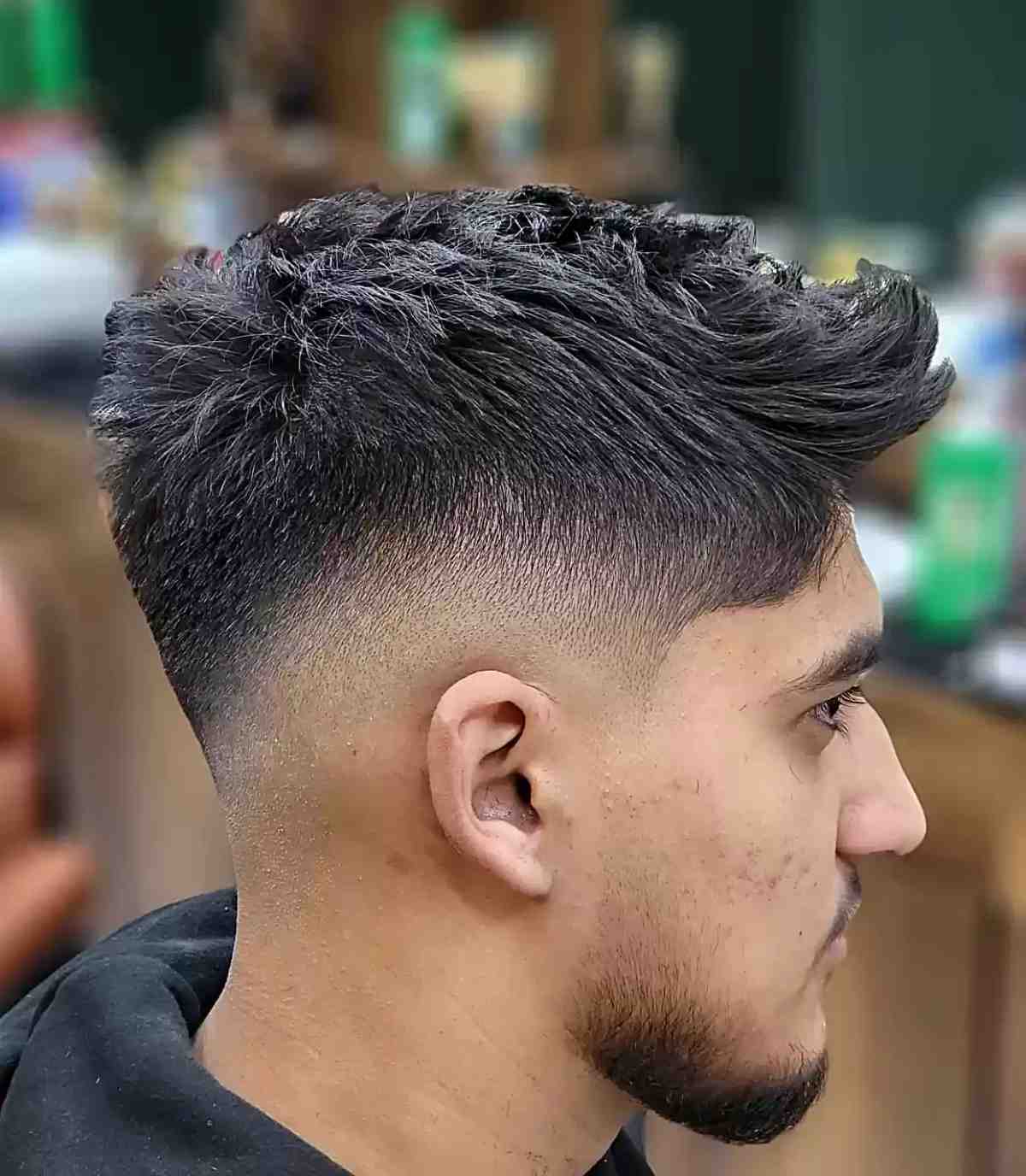
A short textured top moves forward into a compact fringe, with the sides fading tight and clean. The overall outline is compact and slightly square, with the top carrying the visual interest. If you want this shape, mention how much forehead coverage you prefer before the fringe is cut and textured.
Choppy Crown Taper
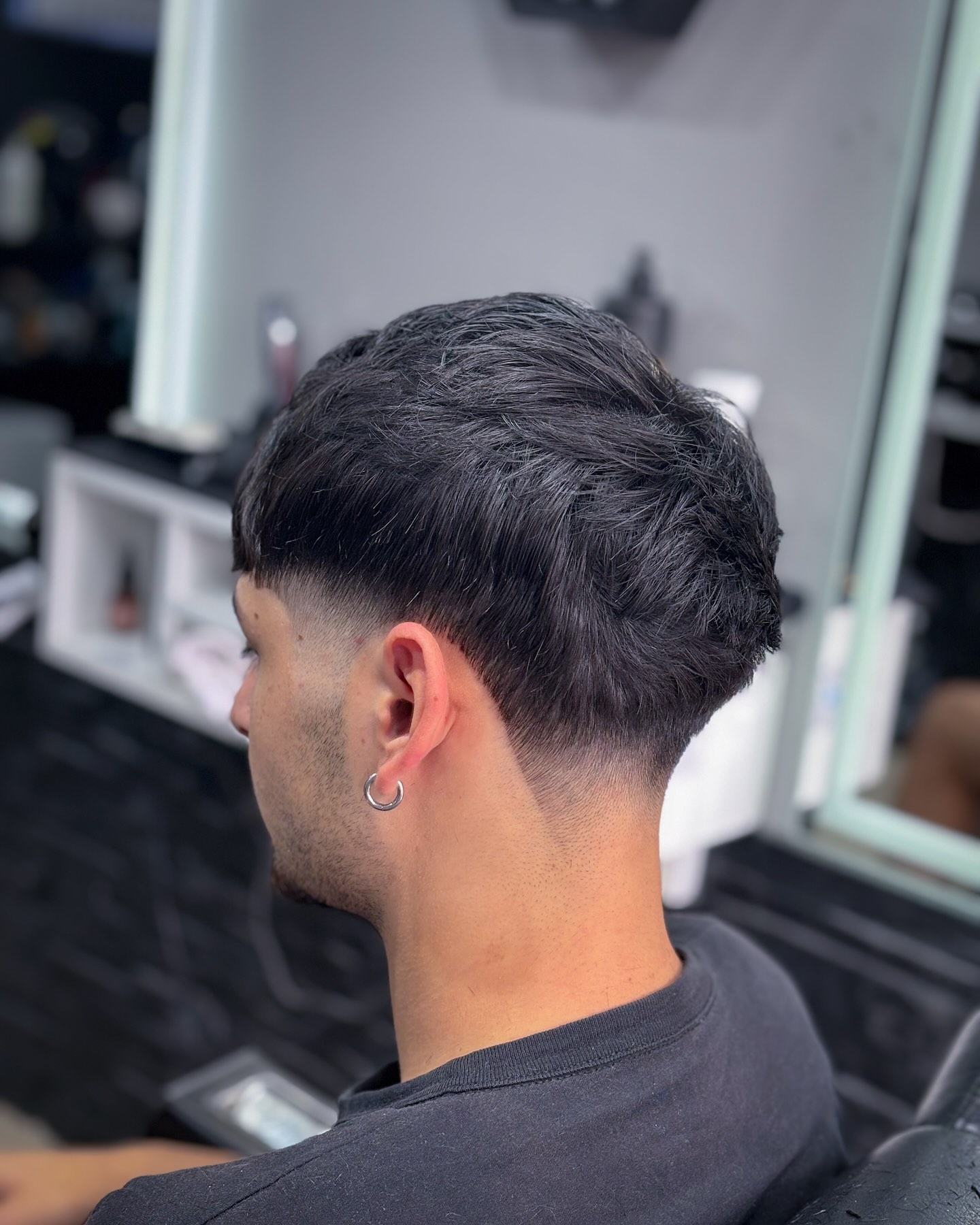
Choppy pieces sit over a very tidy fade, giving the top a broken-up finish and the sides a crisp outline. The back keeps a rounded profile with close length at the neckline. For upkeep, ask your stylist how much internal texture they would remove so the top stays separated instead of puffing out.
Defined Curl Fade
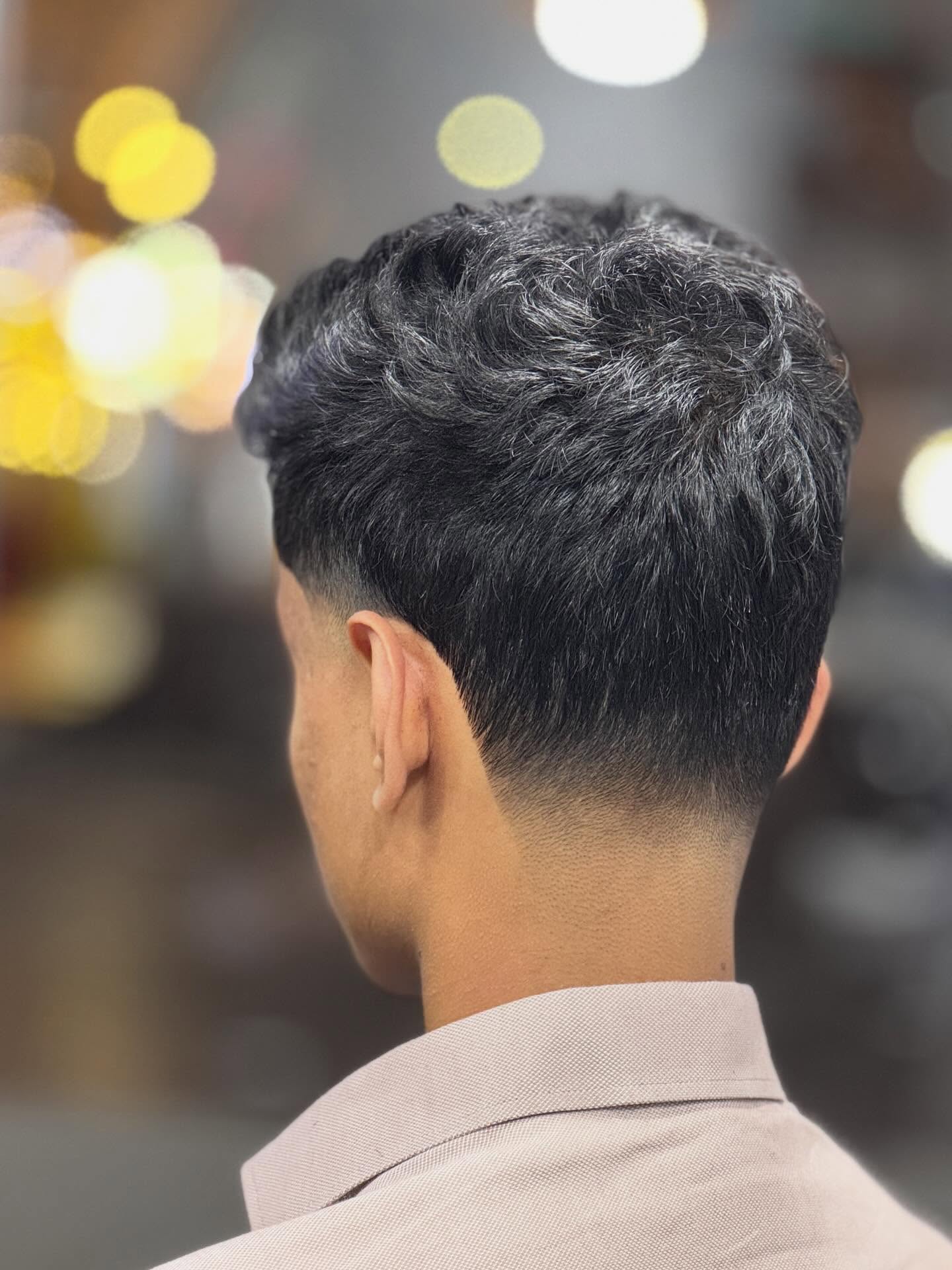
Curl definition is strongest through the top and upper back, while the sides taper down in a clean gradient. The shape reads fuller on top and narrower at the base, with a neat neckline finish. A useful salon point is whether to keep the curl pattern compact or allow a little extra width at the crown.
Loose Curl Blowout
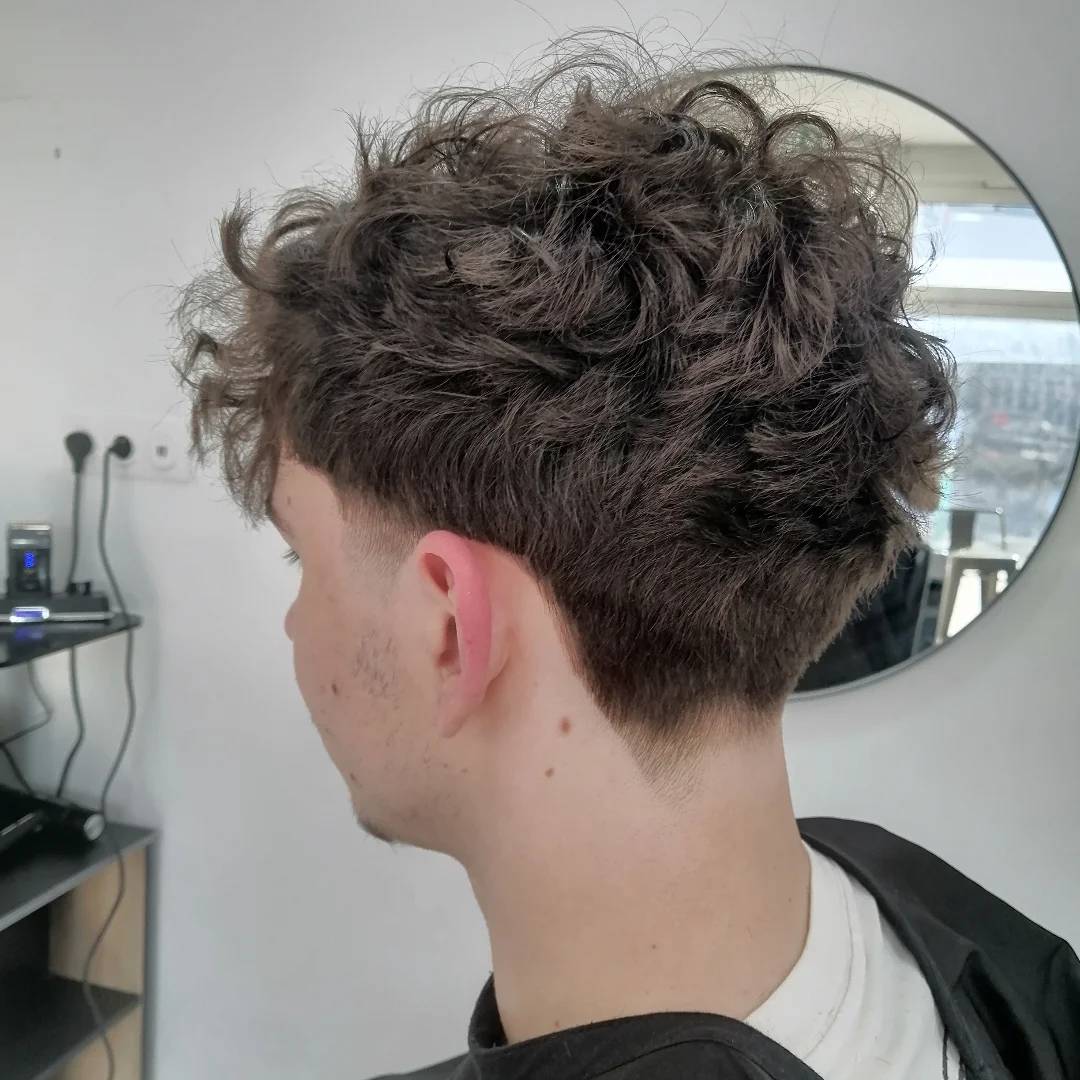
Loose curls create a soft, airy silhouette with more length left through the crown and back. The taper is subtle, so the haircut keeps a fuller outline rather than a sharp disconnect. If you are bringing this photo in, talk about how much length should remain at the back so the shape stays balanced from side to side.
Design Nape Taper
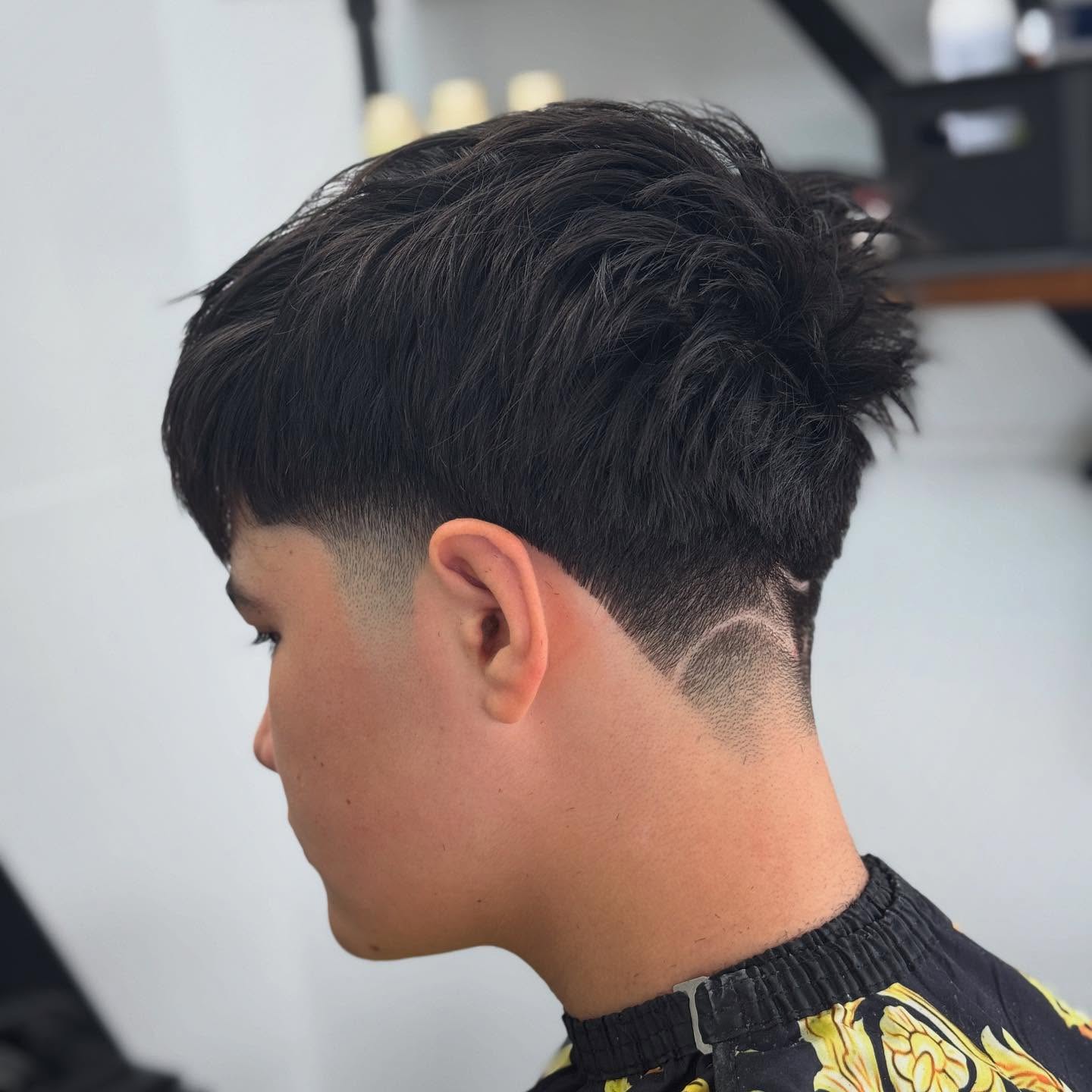
Textured length on top is paired with a tight taper and a shaved detail at the nape, which adds a graphic finish to the back view. The haircut stays clean around the ear while the design creates contrast below. For a similar result, ask your stylist how visible you want the nape detail to be once the hair grows in.
Polished Curl Taper
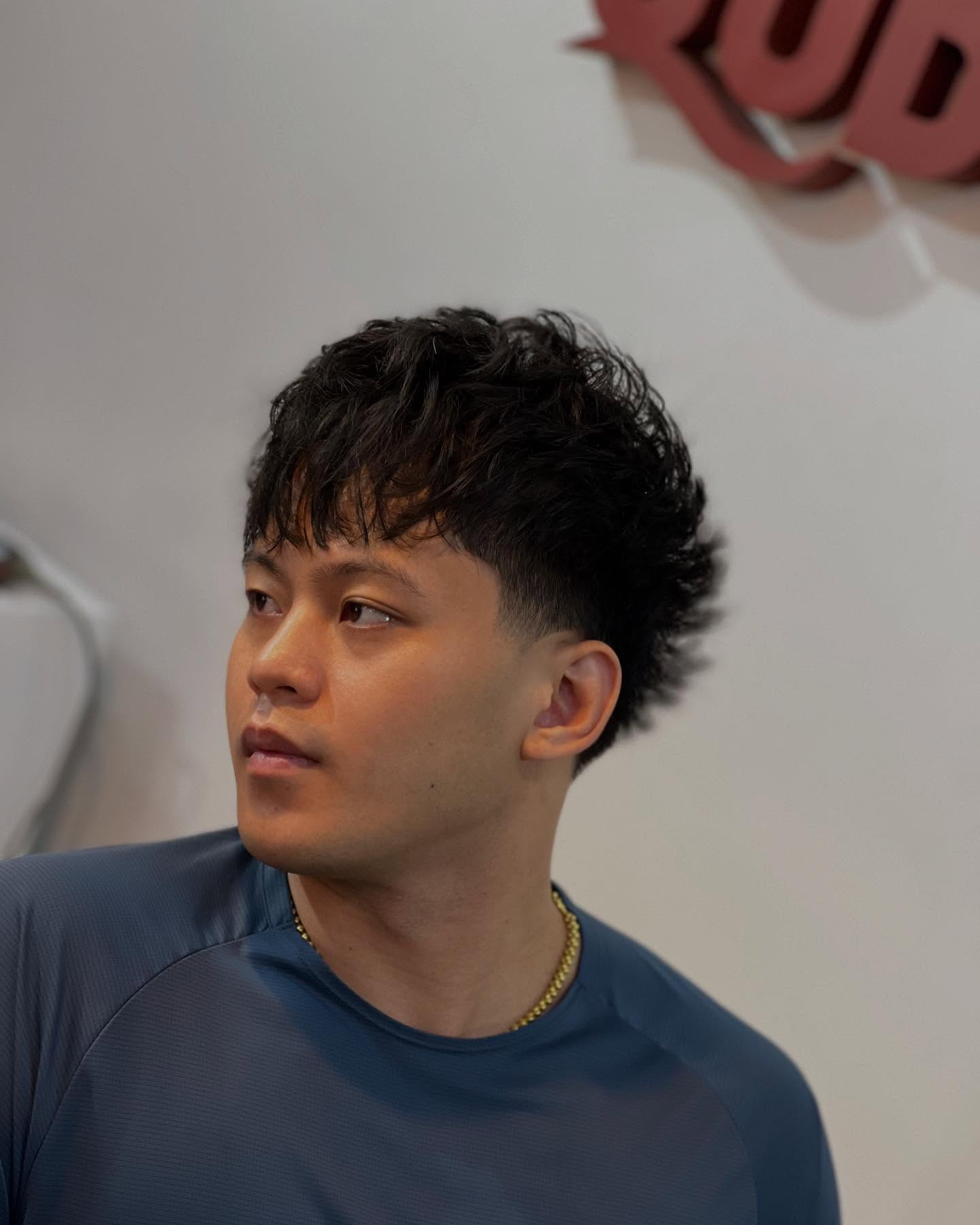
Compact curls are shaped into a controlled, rounded top with smooth tapering at the sides. The finish looks neater and more polished than a loose, undone version, especially around the temples. A good detail to discuss is whether you want curl definition concentrated at the front or evenly carried through the crown.
Swept Waved Taper
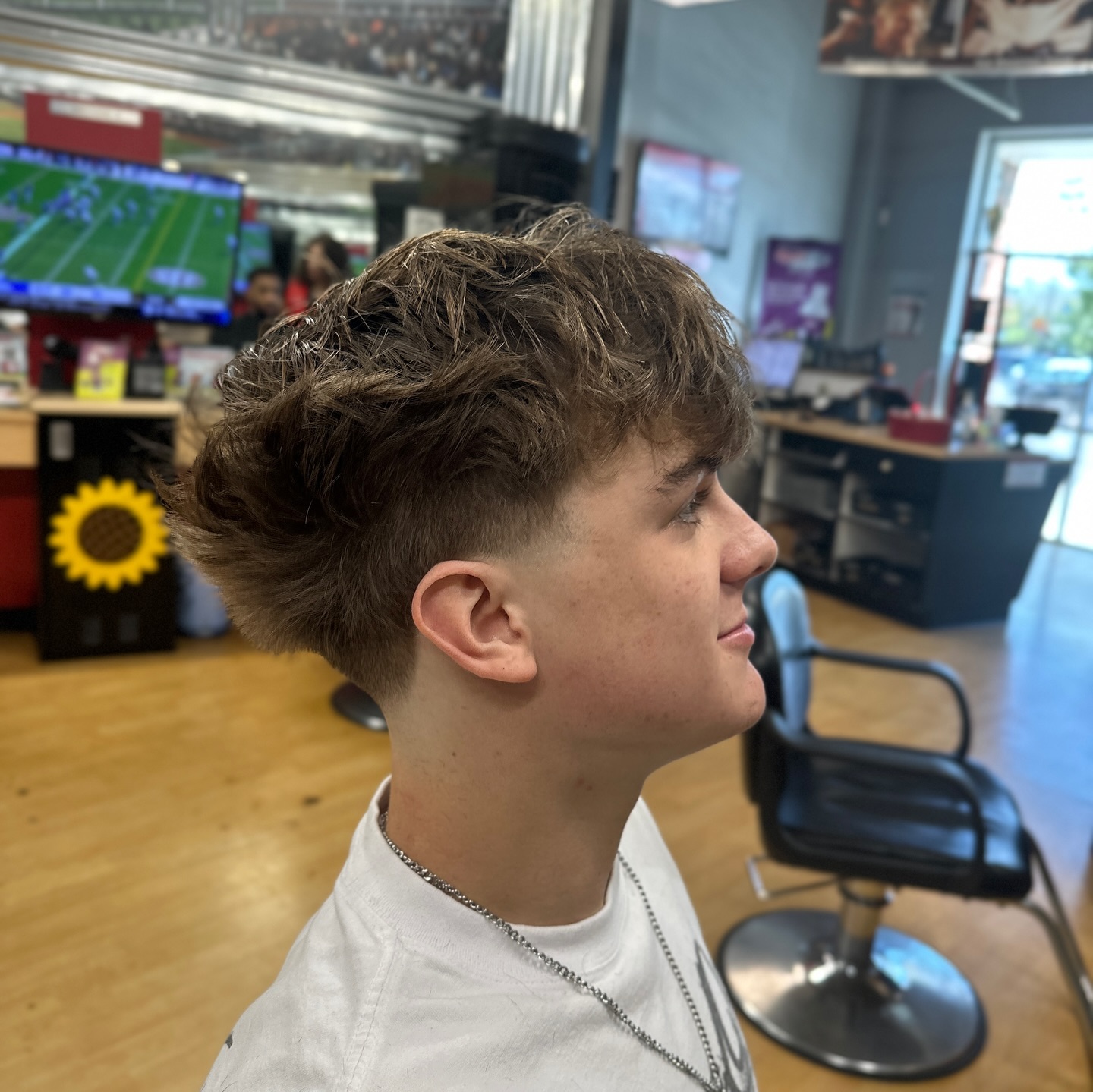
Soft waves sweep back and slightly upward, giving the top a relaxed lift without sharp edges. The fade stays low and understated, which lets the movement across the top stand out. If you want this effect, talk with your stylist about keeping the back light while preserving enough length for the wave pattern to show.
Layered Side Taper
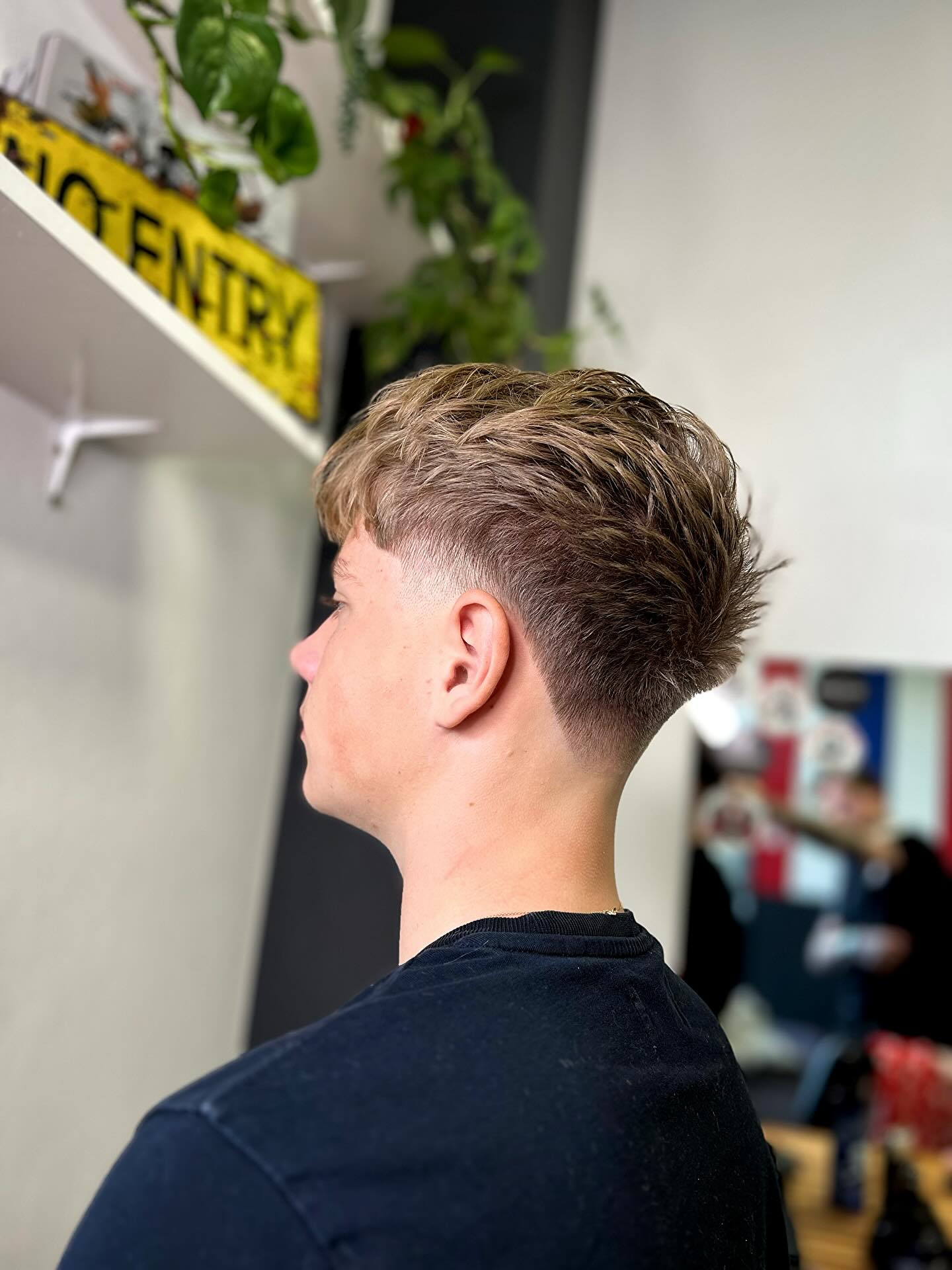
Light layers add airy separation through the top, while the sides stay neat and close. The result is a softer, more textured outline that still reads clean around the ears and nape. A useful styling question is how much layering you want near the front so the fringe falls forward or lifts away from the face.
High Curly Volume
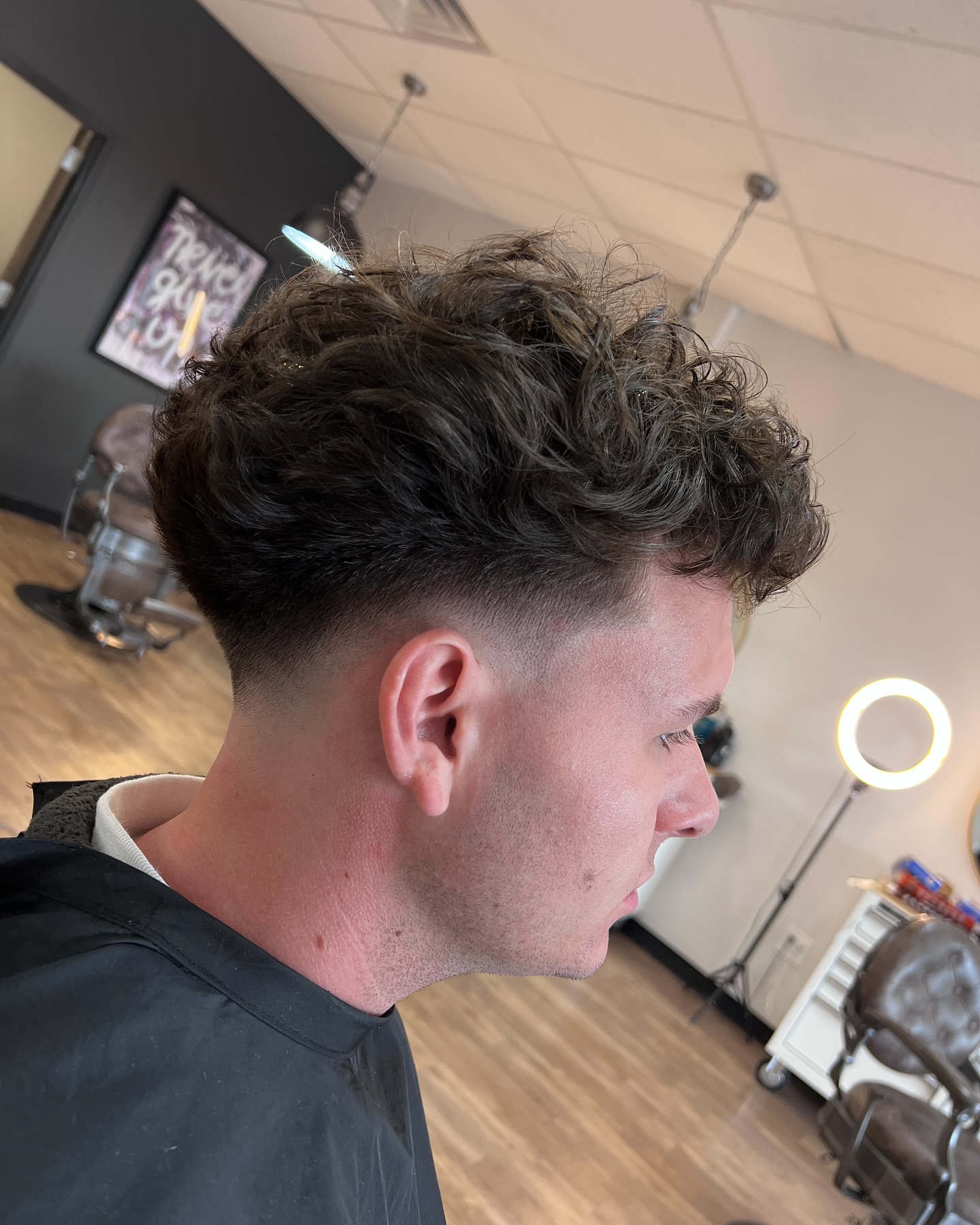
Curls are built high above a tight fade, creating a rounded shape that stacks most of its fullness on top. The sides and back are closely tapered, which makes the crown look even taller. If you like this silhouette, ask about keeping enough length at the top to hold the rounded outline without flattening it.
Blown Layer Taper
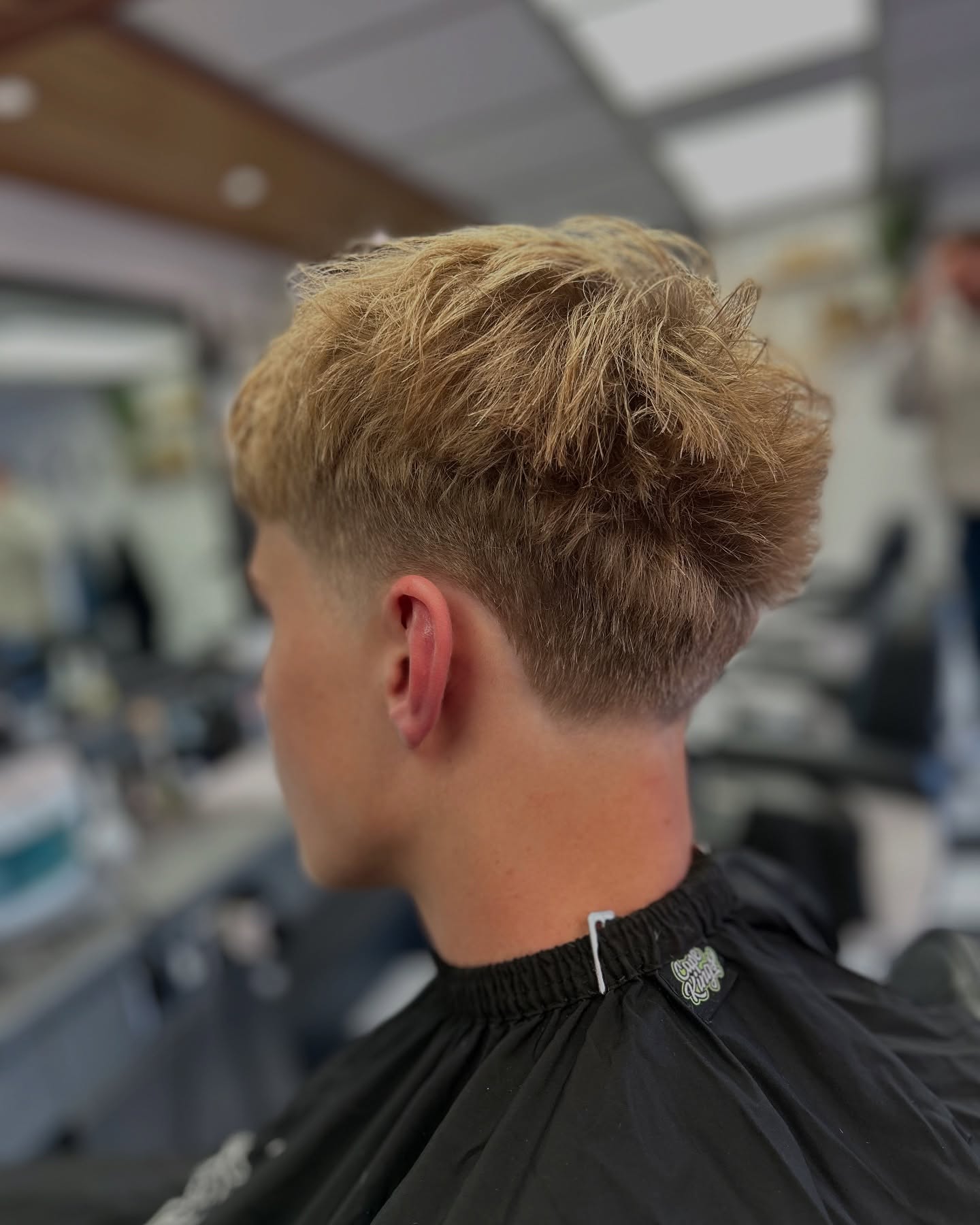
Longer layers are pushed outward to create a blown-out top with plenty of movement and a soft, airy edge. The taper underneath keeps the shape from looking heavy, especially around the back. A salon point worth discussing is how much weight to leave through the crown so the blowout keeps its lift.
Curved Back Taper
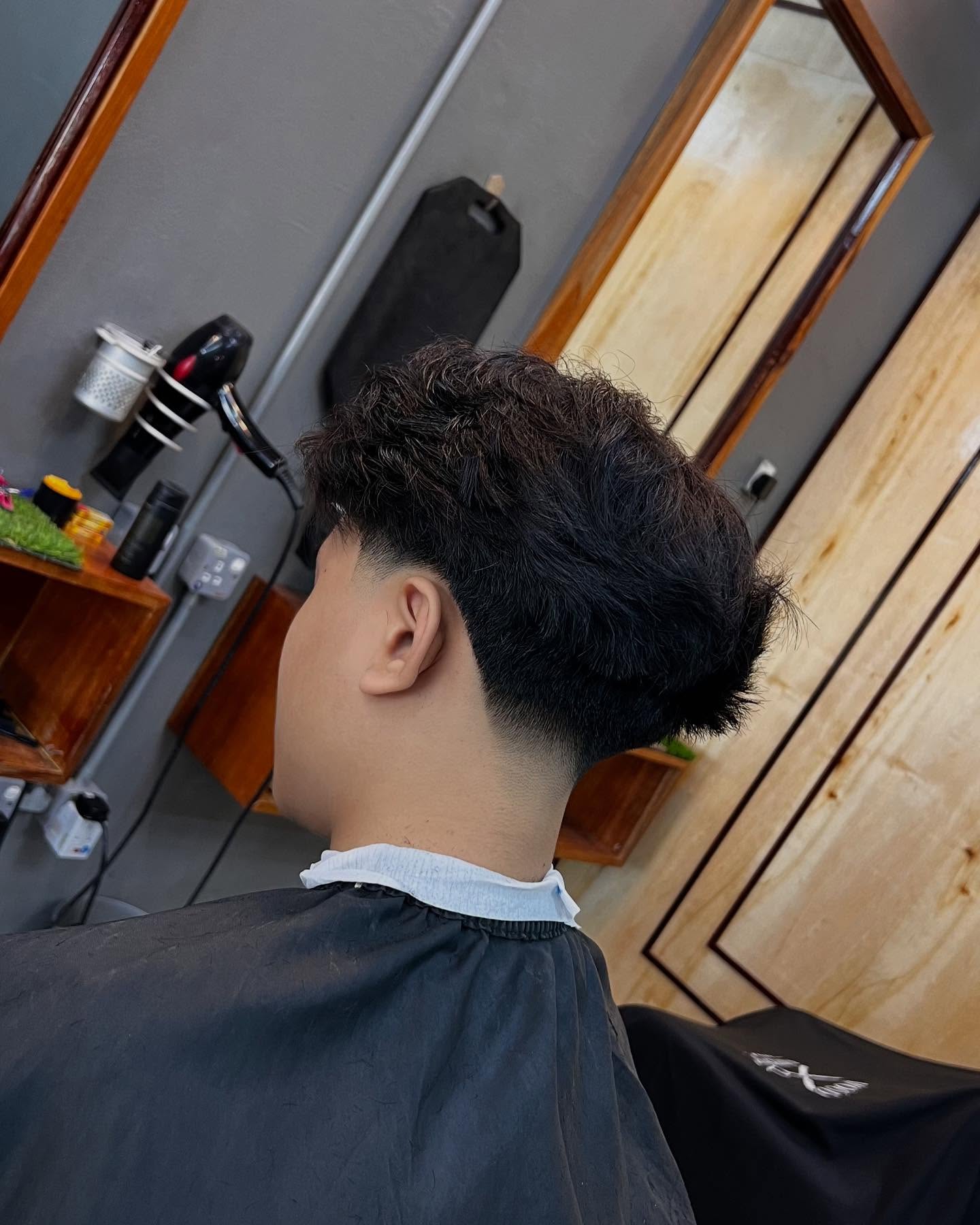
Curly texture sits fuller above a clean taper at the back, leaving the neckline neat and the crown rounded. The sides stay short enough to frame the top without competing with it. If you want this look, ask where the taper should start so the back keeps its curved outline instead of collapsing too low.
Full Curl Side Fade
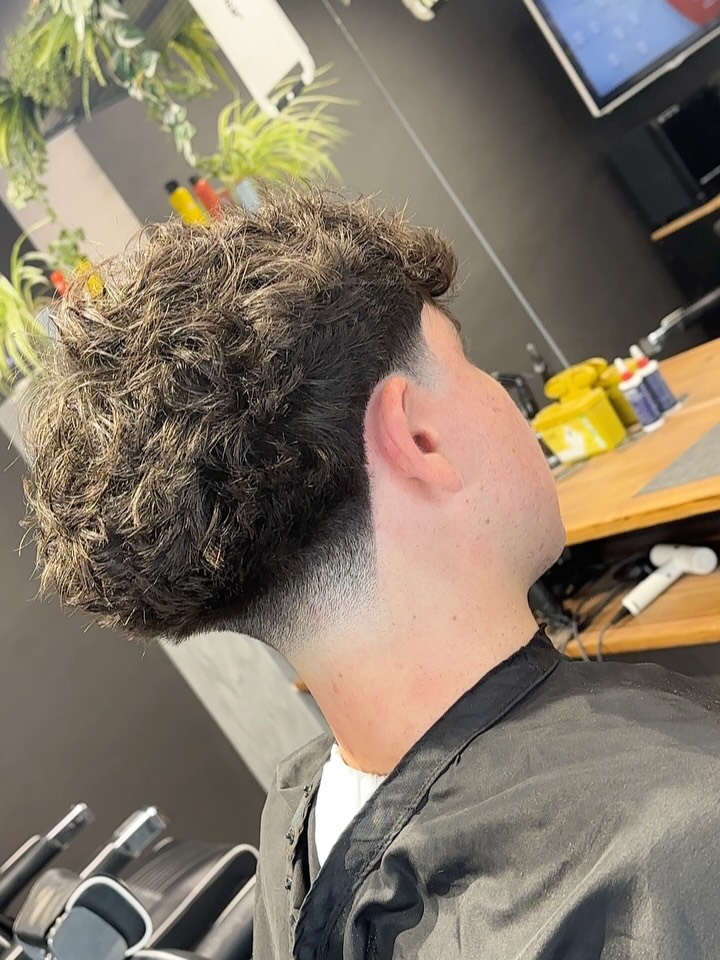
Dense curls spread across the top with a sharp fade cutting in high at the side, which makes the upper shape look wider and more substantial. The neck tapers cleanly, so the finish stays tidy from behind. A stylist can help decide how much side contrast you want before the fade meets the fuller curl section.
Brushed Waved Taper
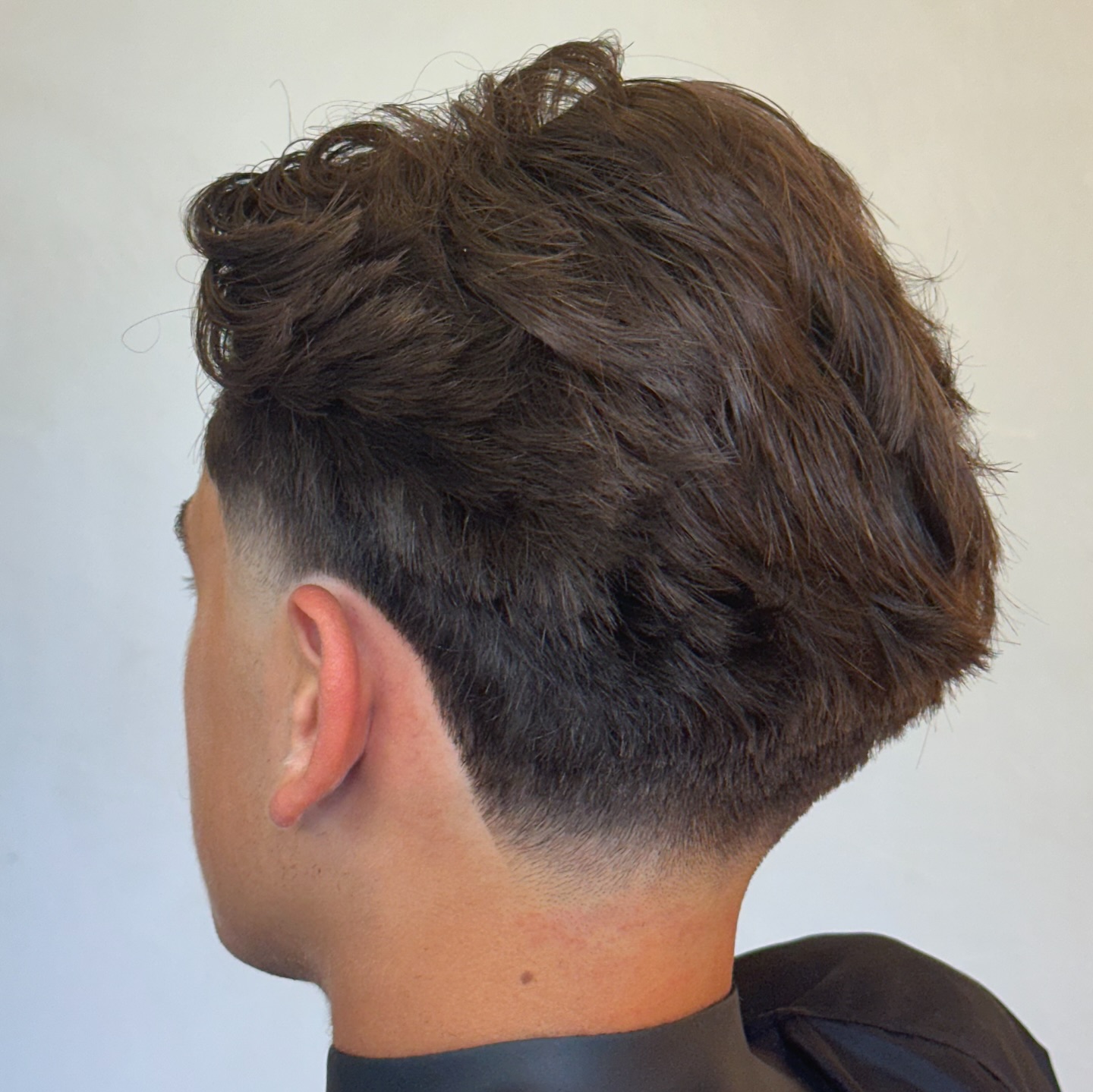
Longer waves are brushed back from the forehead, creating a smooth directional flow with soft lift at the top. The sides and back taper neatly, so the shape feels balanced rather than bulky. If you like this profile, discuss whether the top should sit flatter at the front or keep more visible texture through the crown.
Textured Back Taper
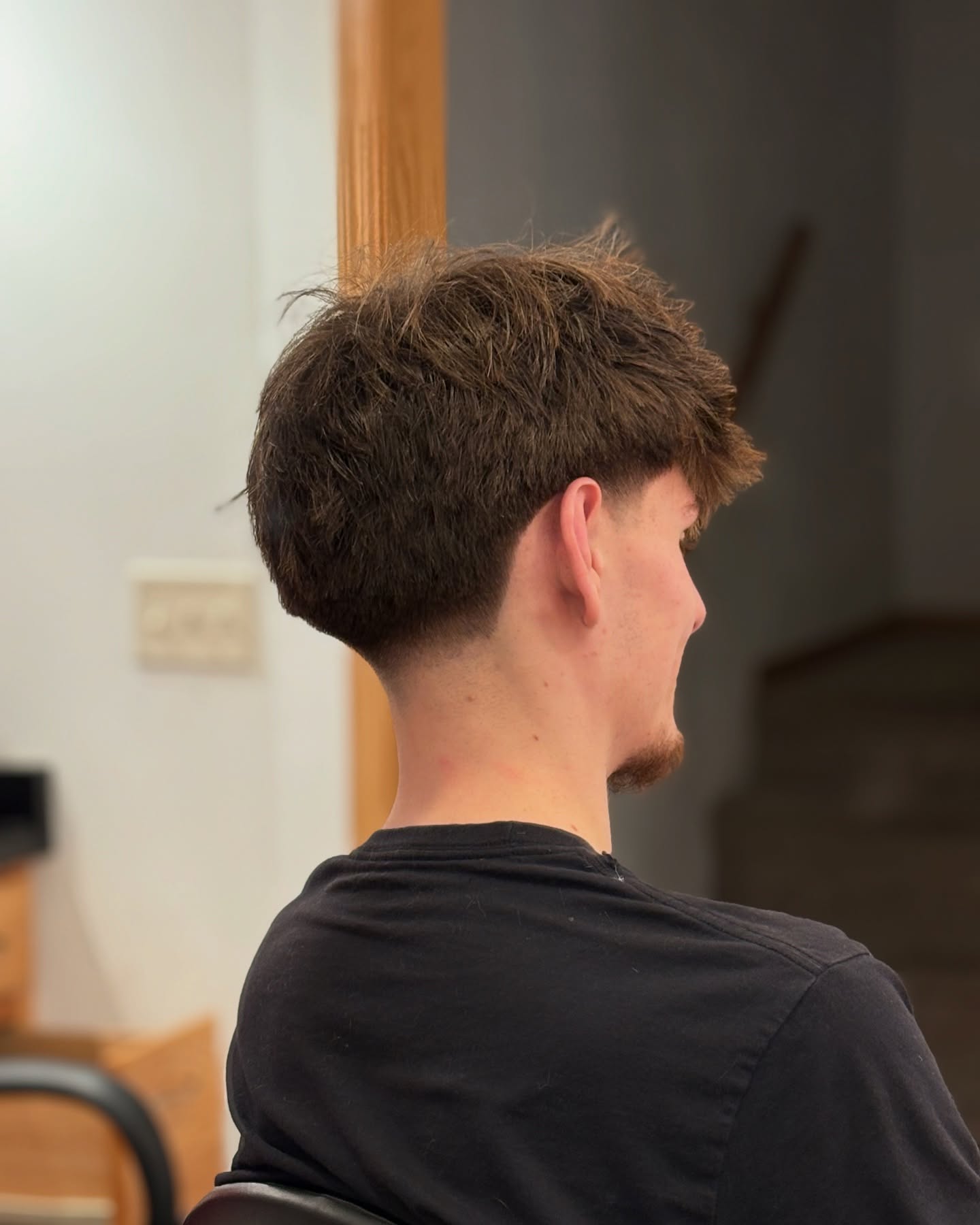
A longer textured top moves into a closely tapered back and sides, leaving the crown with noticeable volume and a slightly rounded rear profile. The shape is looser through the upper section and tighter underneath. For a cleaner finish, ask how much bulk should stay at the back versus being removed along the taper.
Loose Curl Taper
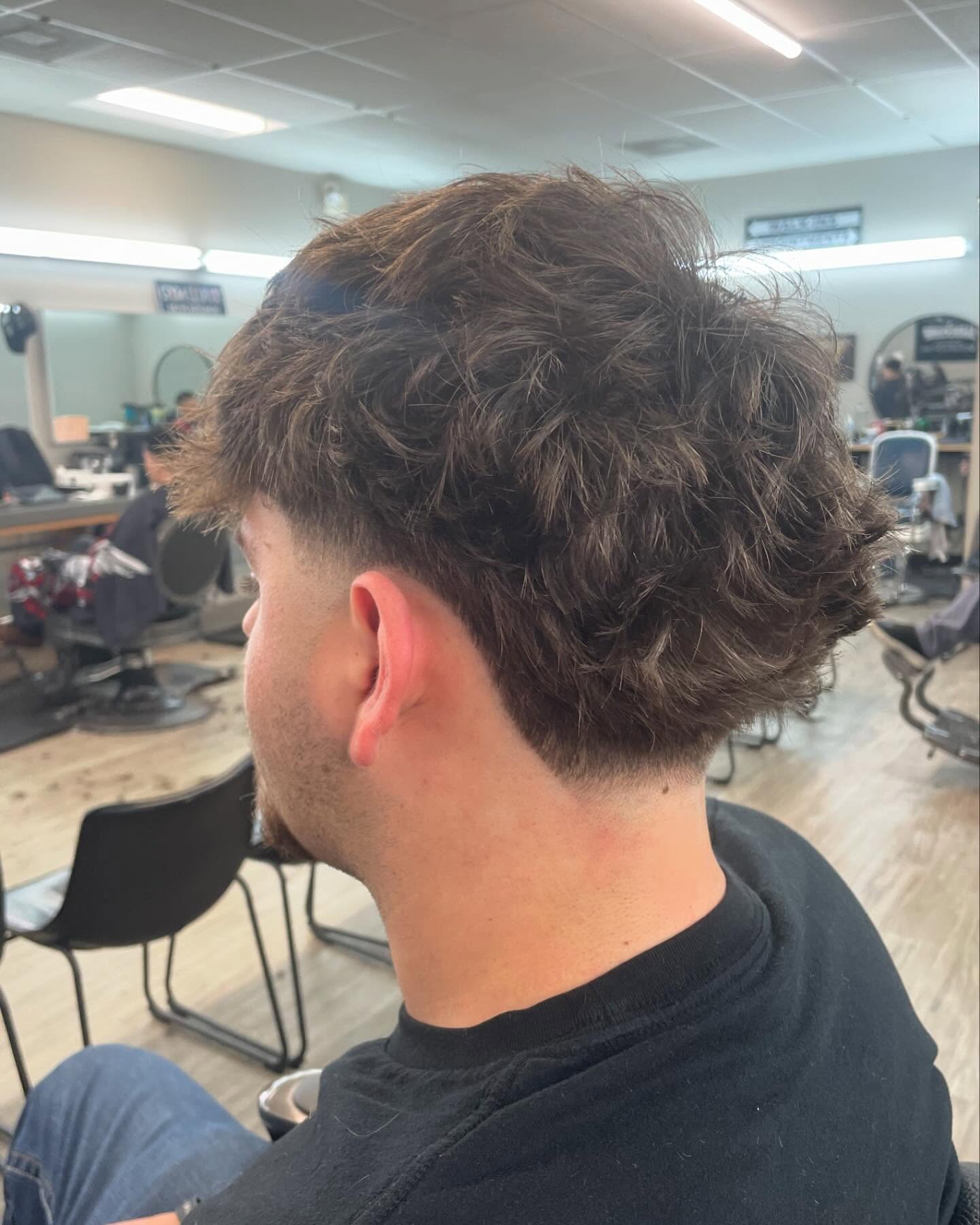
Loose curls sit over a soft taper that keeps the sides compact while the back remains full and rounded. The finish feels relaxed and dimensional, with the curl pattern doing most of the visual work. A helpful detail to bring up is whether the back should stay open and airy or be tightened for a slimmer outline.