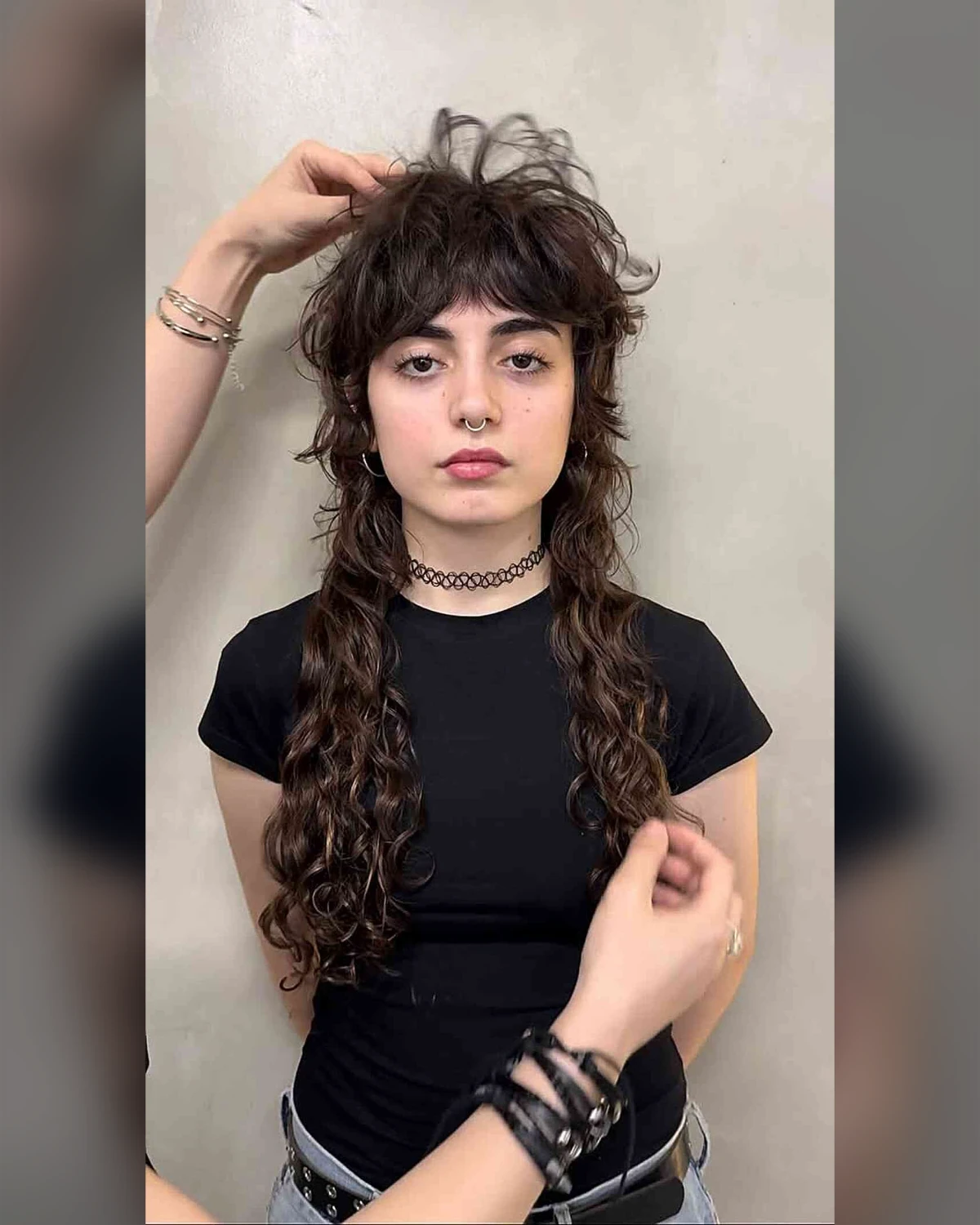
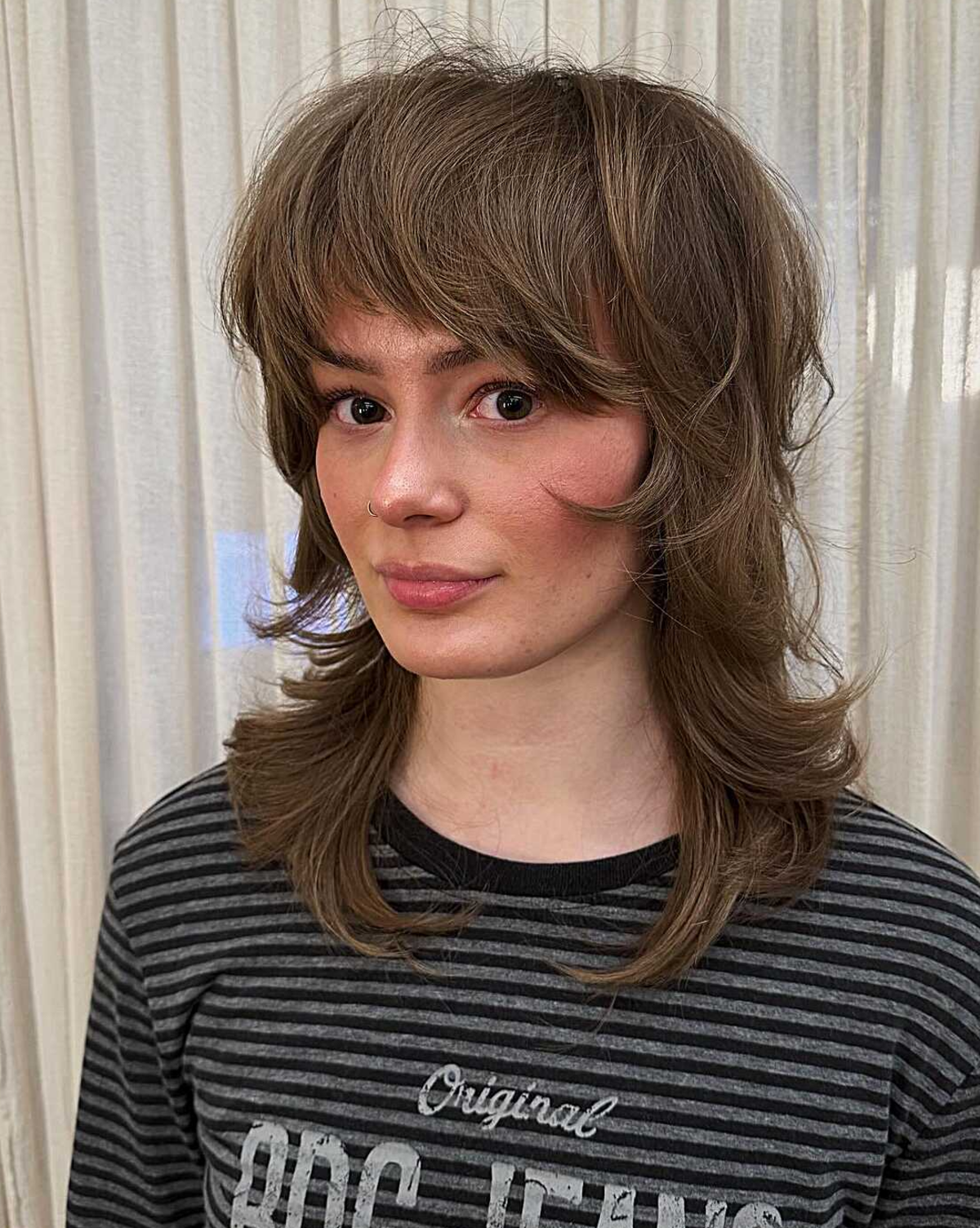
Short shag cuts work best when the layers, fringe, and finish feel intentional rather than overly perfect. In these image-led looks, the shape shifts from rounded and tousled to blunt, airy, and cropped, with color adding extra contrast in several cuts. Some styles sit at the jaw or chin, while others brush the ears or neckline, so the visible length changes the whole mood. The details worth noting are practical ones: how the fringe lands, where the layers break, and whether the ends are soft, flipped, or piecey.
Stacked Nape Shag
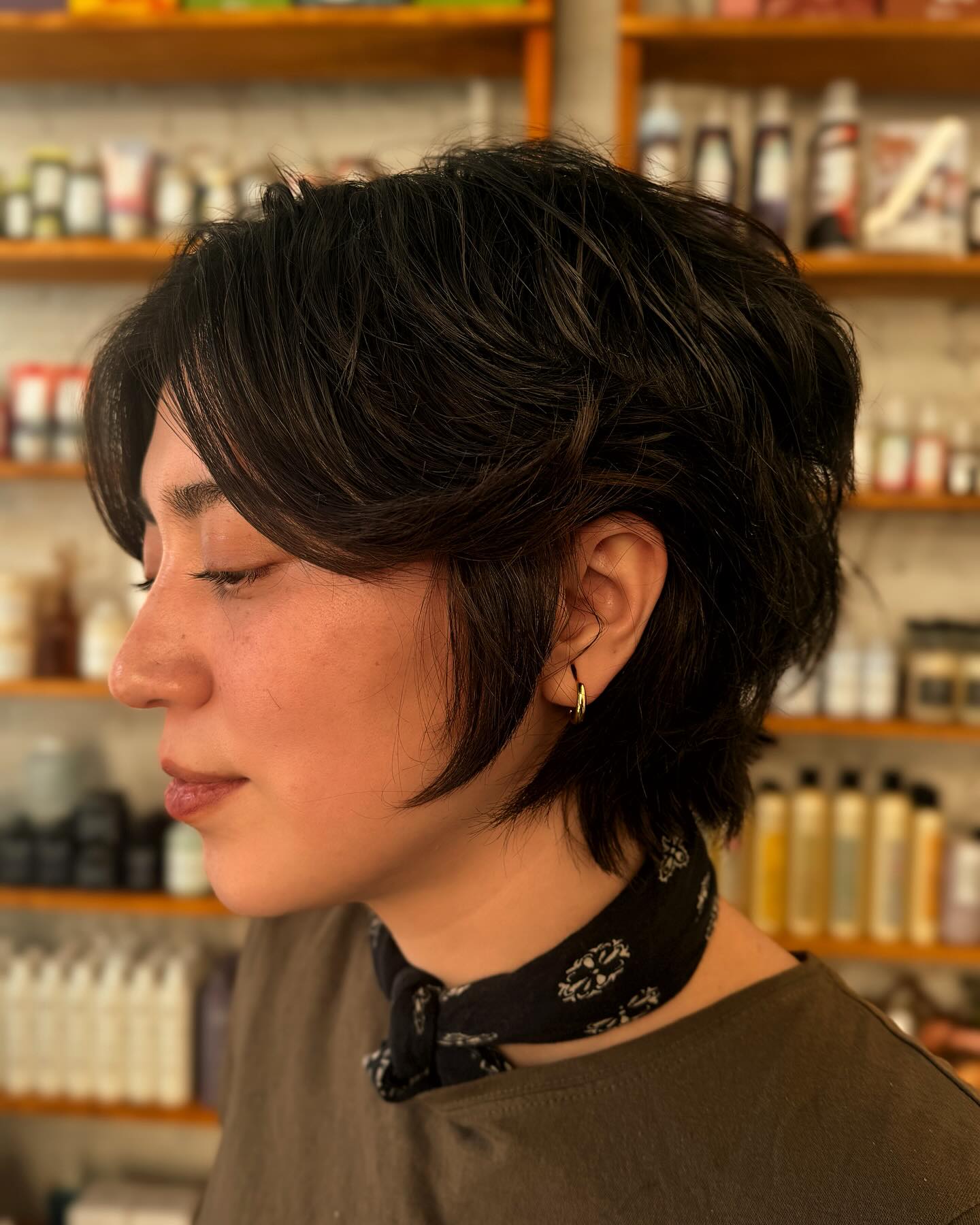
This short shag shows a stacked back with a longer, swooped front and a narrow fringe that blends into the sides. The nape sits compact and layered, while the top remains tousled and slightly lifted. For a shape like this, it is useful to ask how much stacking should stay visible when the hair is tucked behind the ear.
Jawline Textured Shag

A chin-to-jaw length shape pairs with a compact blunt fringe and loose waves that break outward at the ends. The top reads fuller, while the perimeter stays slightly choppy and undone for movement. A clean fringe line like this benefits from discussing how much forehead coverage feels workable when styled both straight and tousled.
Auburn Feathered Shag
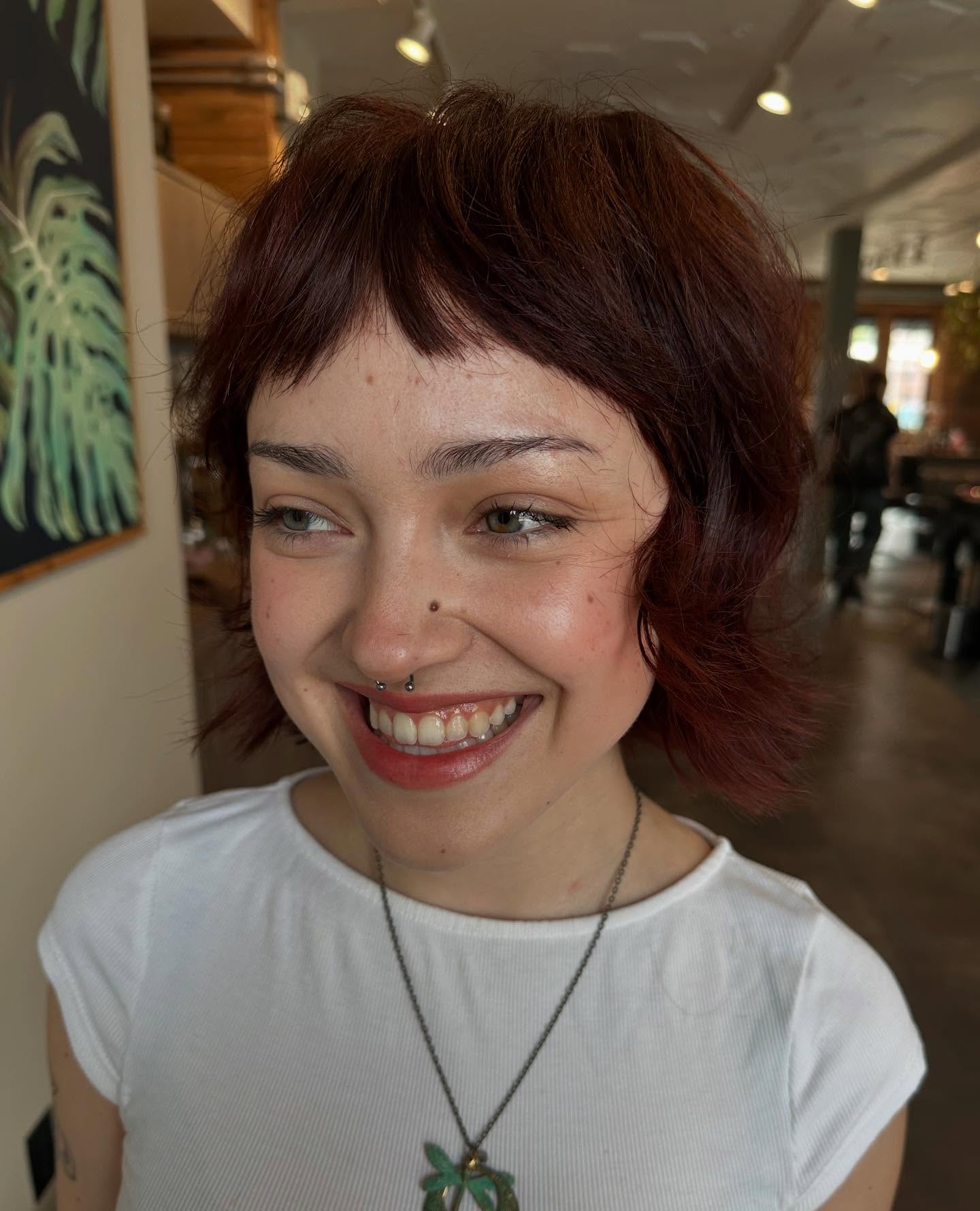
Short auburn layers create a feathered outline with a tiny fringe and soft nape movement. The ends are light and irregular, and the shape sits close to the head without looking flat. A stylist could fine-tune the fringe density if you want more separation at the front or a smoother transition into the side layers.
Curtain-Parted Wavy Shag

Loose waves form a soft jaw-length shape with a center-split fringe that opens the face. The layers sit gently through the midlengths, giving the cut movement without a heavy edge. Because the parting is central and the front pieces taper gradually, it may help to talk through how much width you want the curtain area to create.
Choppy Color-Pop Shag
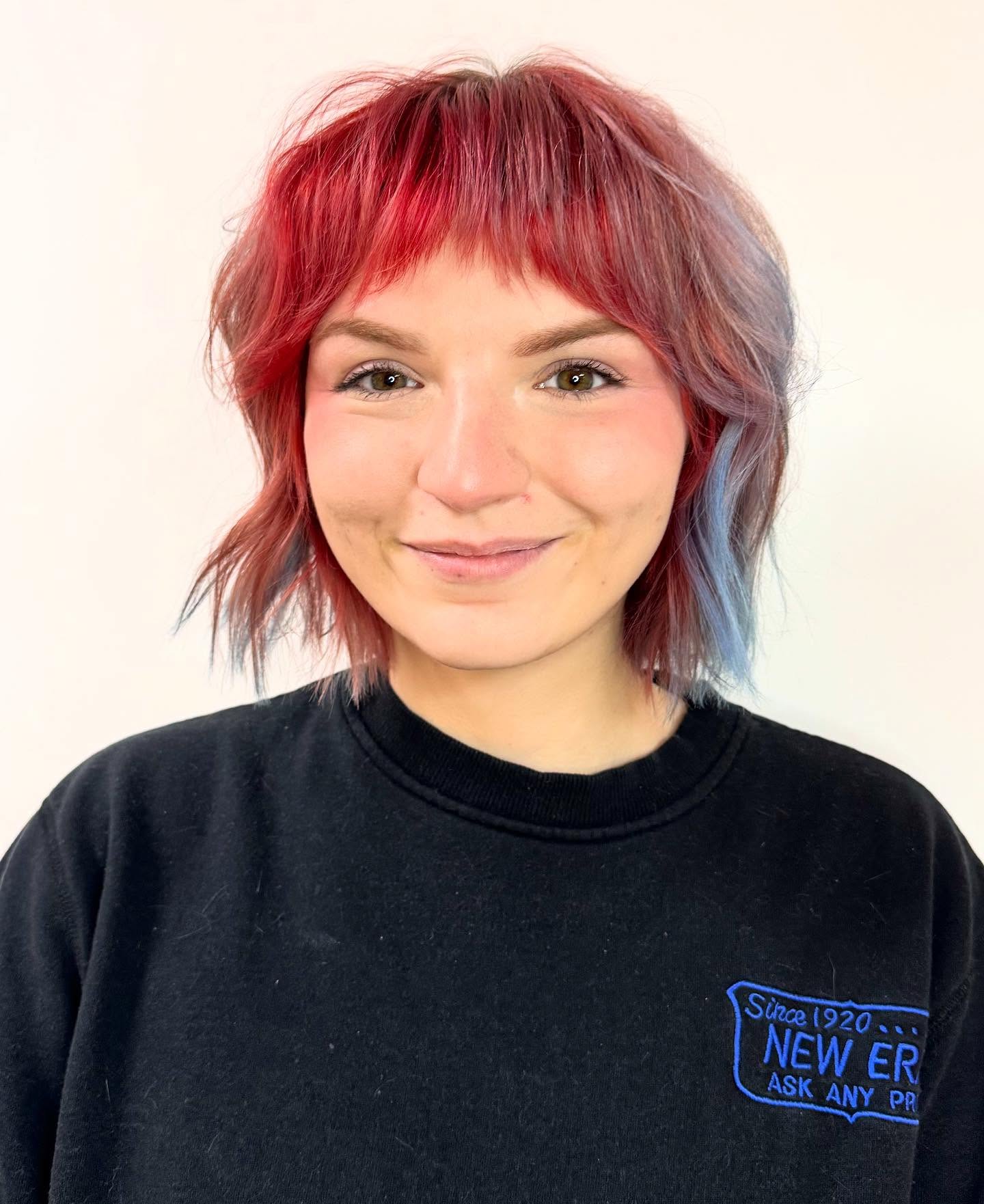
A jaw-length shag is paired with a soft, disconnected micro fringe and a pastel peekaboo accent through the side layers. The overall shape stays choppy and light, with color adding a second layer of texture to the cut. Since the fringe sits separately from the longer pieces, a stylist may want to map out where the color placement should show most clearly.
Copper Jaw Shag
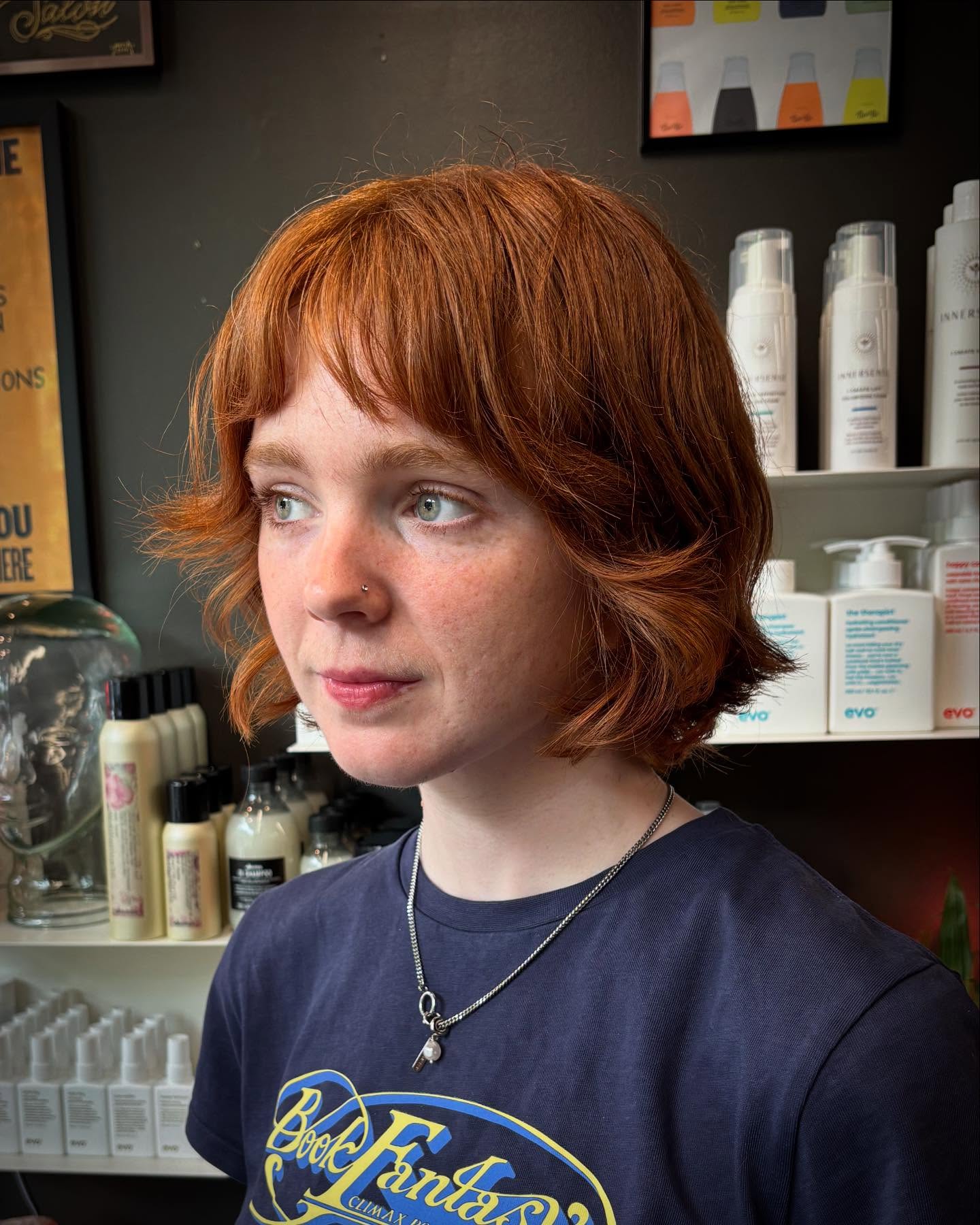
Warm copper color gives this jaw-length shag extra brightness, while wispy fringe pieces soften the front. The layers curve inward and outward in small sections, creating a lightly shaggy frame rather than a blunt outline. Since the fringe is airy, it may be worth discussing how dense the front should look when styled flat versus with movement.
Wavy Rounded Shag

Soft waves and a rounded outline make this short shag feel fuller through the crown and sides. The fringe is short and slightly broken up, while the layers curve around the cheekbones and neck for a compact finish. A good salon question here is how much roundness should remain at the back versus the sides for the overall silhouette.
Curly Collar-Grazing Shag
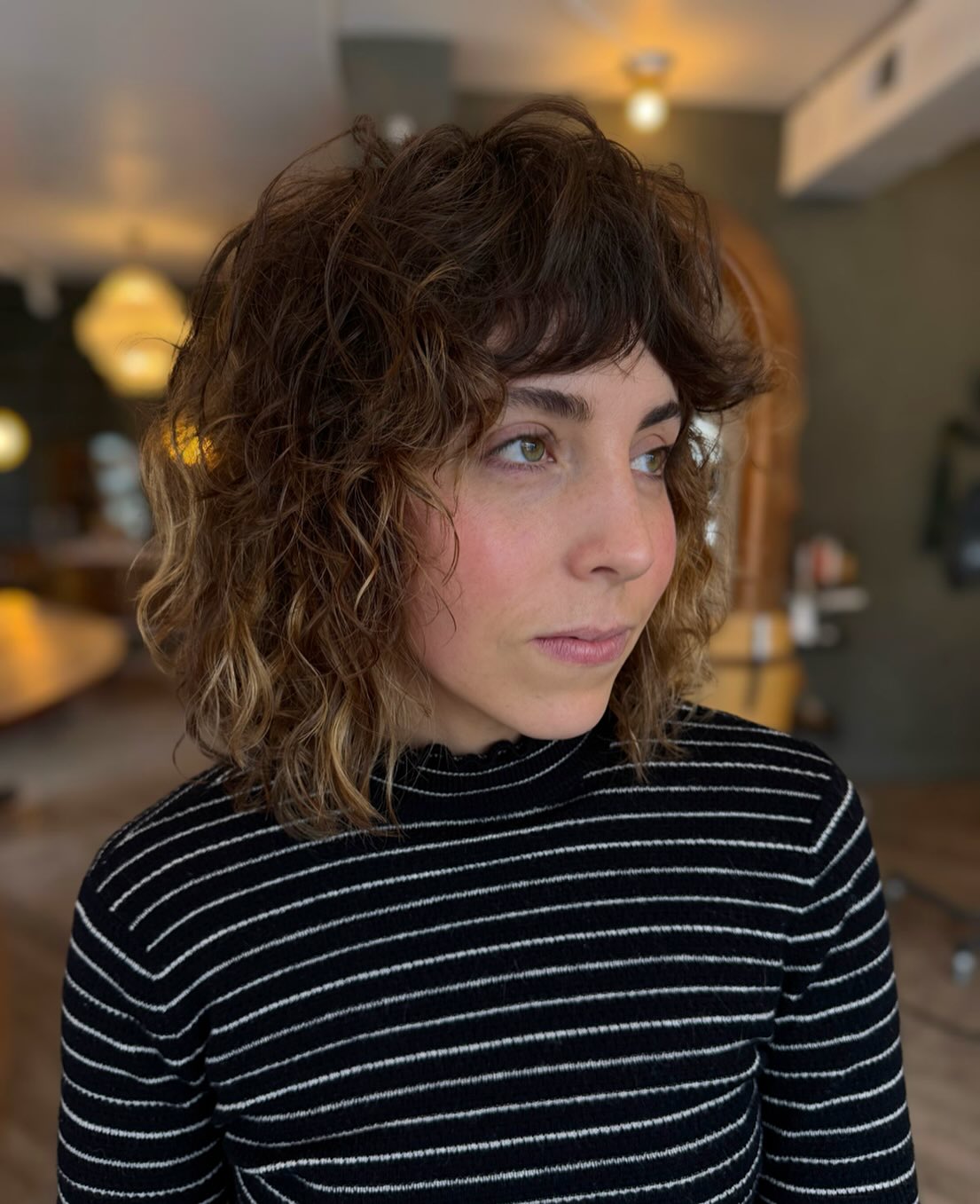
Loose curls build a rounded outline that lands around the collar, with a short fringe sitting close to the brows. The layers create lift through the crown and a softly uneven edge through the sides, while the finish stays full and airy. A stylist could adjust fringe length to keep it from closing in too much around the eyes.
Ear-Length Flipped Shag

This cropped shag sits around the ears and jaw with a blunt micro fringe and flipped ends that kick outward at the neckline. The layers are compact, but the silhouette still feels airy because the texture is loose and piecey. For upkeep, it helps to ask how much weight should be removed near the nape so the flips stay visible.
Piecey Ear-Length Shag
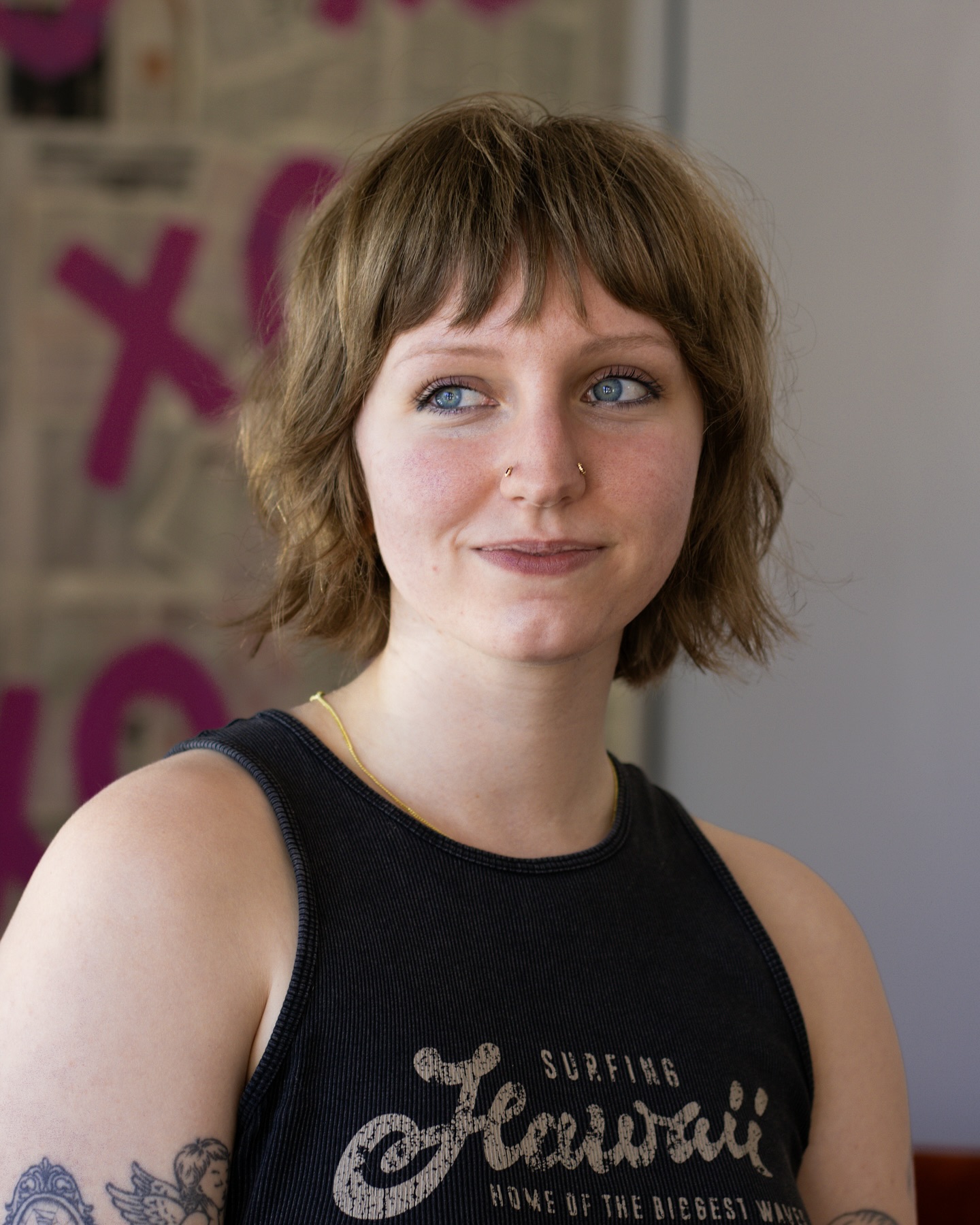
Short waves fall just around the ears with a piecey fringe and razored ends that taper into wisps. The silhouette is compact, but the broken texture keeps it from looking helmet-like. The visible razoring at the tips suggests a cut that benefits from a stylistic conversation about how much separation you want at the fringe and perimeter.
Bright Copper Pixie Shag
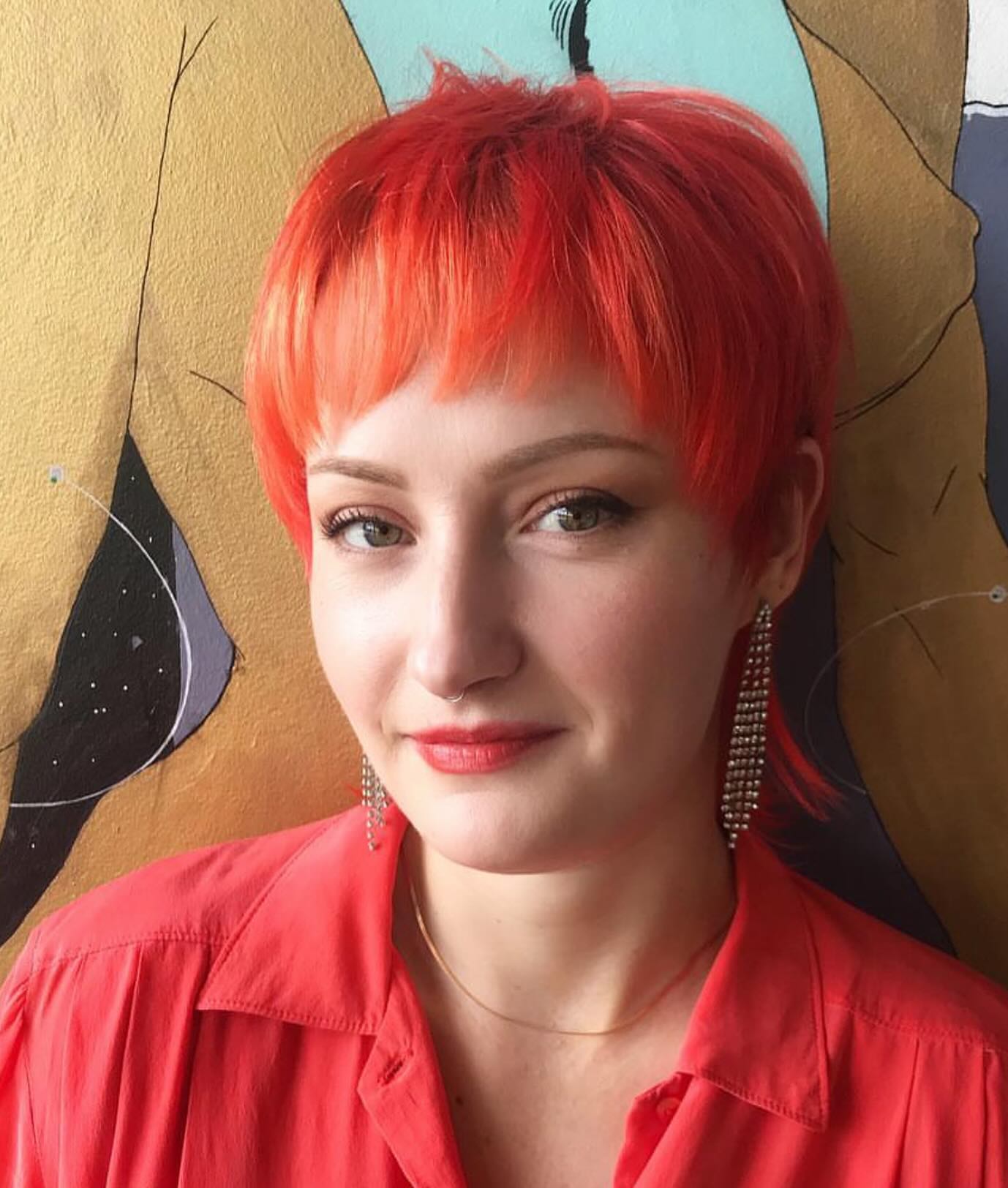
Vivid copper color brings attention to the cropped length, while micro bangs and short layers keep the silhouette close to the head. The top is textured and slightly piecey, and the nape appears tapered rather than blunt. Because the fringe is very short, it helps to discuss how much forehead exposure feels comfortable before the cut is made.
Rounded Short Fringe Shag
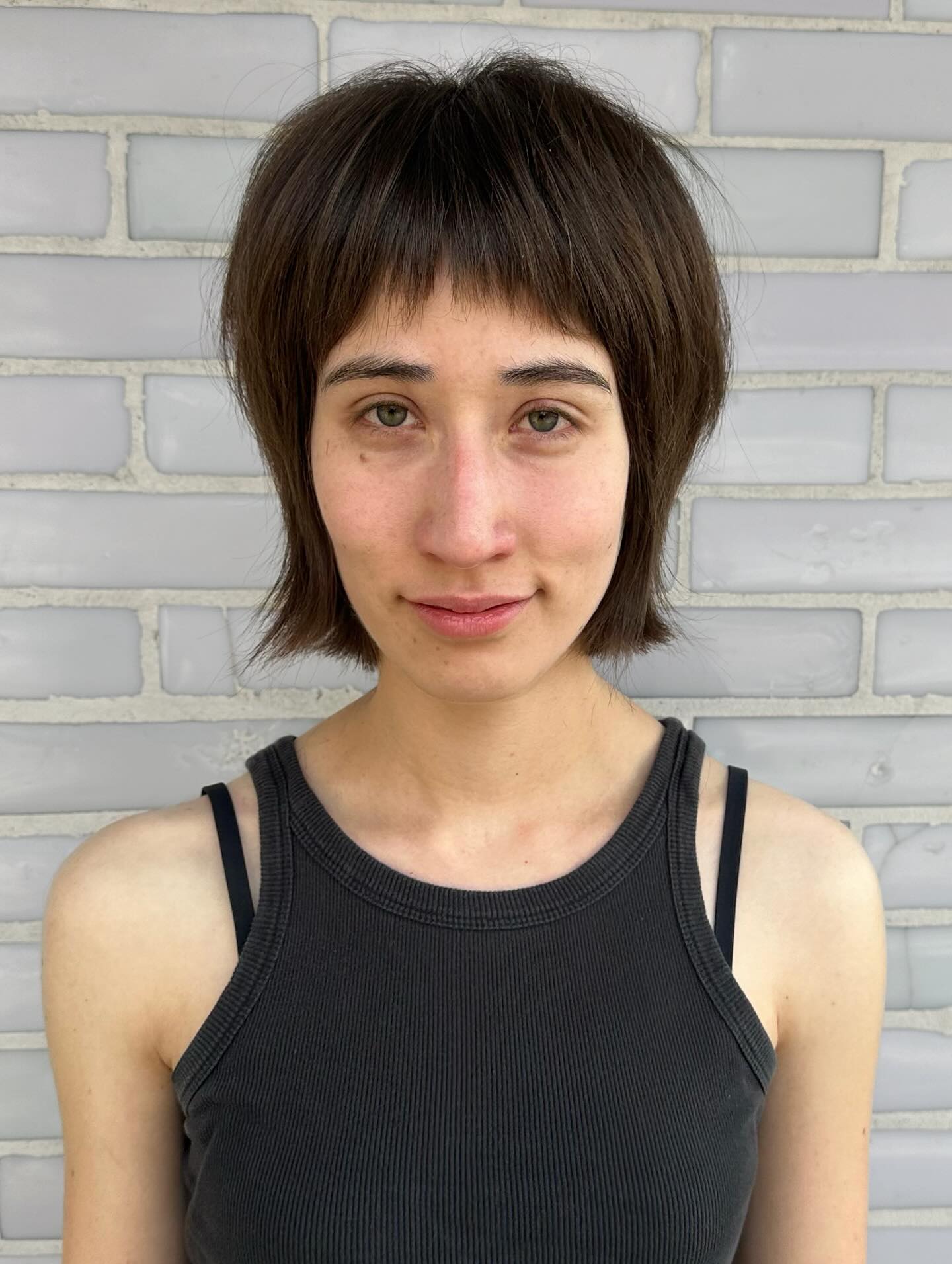
This rounded short shag keeps the fringe disconnected from the rest of the cut, creating a compact shape with a soft, airy top. The sides taper slightly past the cheeks, and the ends sit lightly around the neckline. For a cut this specific, it makes sense to ask how sharply the fringe should separate from the crown layers.
Two-Tone Jaw Shag
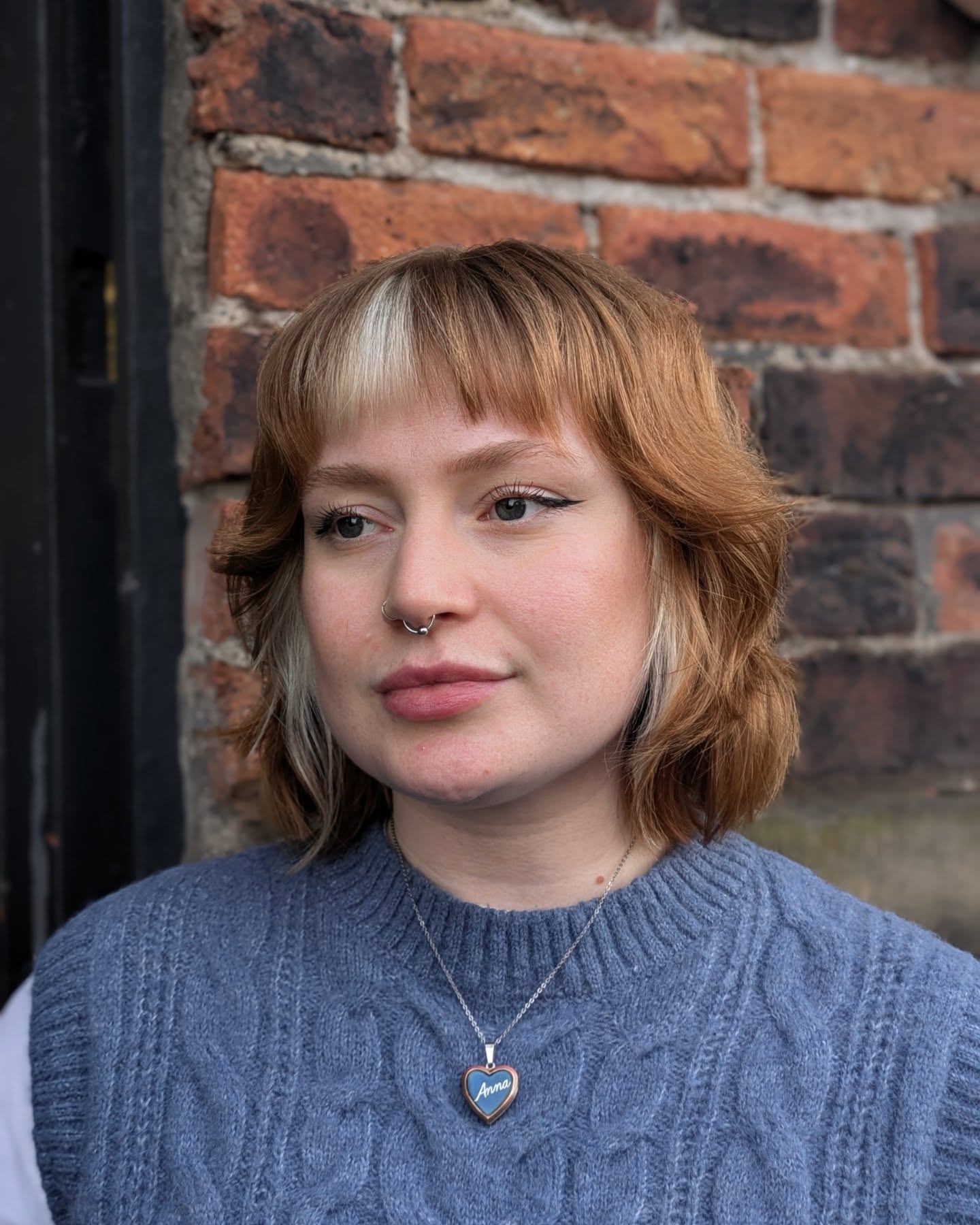
A jaw-length shag combines warm copper lengths with a lighter front section that frames the face in a high-contrast streak. The fringe is short and straight across, while the sides bend softly at the ends. Because the color placement is part of the look, a salon visit should cover how light or bold the front panel should appear against the rest of the cut.
Ash Blonde Soft Shag
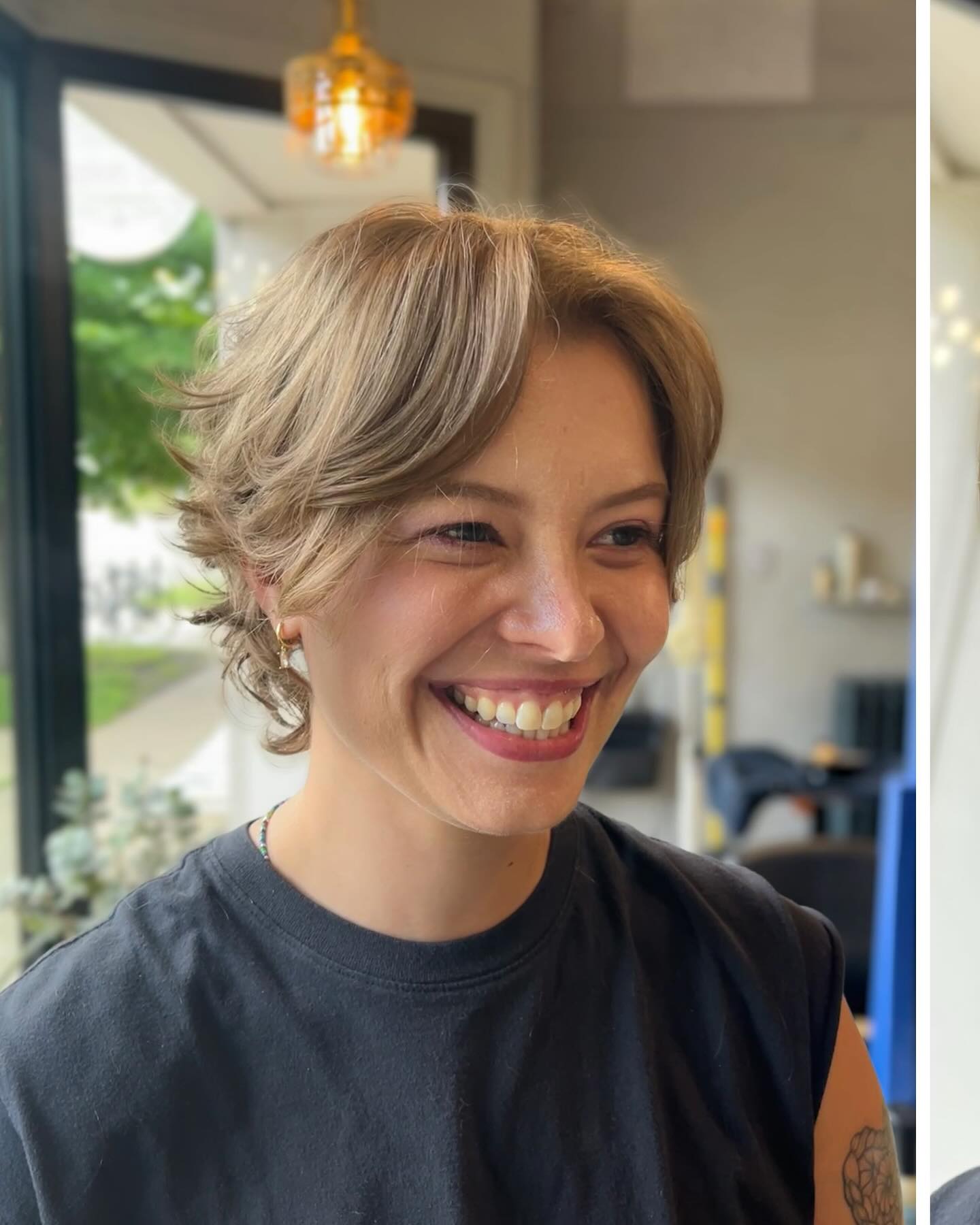
Ash blonde color gives the short shag a cooler finish, while the curtain fringe and layered sides keep the outline relaxed. The top has gentle lift, and the ends skim softly instead of forming a hard line. A stylist can help decide how much face-framing softness to keep through the front versus the side panels.
Tousled Jaw Shag

This jaw-length shag keeps the layers relaxed and airy, with wispy curtain fringe pieces falling away from the center. The ends flick outward softly, which gives the cut a lived-in outline instead of a blunt edge. Since the fringe is loose and mobile, it may be worth discussing how much separation you want near the eyes and temples.
Curly Micro-Layer Shag
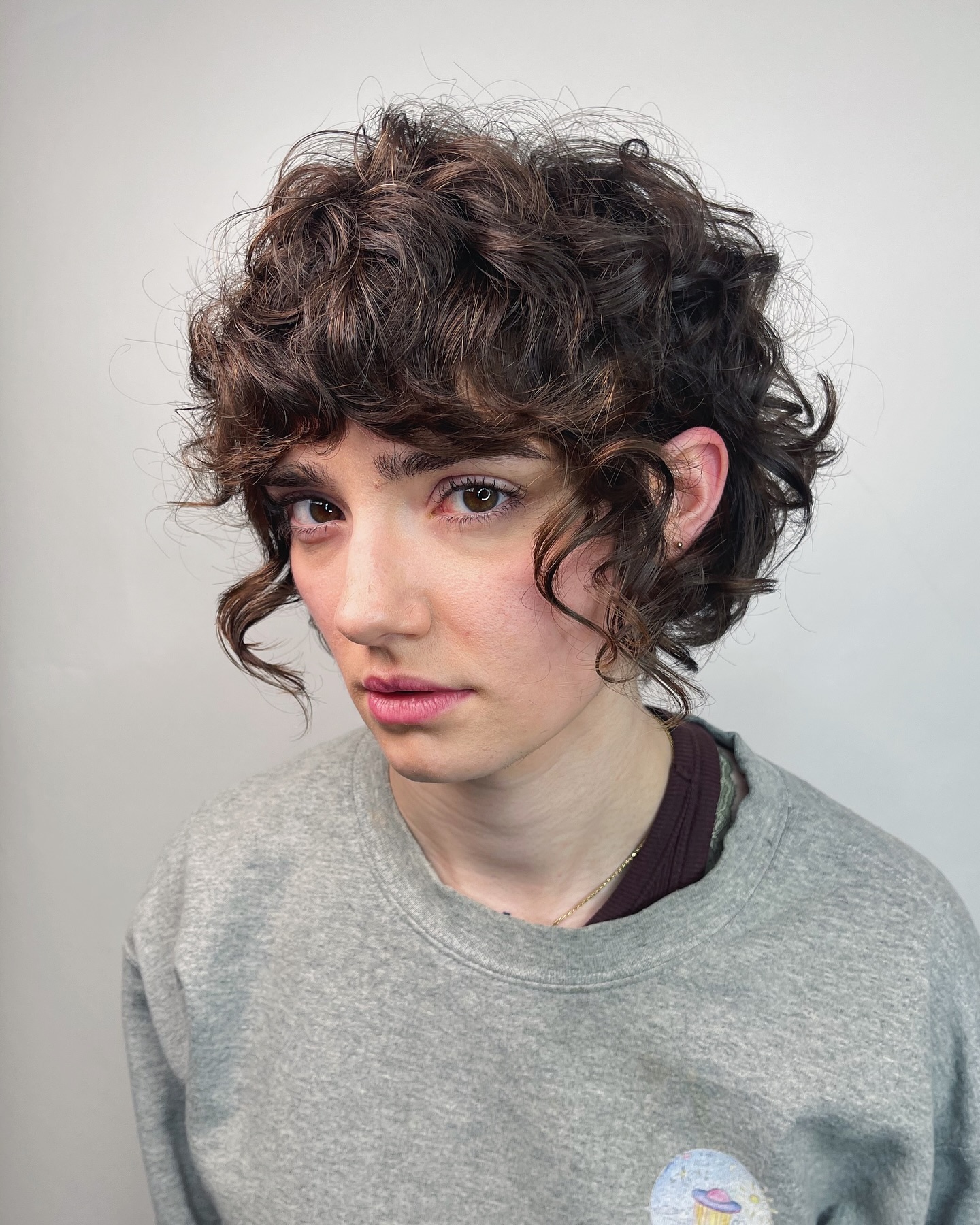
Short curls cluster into a soft, rounded silhouette with wispy face-framing pieces and plenty of lift around the crown. The fringe is very short and lightly separated, which keeps the shape open instead of heavy. Because the ends are springy and irregular, a stylist may want to balance the top layers against the front pieces so the outline stays even.