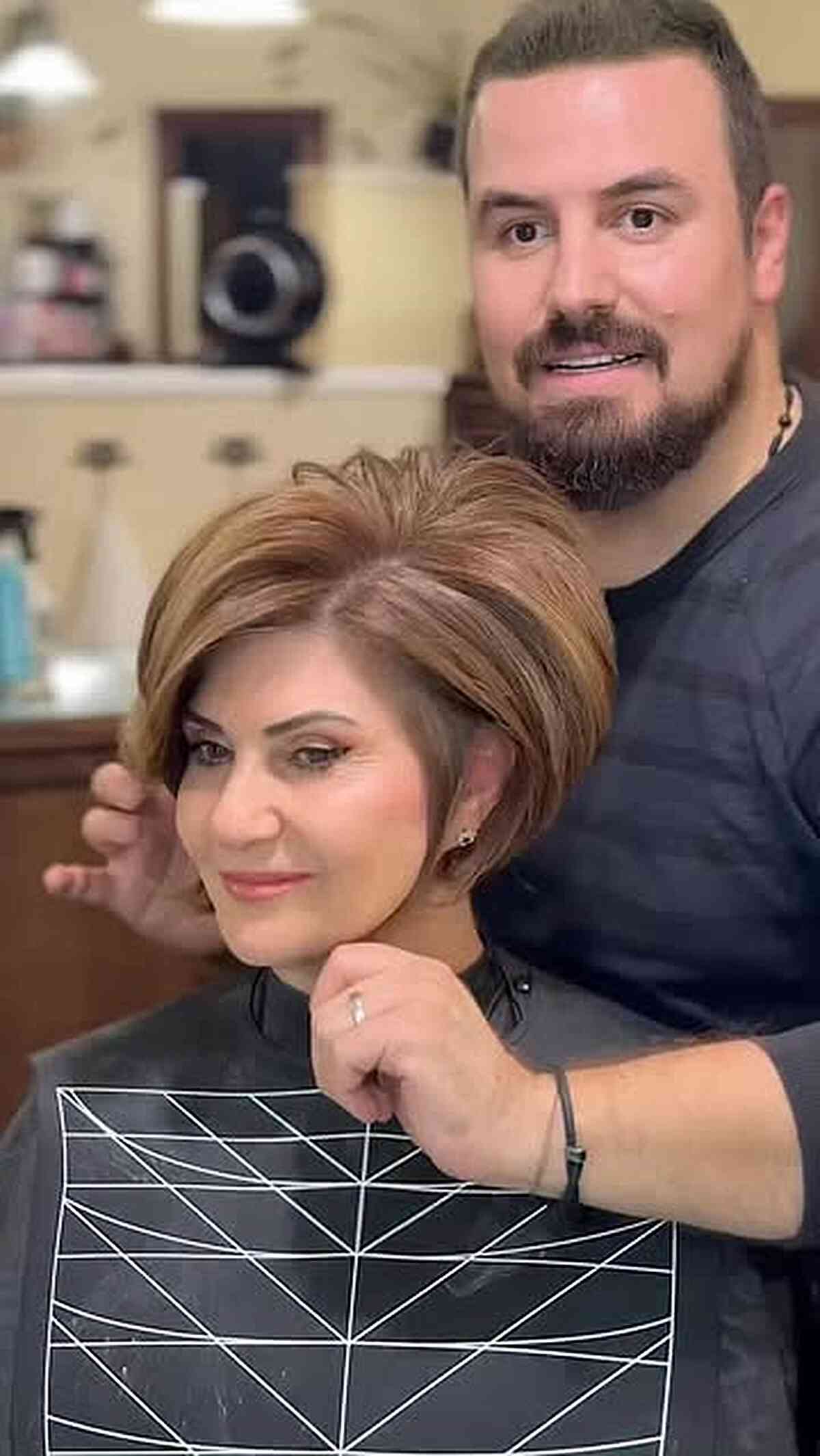
Short waves and fringe work best when the cut and finish support the hair’s natural movement rather than fight it. In these looks, the bangs range from light and piecey to fuller and more graphic, while the lengths sit anywhere from jaw-skimming to neck-grazing. The result is a useful mix of shapes: polished bends, tousled texture, and softly rounded outlines. Each style offers a different way to frame the face without relying on one fixed formula, making the photos especially helpful for discussing fringe density, length, and layering with a stylist.
Airy Waved Curtain Bob

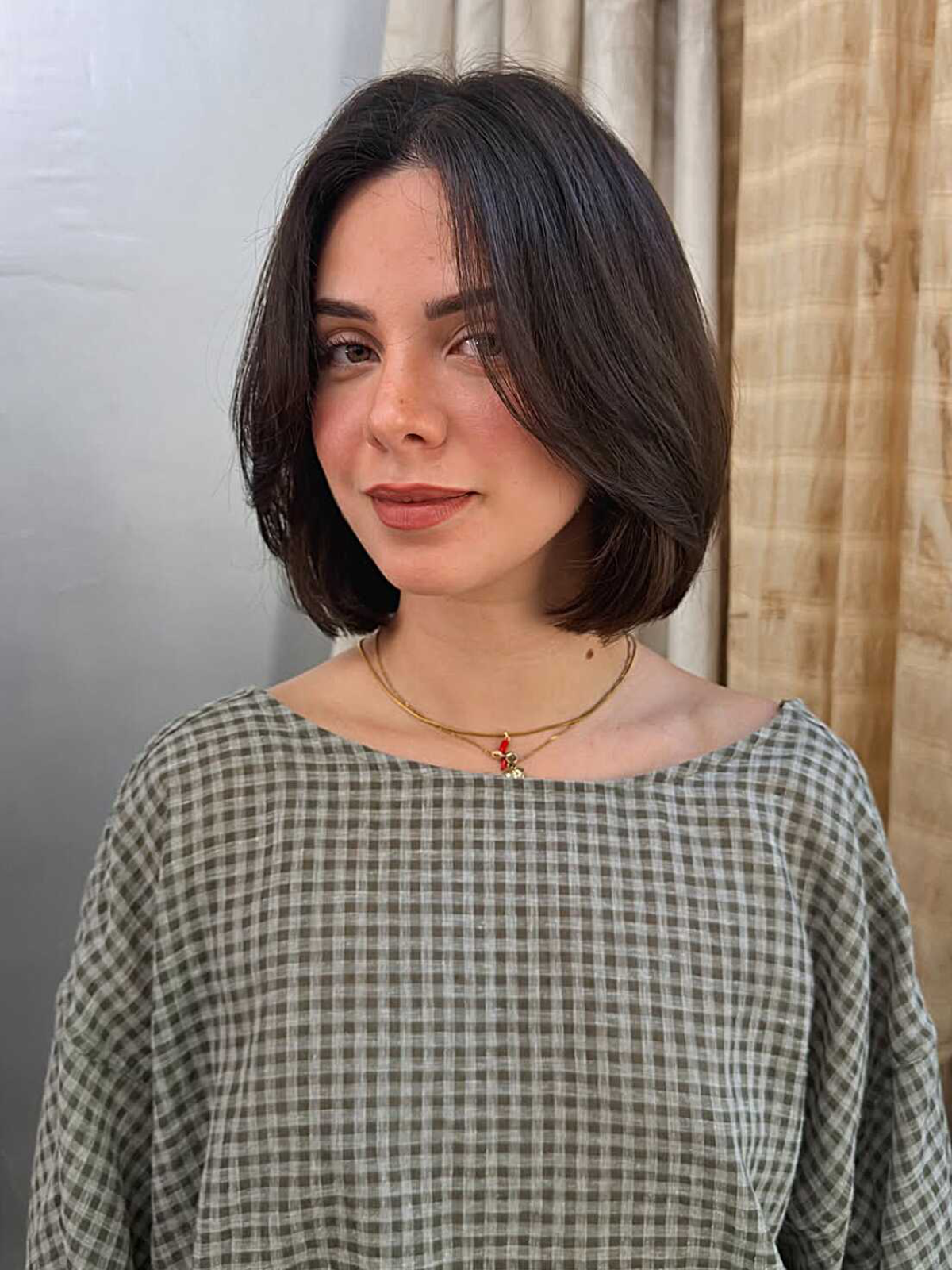
A chin-length bobsits with loose bends and a softly rounded outline, while the curtain fringe parts at the center and opens around the eyes. The ends flip slightly outward, giving the cut a light, polished movement instead of a heavy edge. For a salon visit, ask how the fringe will fall when dry so the parting stays balanced.
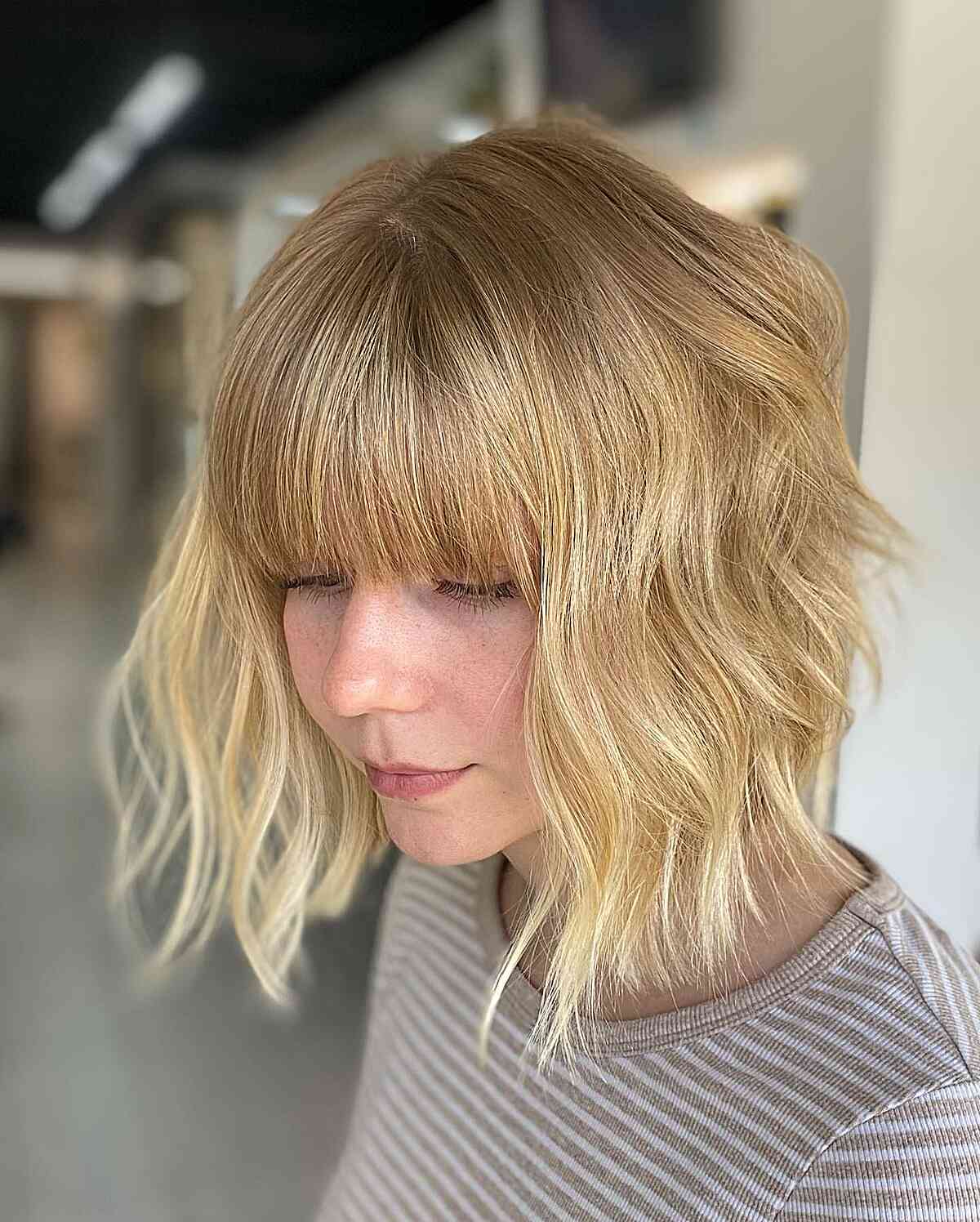
Feathered Blonde Fringe Waves

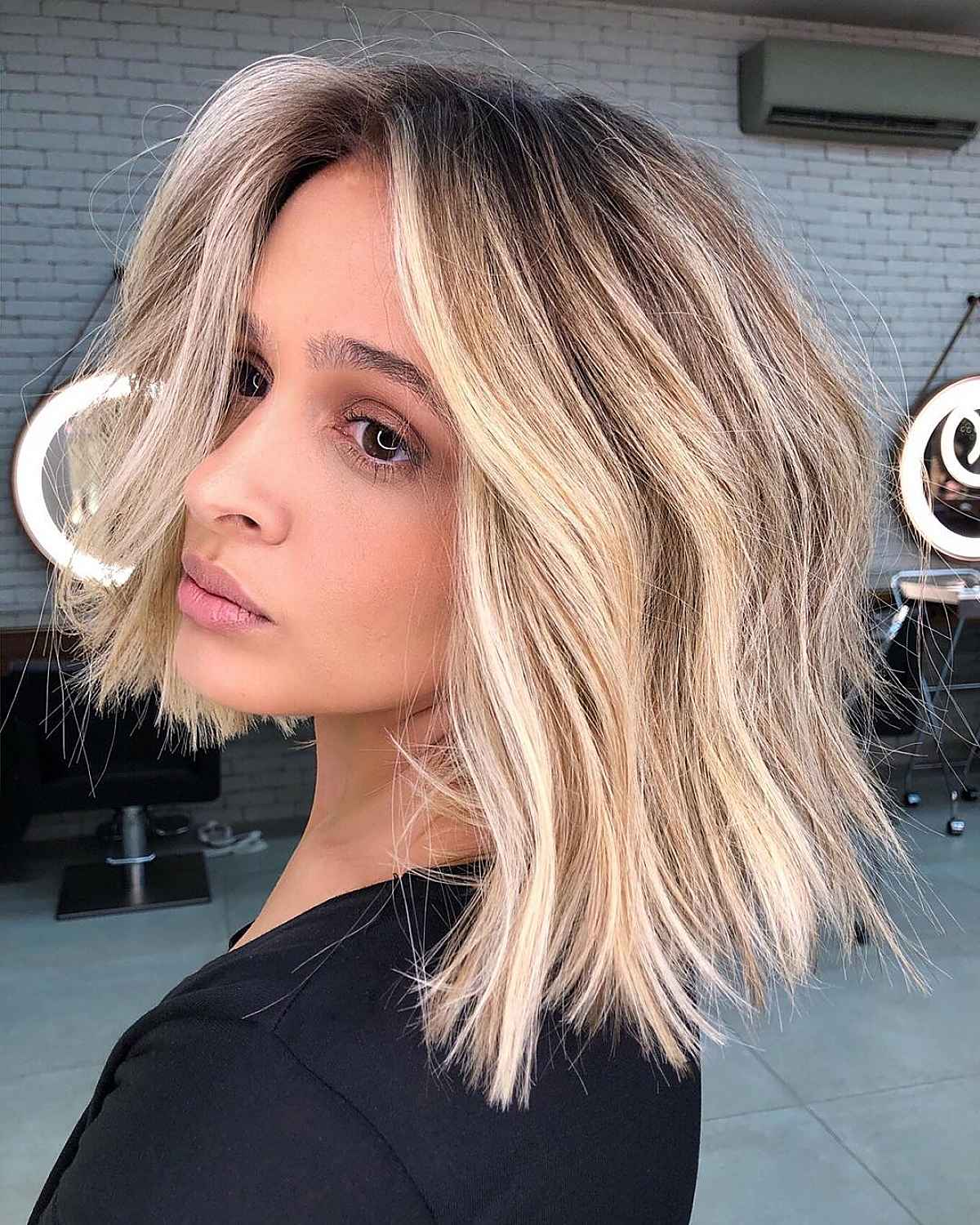
Shoulder-skimming waves frame the face with a full, softly thinned fringe that drops straight across the forehead. The finish is smooth at the roots and looser through the lengths, giving the blonde color a dimensional, airy look. Because the bangs are the focal point, it helps to discuss how much weight should stay in the fringe for everyday styling.
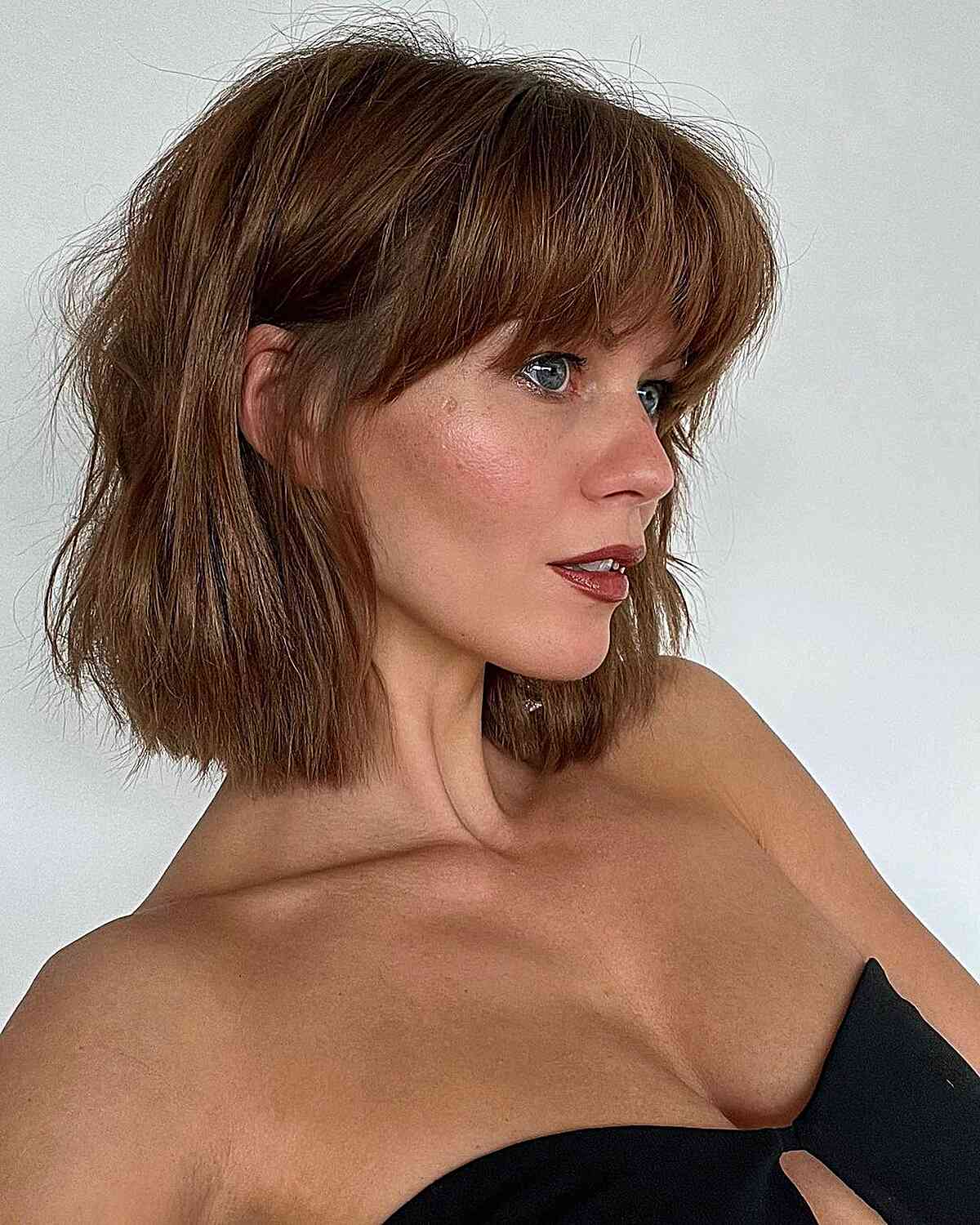
Textured A-Line Fringe Bob
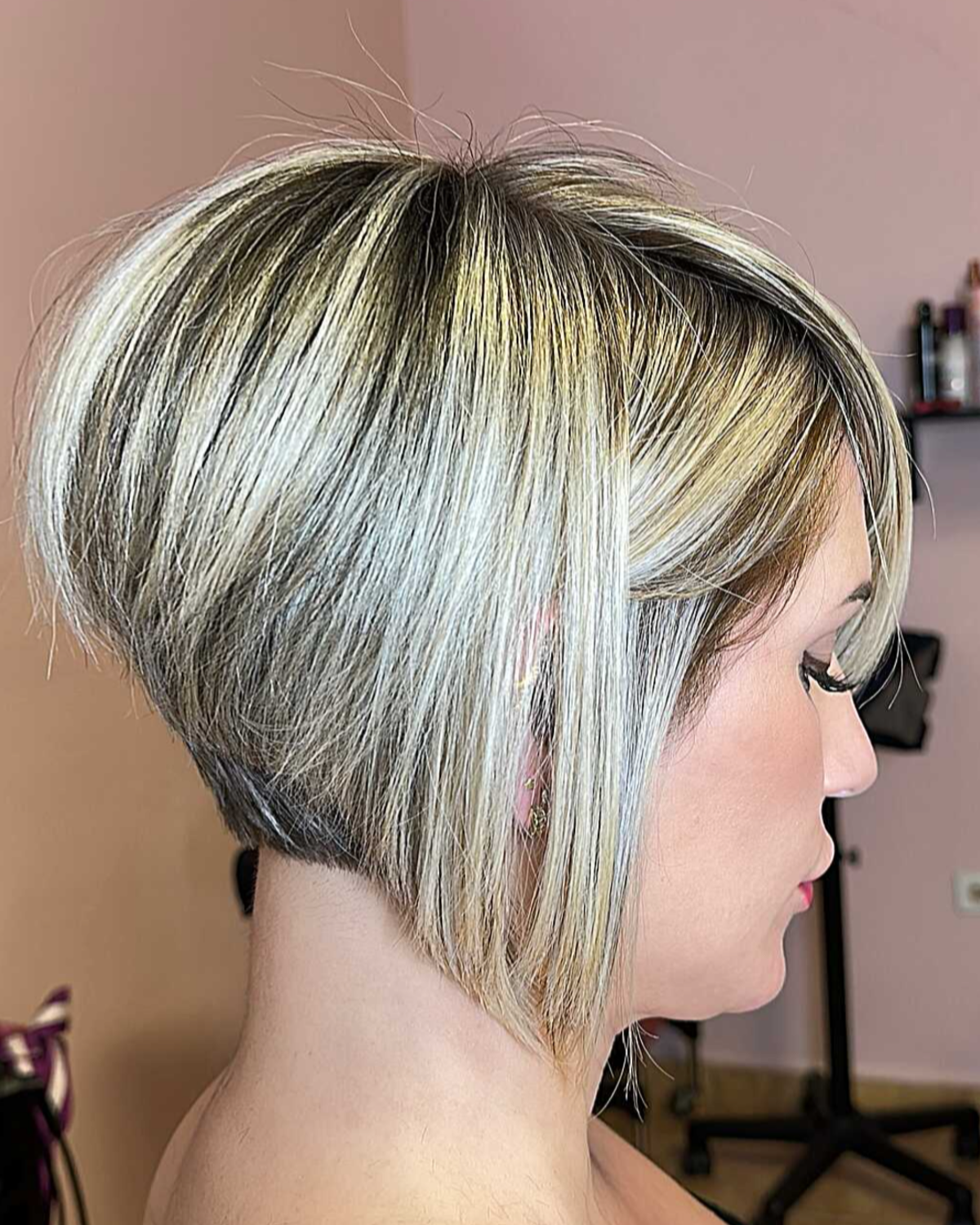
This short bob angles slightly longer toward the front, and the ends are left soft rather than blunt. Full bangs skim the brows, while the wavy lengths create a tousled, airy shape that keeps the silhouette from feeling rigid. The visible texture suggests a cut that benefits from a clear conversation about how the front pieces should sit when air-dried.
Neck-Length Arched Bob
A neck-length bob curves under the jaw with loose, uneven waves and a narrow arched fringe that opens slightly in the center. The shape feels relaxed rather than sculpted, and the brown color adds depth along the ends. If you want this effect, ask for the bangs to be customized to the brow line so the arch lands where you prefer.
Tousled Micro Fringe Crop
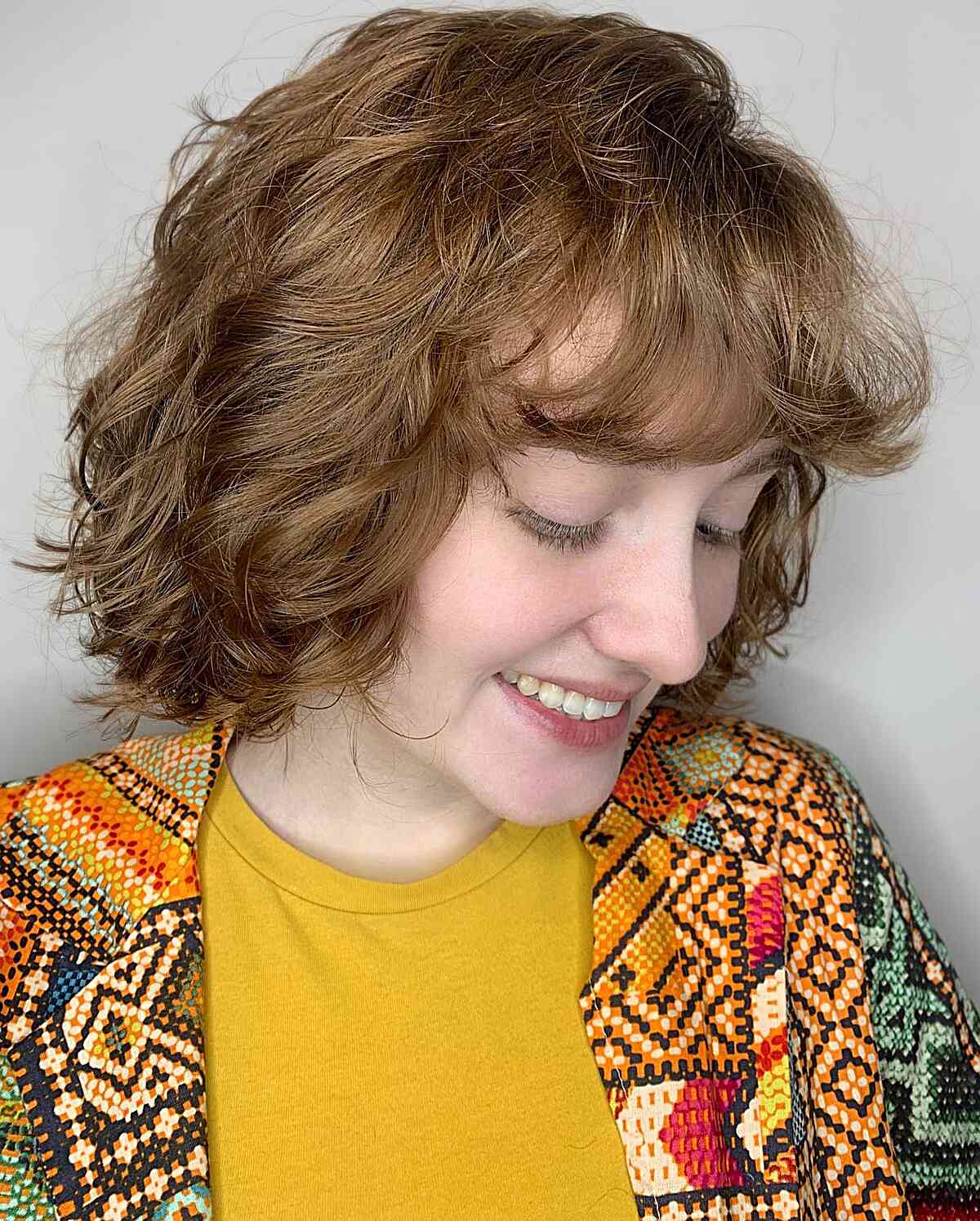
Short layers create a rounded, tousled shape with visible movement through the sides and crown. The fringe is short and wispy, sitting well above the brows and leaving the eyes open, while the texture reads deliberately undone. A stylist can help decide whether the fringe should stay light at the center or be softened more at the temples for easier blending.
Shaggy Fringe Layered Bob
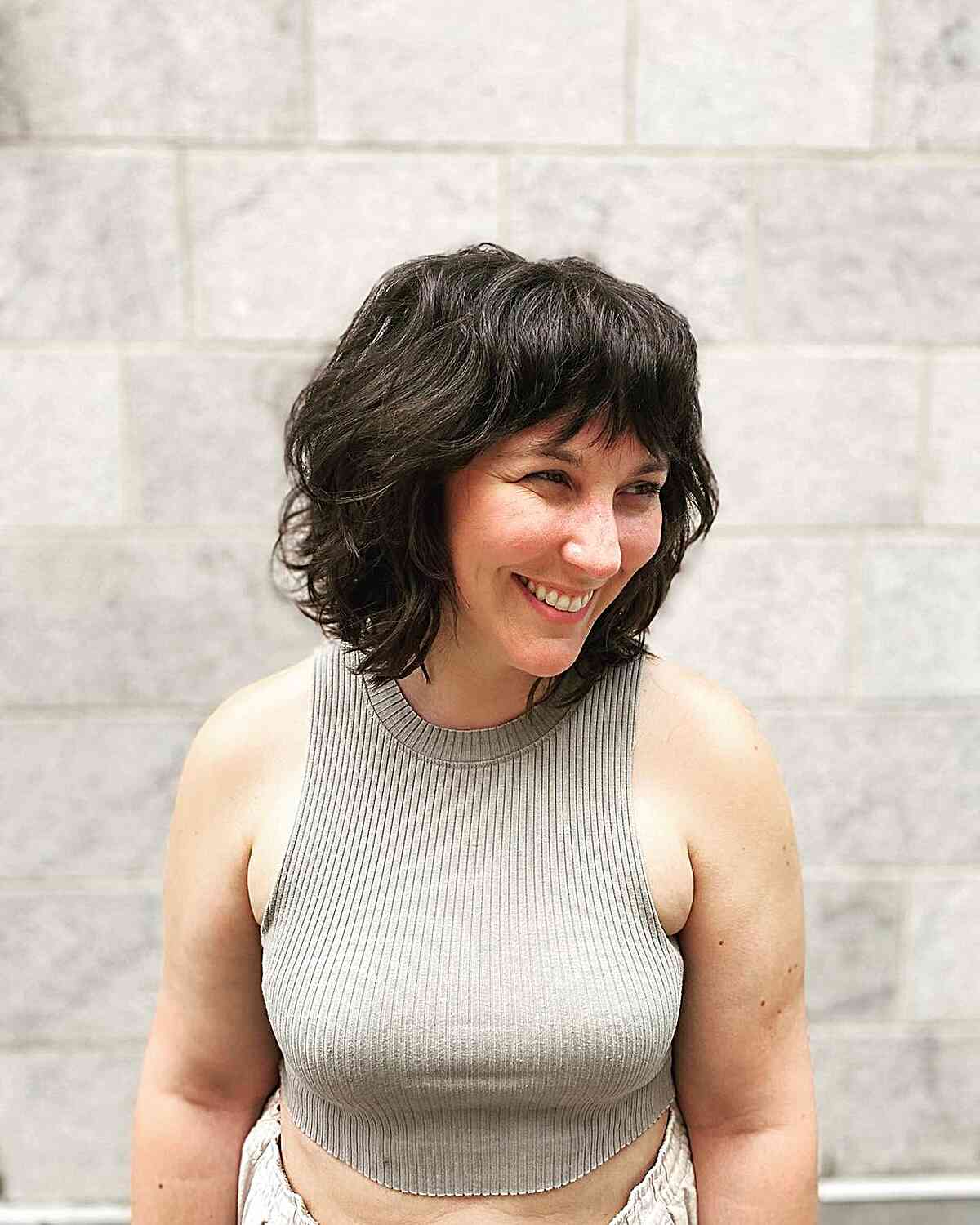
This neck-grazing bob is built from loose, broken waves and airy layers that keep the outline from looking heavy. The fringe is narrow and lightly textured, blending into the sides instead of forming one solid line. The visible shape suggests a cut that depends on how much movement you want around the crown, so it is worth discussing layering near the cheekbones.
Short Wavy Bowl Fringe
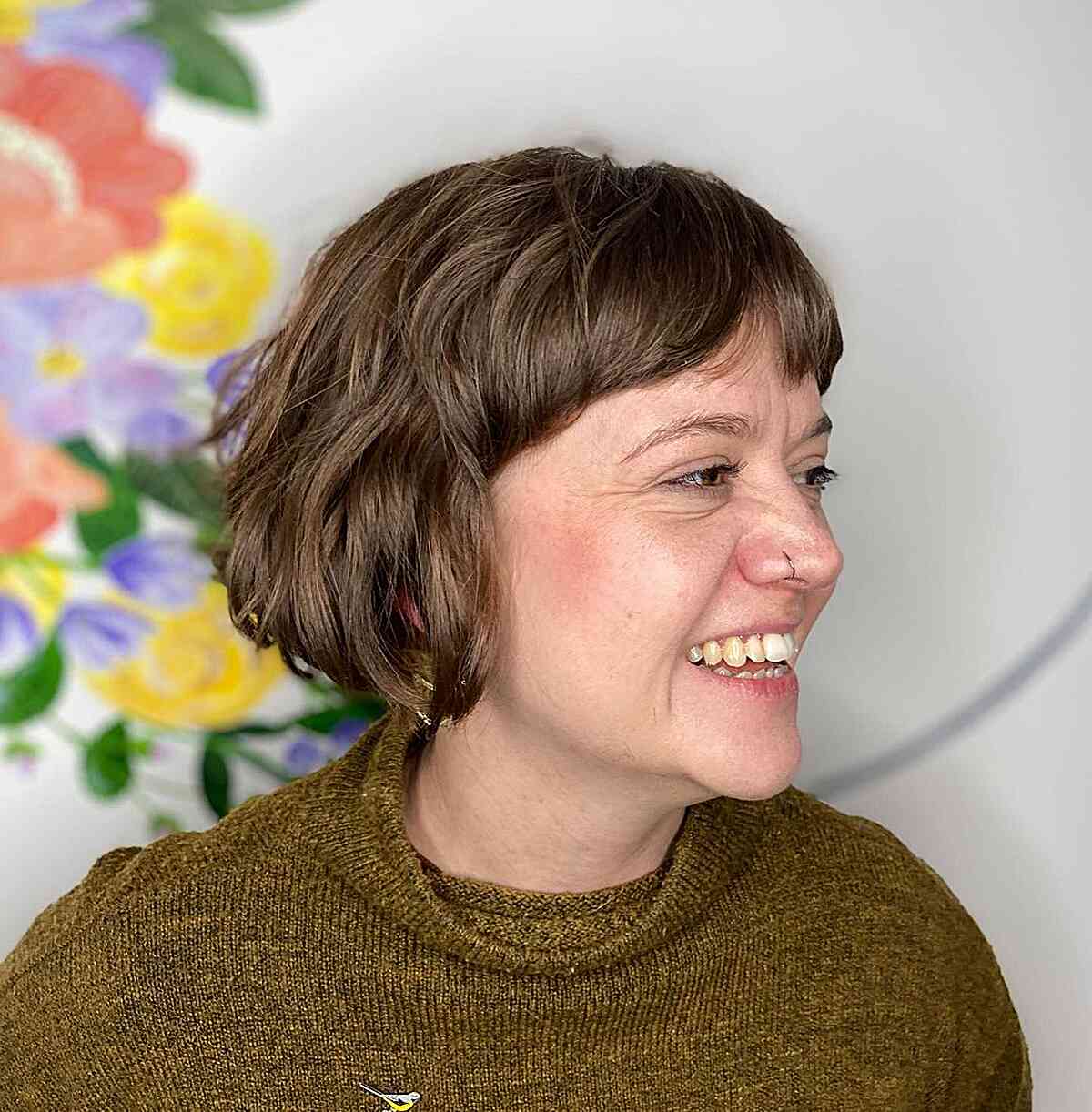
Rounded waves sit close to the head with a compact shape, and the short fringe is cut straight across the forehead with a slightly softened edge. The profile stays neat at the nape while the top retains a little lift, creating a tidy but casual finish. When talking with a stylist, it helps to clarify how much width you want through the sides and fringe.
Chin-Length Side-Swept Waves

A chin-length cut curves under at the ends with soft, brushed-out waves and a side-swept fringe that falls across the forehead. The blonde color shows lighter pieces through the front, which helps the wave pattern stand out against the darker root area. Because the fringe is directional, it is worth asking how the part should sit to keep the front from collapsing flat.
Soft Shaggy Bob Waves

Loose, shoulder-grazing waves sit around a softly layered bob shape, with airy fringe pieces that land just above the brows. The ends look feathered and lightweight, and the cool blonde tones add contrast around the front sections. If you like this shape, ask your stylist how much internal layering is needed to keep the wave pattern visible without creating bulk.
Piecey Wavy Mullet
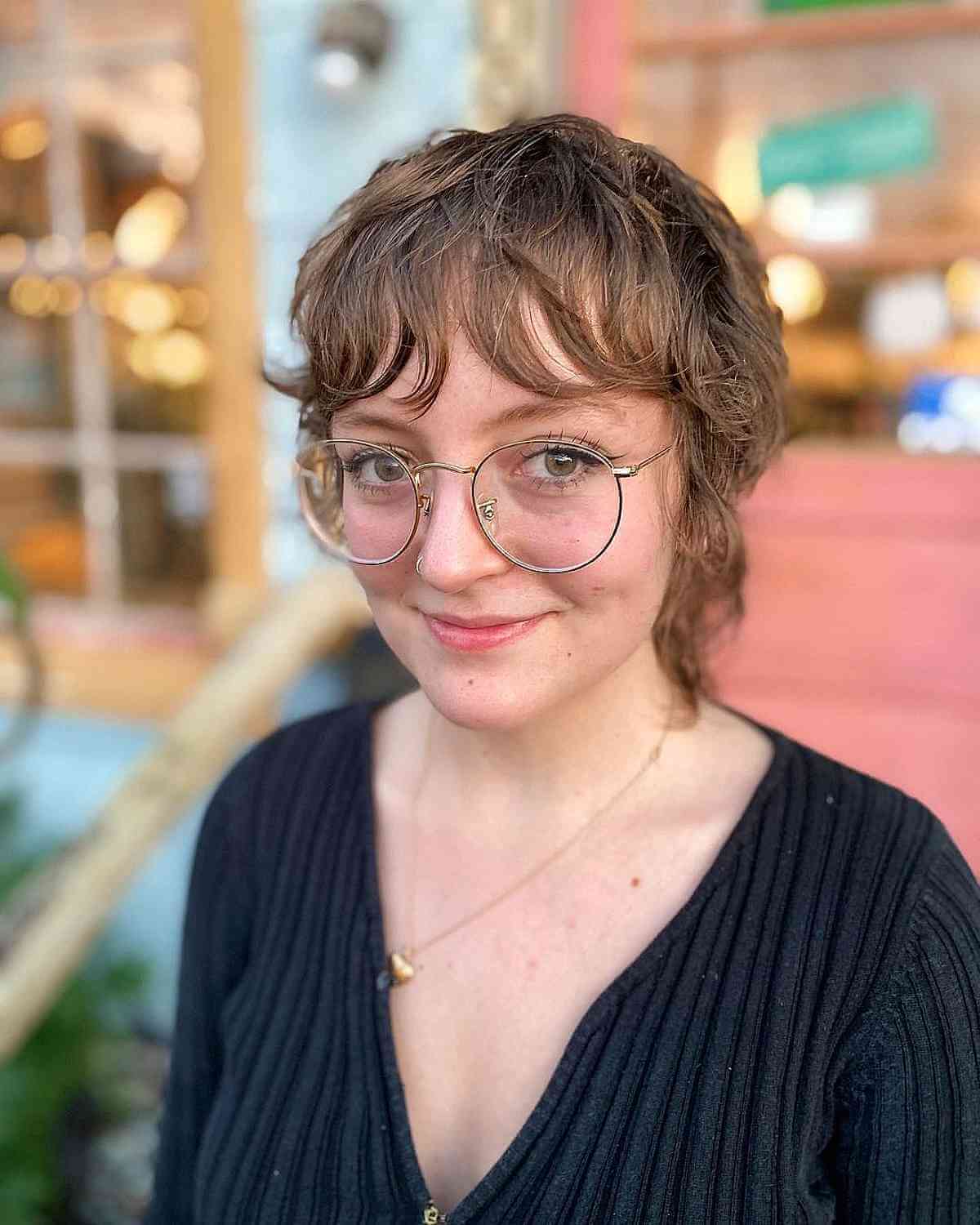
Shorter layers sit through the crown and sides, then taper into a longer nape for a compact mullet shape with obvious texture. The fringe falls in separated pieces across the forehead, and the soft wave adds movement instead of sharp edges. A stylist can help map out where the length should stay longest if you want the back to remain visible but not too heavy.
Wispy Face-Framing Bob
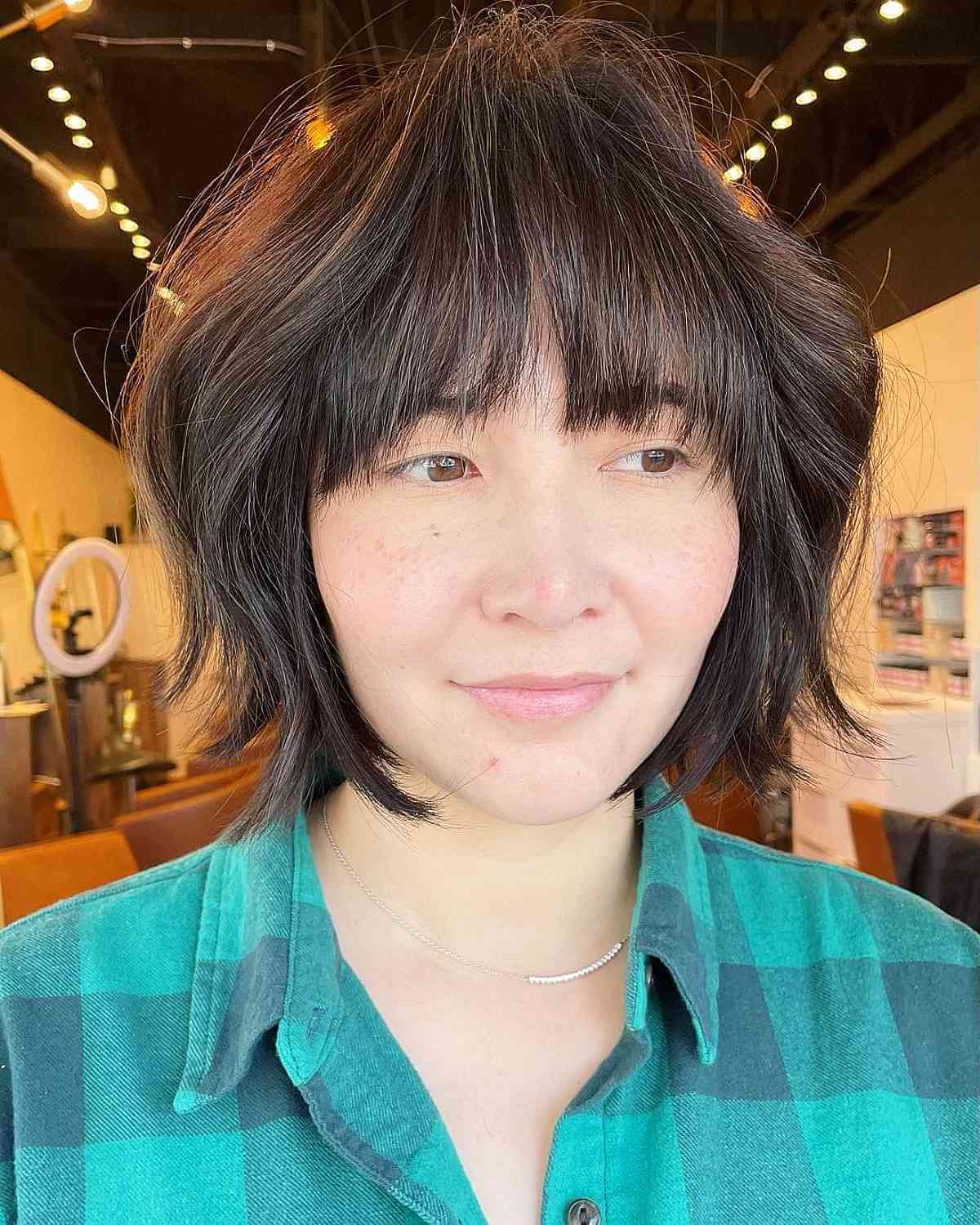
A short bob sits just below the cheekbones with light waves through the ends and wispy fringe that breaks into thin sections at the center. The face-framing pieces curve softly inward, while the top layers keep the silhouette from looking too square. If you bring this photo to the salon, ask how the fringe and front layers should connect when tucked behind the ears.