Fringe-heavy cuts can change the feel of a short style without relying on a severe outline. In this set, the focus stays on what is visible: how the front falls, how the sides are tapered or faded, where texture builds movement, and how each cut frames the head. Some looks keep the fringe short and choppy, while others let it blend into longer layers or a mullet shape. The practical notes are meant for a stylist conversation, especially when the front length or side taper needs to be balanced carefully.
Curly Fringe Fade
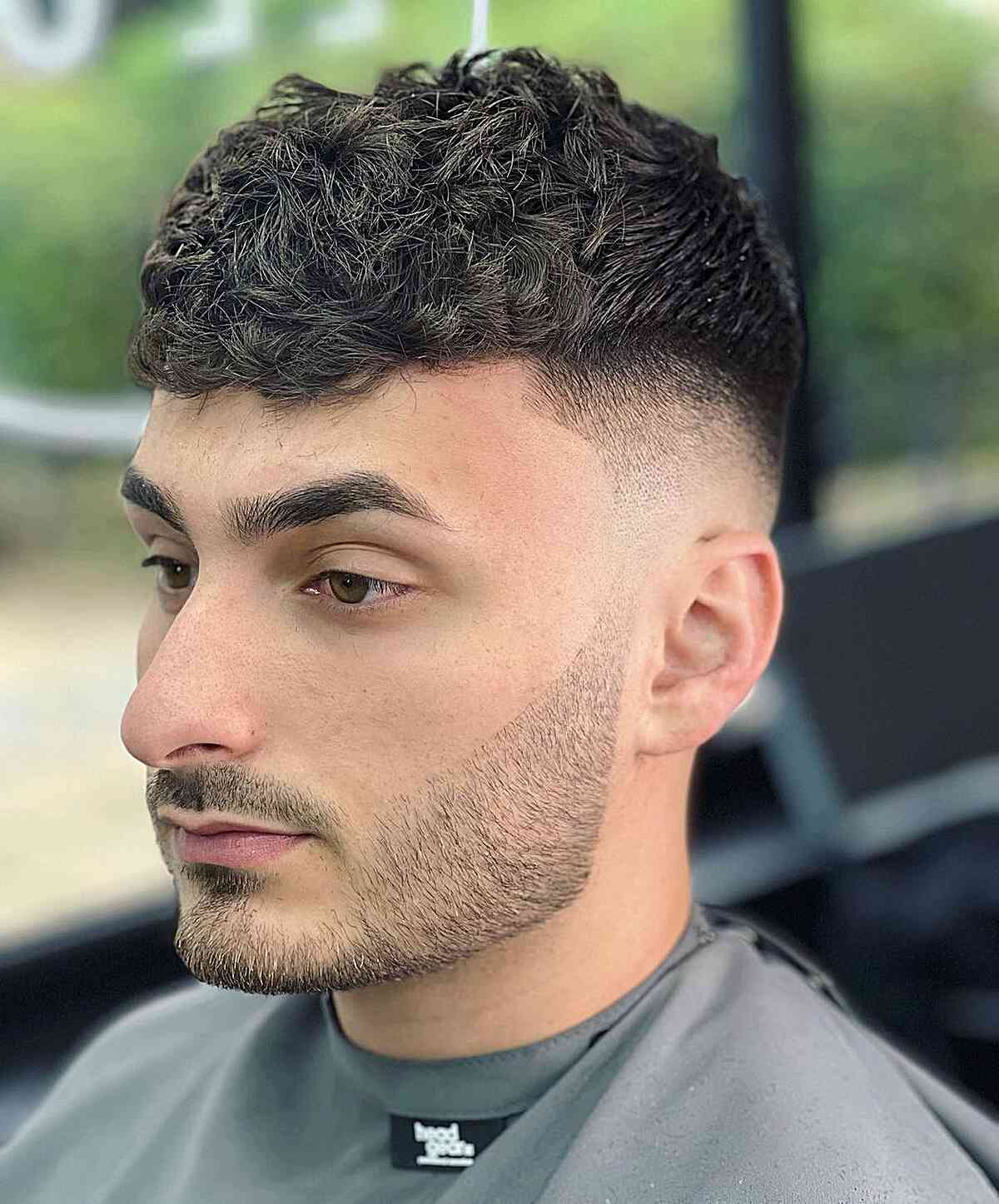
Dense curls sit through the top and fall naturally into a short, rounded fringe that lands just above the brows. The sides are clipped very close, letting the textured front stand out against the neat outline. The top keeps enough length for visible curl pattern and separation rather than a uniform helmet shape. Bring photos showing how full or tight you want the fringe to sit at the center.
Bleached Textured Crop
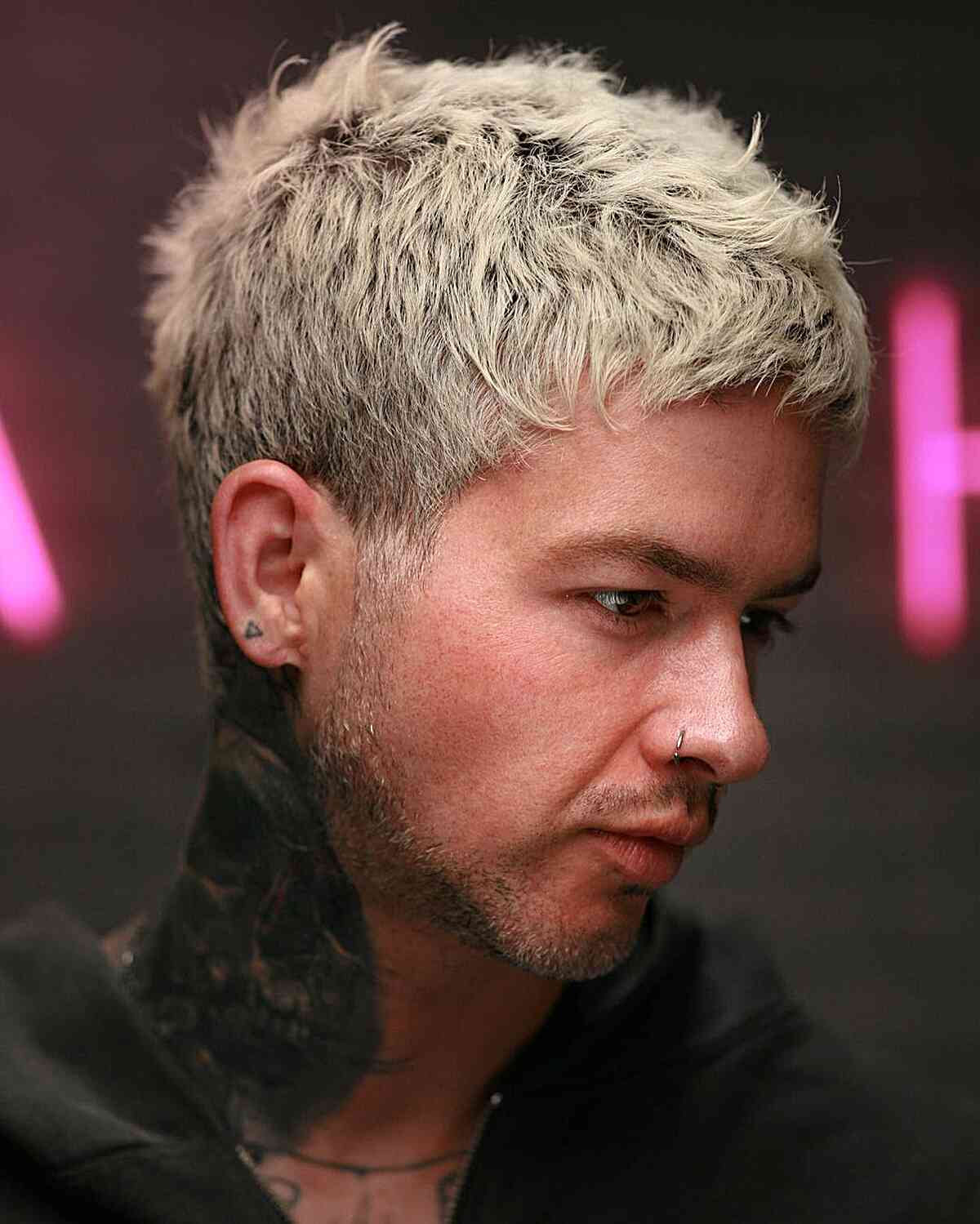
A short top is cut into irregular, forward-facing pieces, with pale blonde color adding contrast to the choppy finish. The fringe sits high enough to expose some forehead, while the sides are clipped tighter for a compact profile. The texture is visible in separated ends rather than a smooth surface. If you plan on lightening the hair, ask how the cut should be shaped to keep the front from collapsing flat.
Tousled Crop Fade
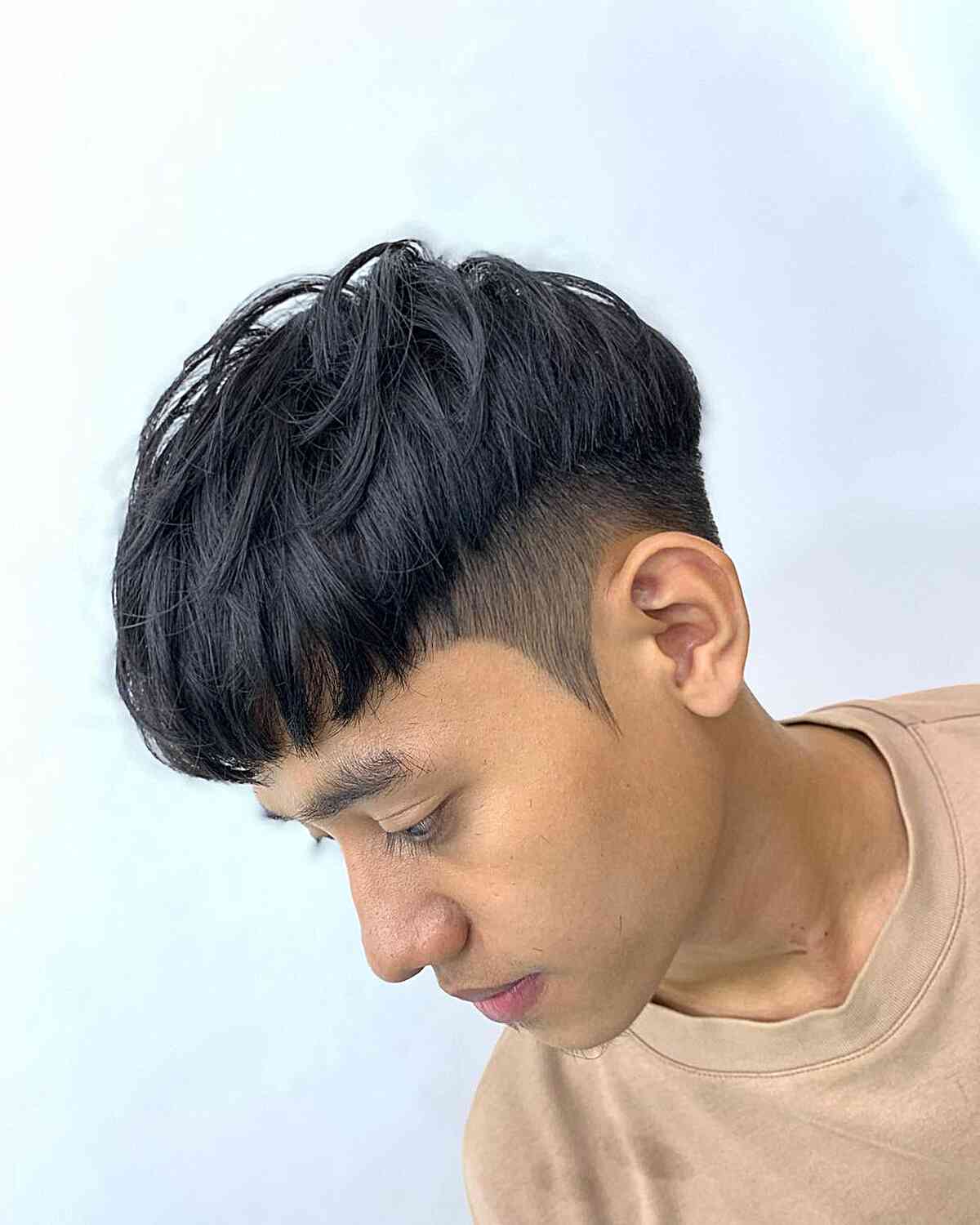
Short, broken-up strands sweep forward across the forehead while the top carries a loose, airy texture. The sides sit tight with a soft fade that keeps the shape compact and clean around the ears and neckline. A small amount of length remains through the crown, giving the front more lift than weight. Ask your stylist how much fringe length you want to keep before the taper gets too narrow.
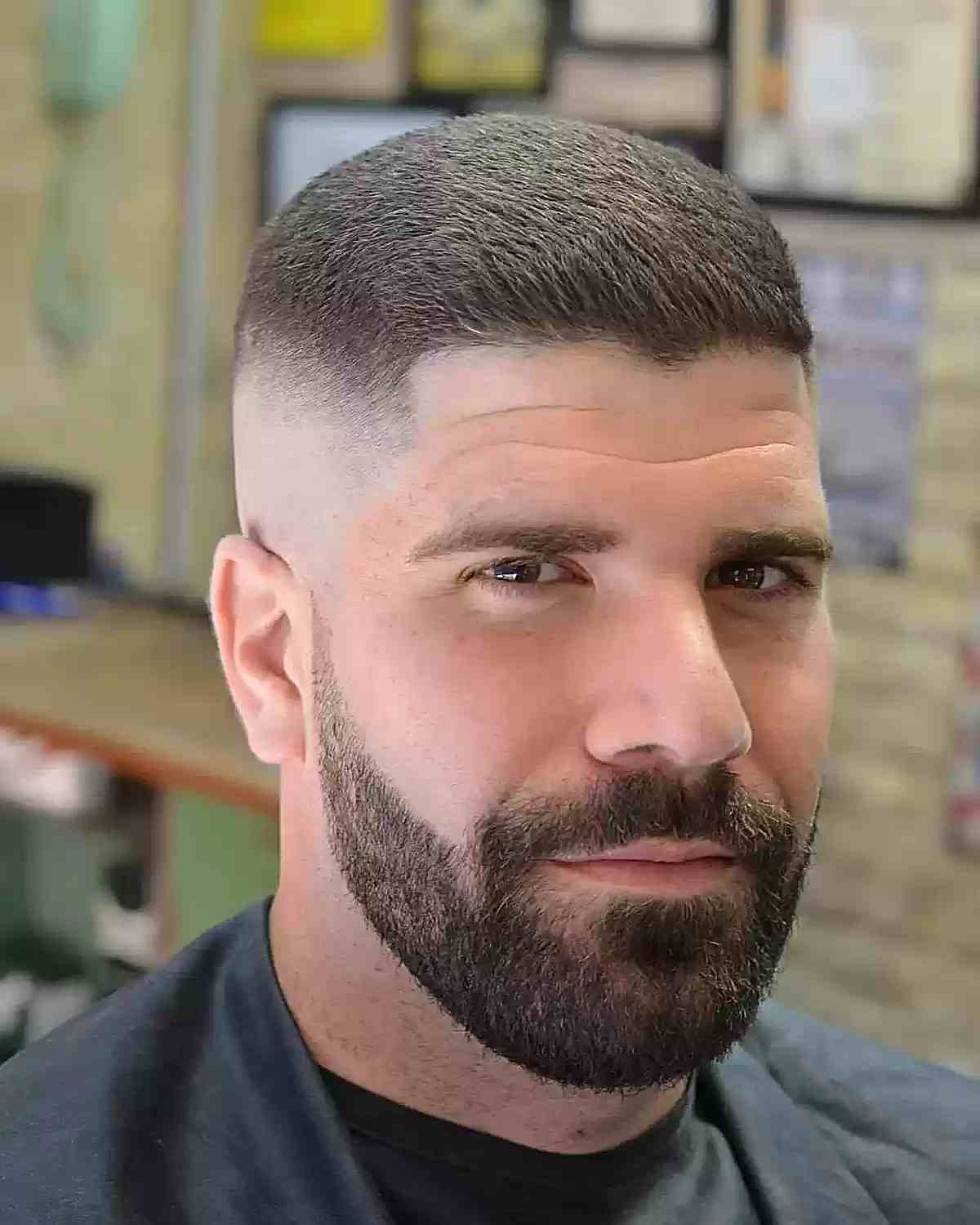
Micro Fringe Fade
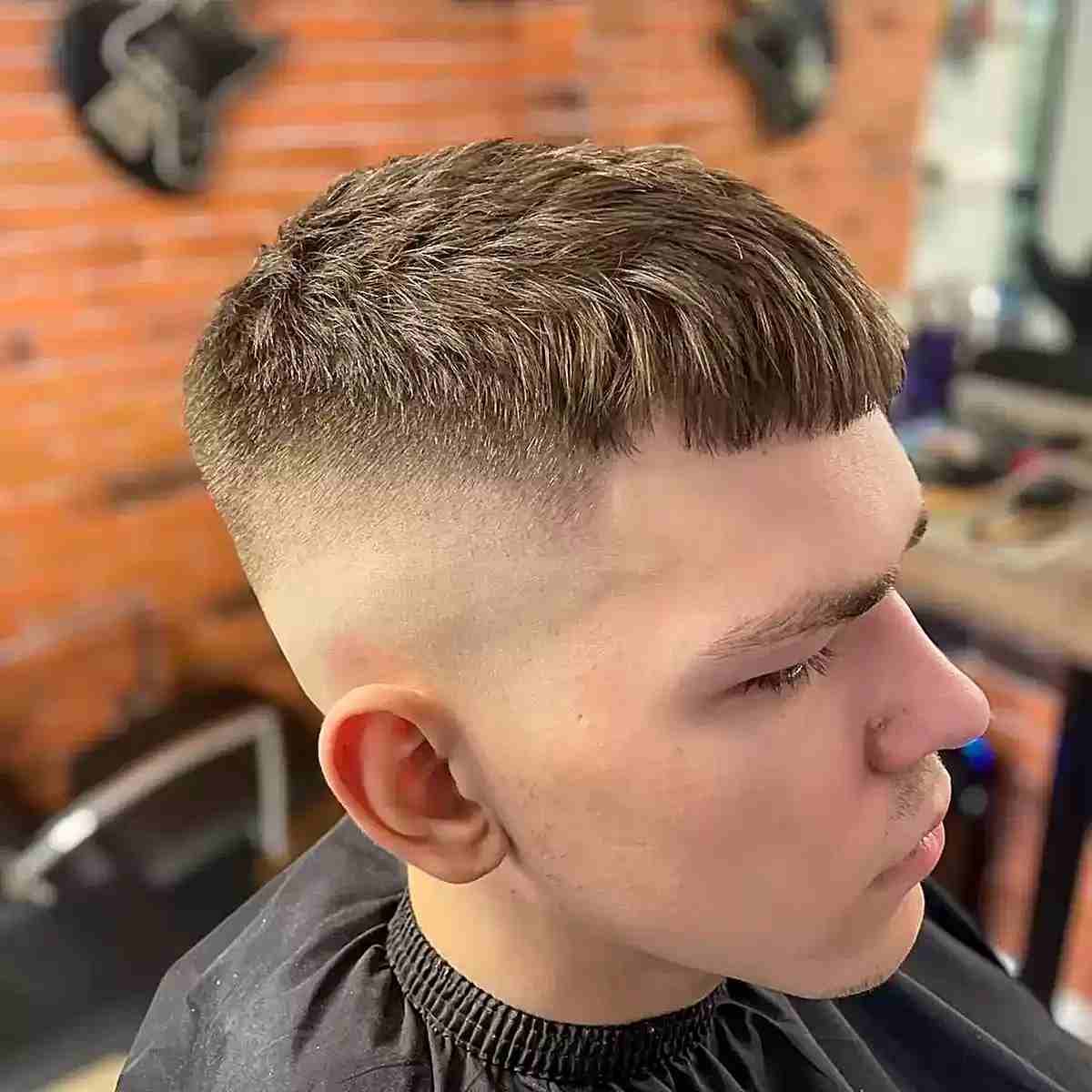
A very short fringe sits low on the forehead, paired with a high fade that removes most bulk through the sides. The top remains cropped and textured, with the shortest front pieces creating a compact, blunt effect. The overall silhouette is tidy and close to the head, with little length at the perimeter. Ask your barber how much softness you want kept at the very front so the fringe does not feel too severe.
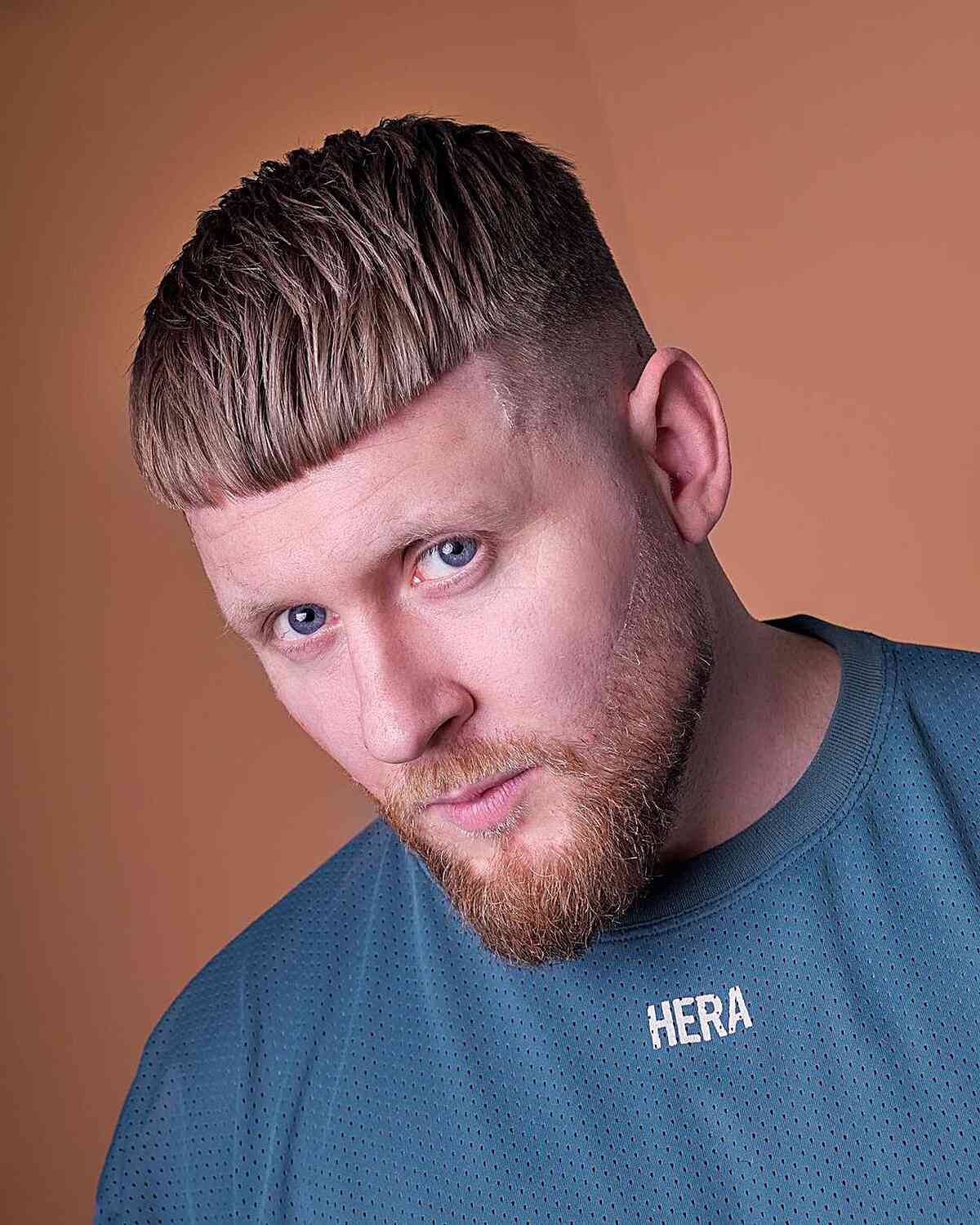
Short Ginger Fringe Fade
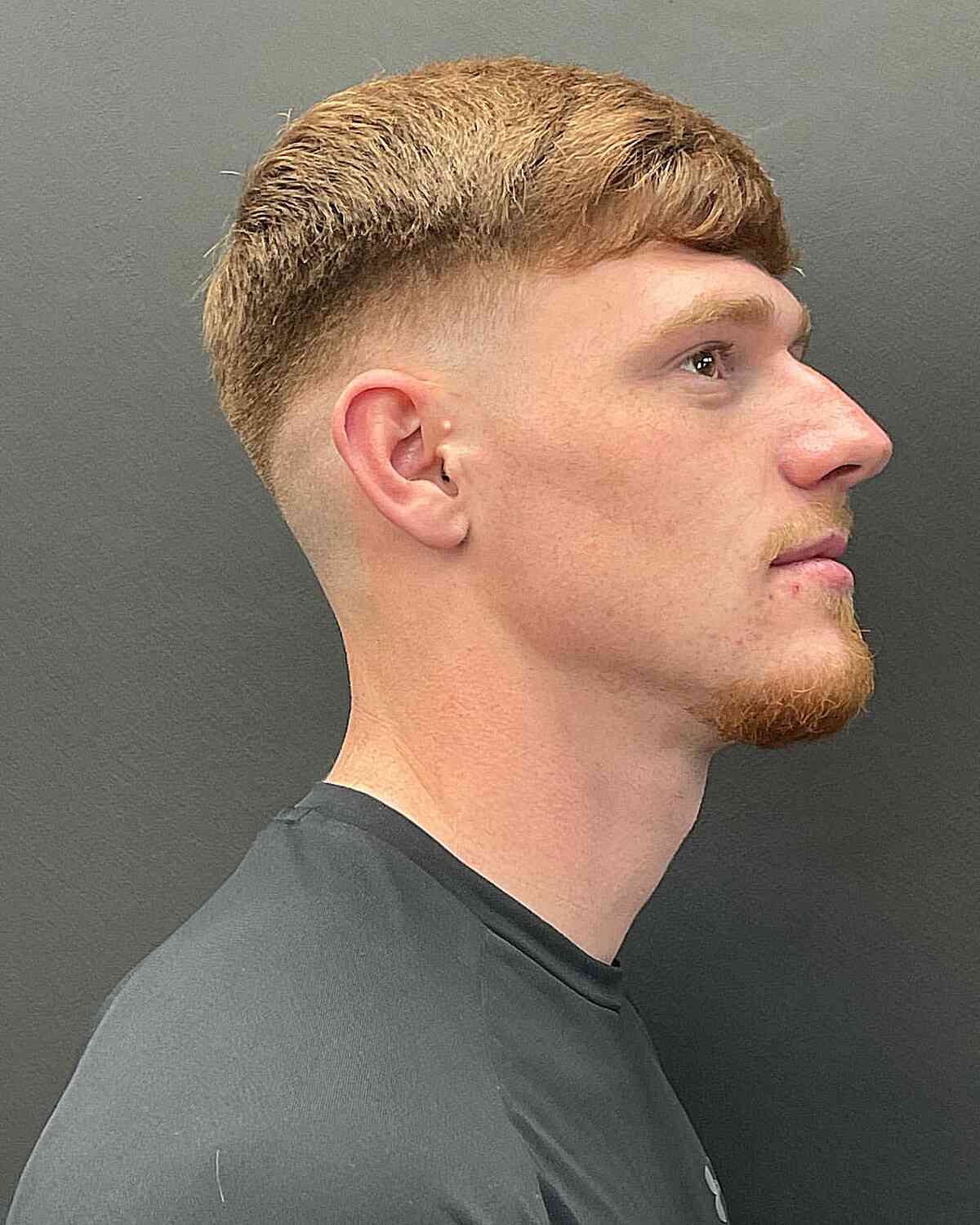
The fringe is trimmed short and pushed forward in a light, straight line, while the top shows a neat, textured finish. A fade drops sharply at the sides, leaving the top section warmer in tone and fuller in appearance. The outline stays crisp around the ears and nape, with the front kept controlled rather than heavy. Bring up whether the fringe should sit square or slightly rounded at the center.
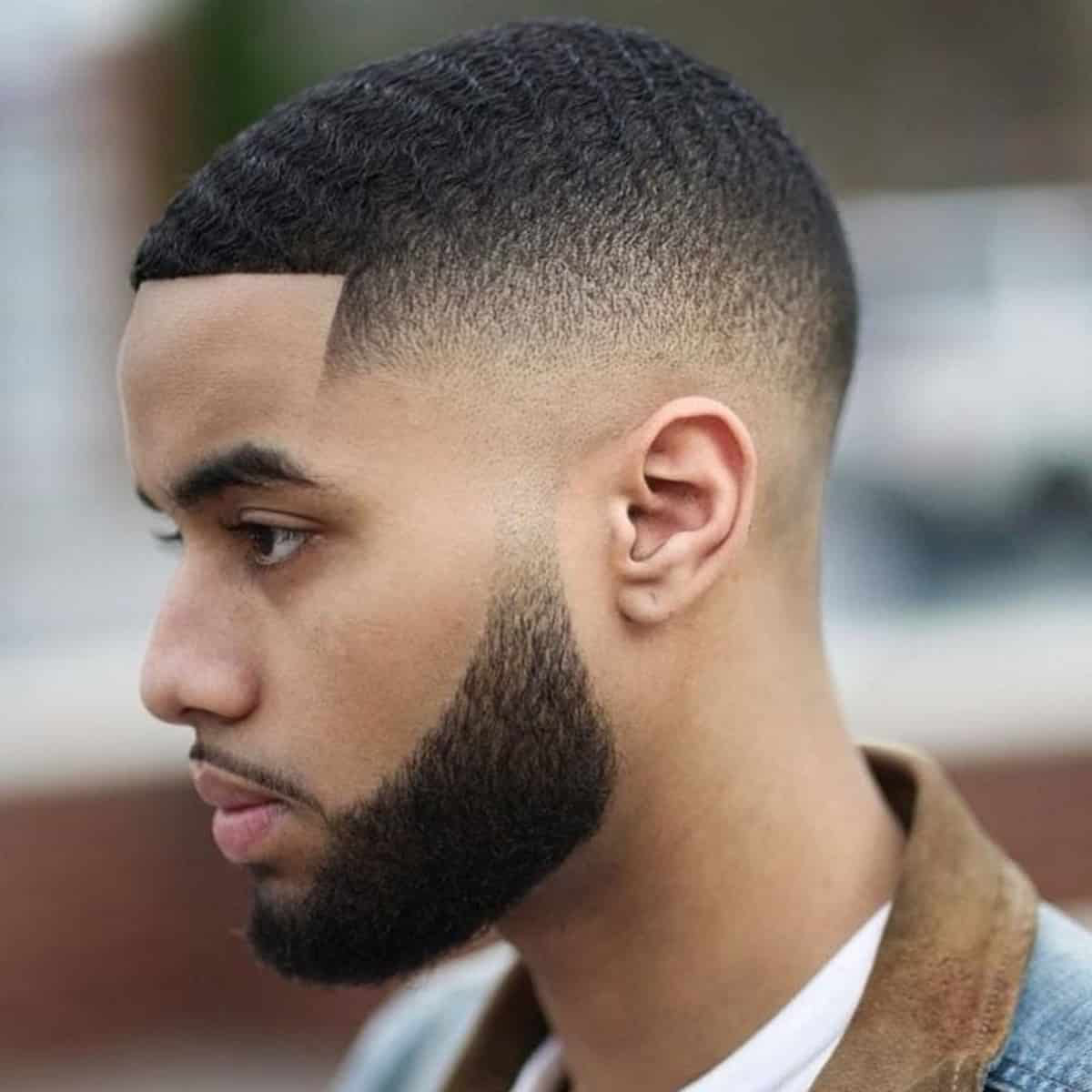
Skin Fade Fringe Crop
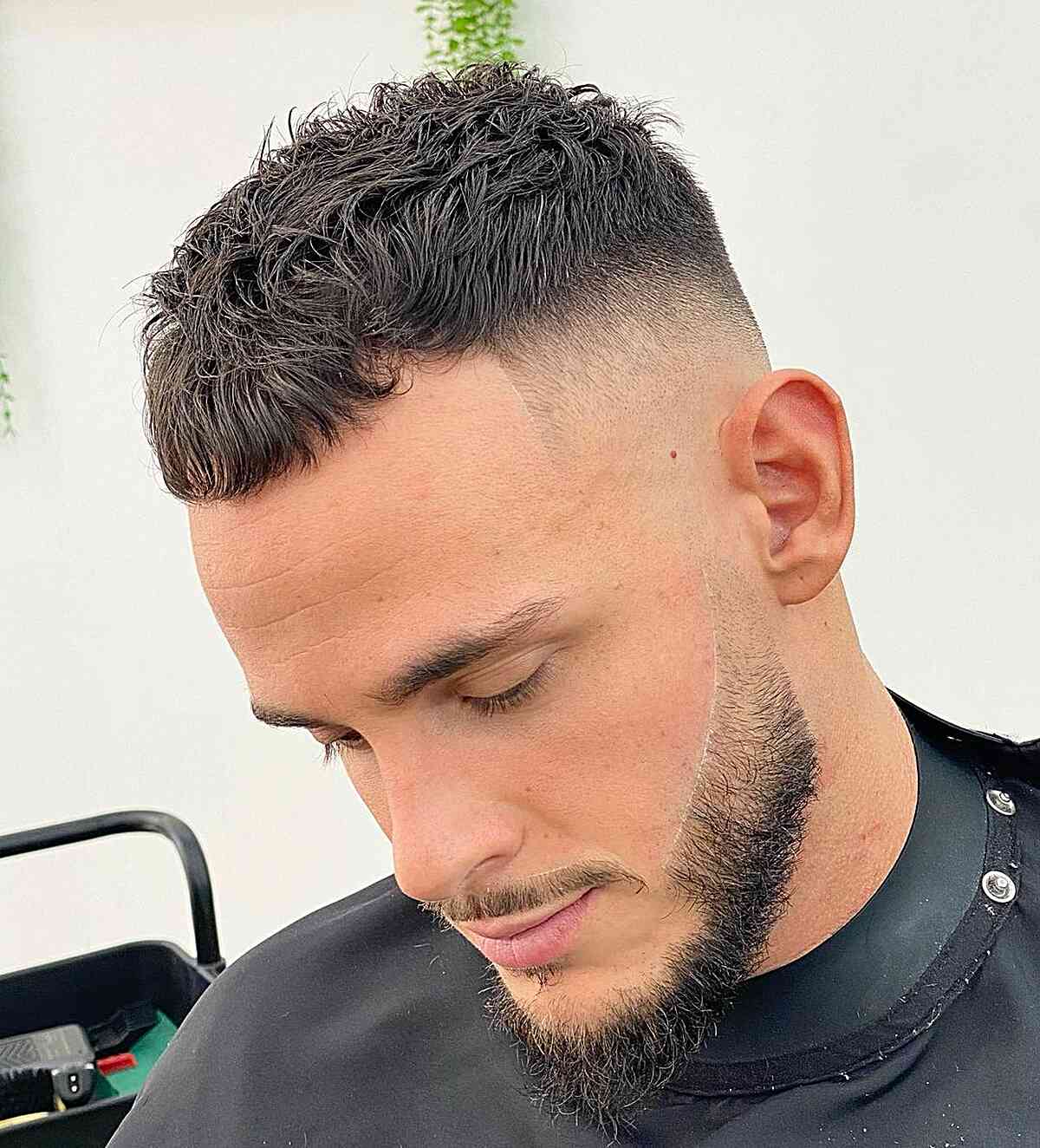
The sides disappear almost to skin, leaving a short, textured top and a compact fringe at the front. The fringe is cut bluntly but not perfectly even, which gives the hair a cropped, modern edge. A small amount of length remains through the top for visible separation and lift. Tell your barber if you want the front line softened or kept sharper against the fade.
Textured Mullet Fringe

Short layers sit on top with a piecey fringe that falls in uneven points across the forehead. The sides are clipped down close, while the back keeps enough length to read clearly as a mullet shape. Texture appears throughout the top and rear, creating a slightly messy finish with visible movement. If you want the back to stand out more or less, mention that before the neckline is cut.
Shag Mullet Fringe
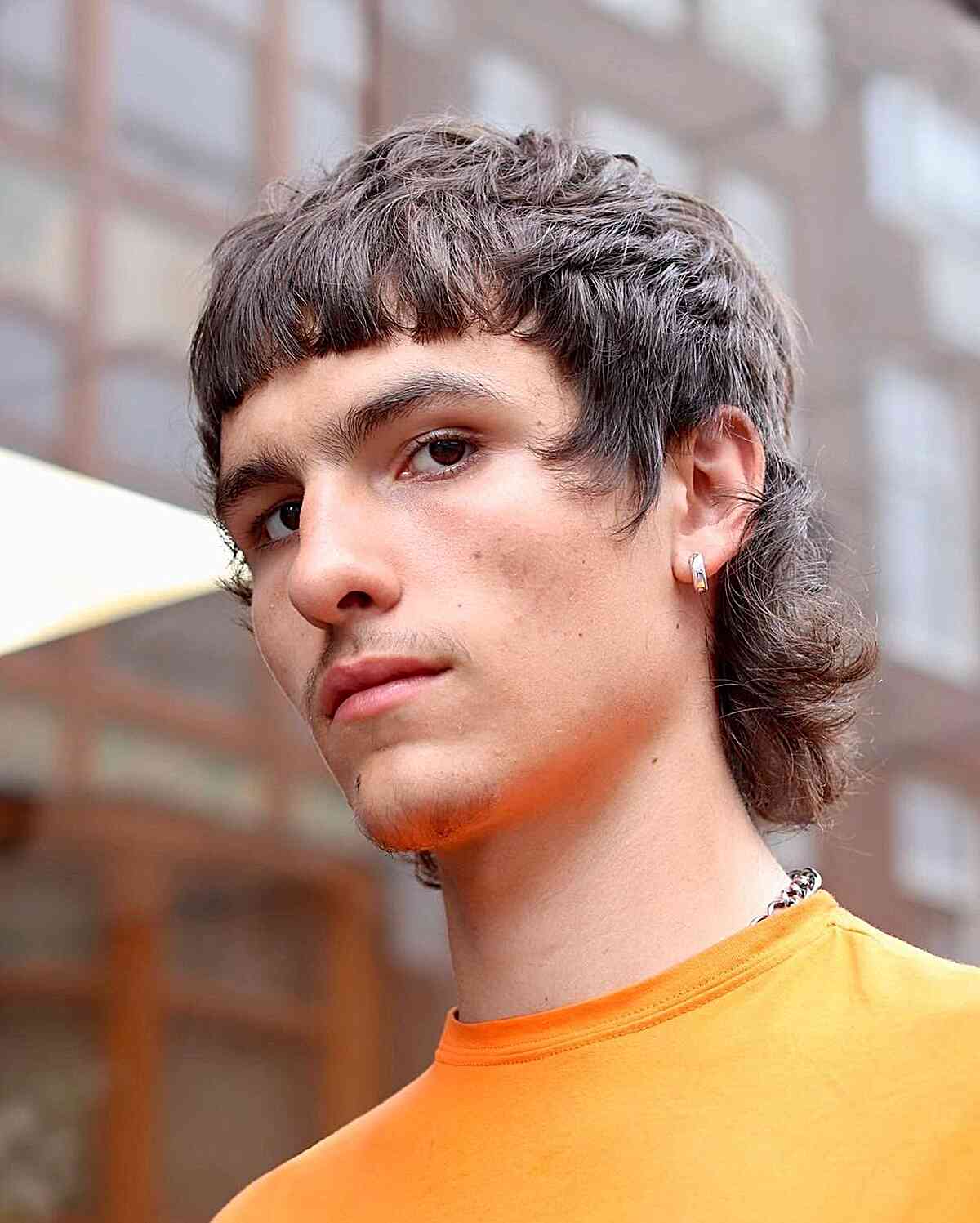
Layered length builds through the crown and back, while the front is cut into a short, straight-across fringe. The sides stay shorter than the top but do not disappear completely, so the silhouette reads as a soft mullet with extra texture. The back extends past the neckline with visible movement. Ask for a layered transition if you want the fringe to connect more gradually to the longer rear section.
Curled Faux Hawk
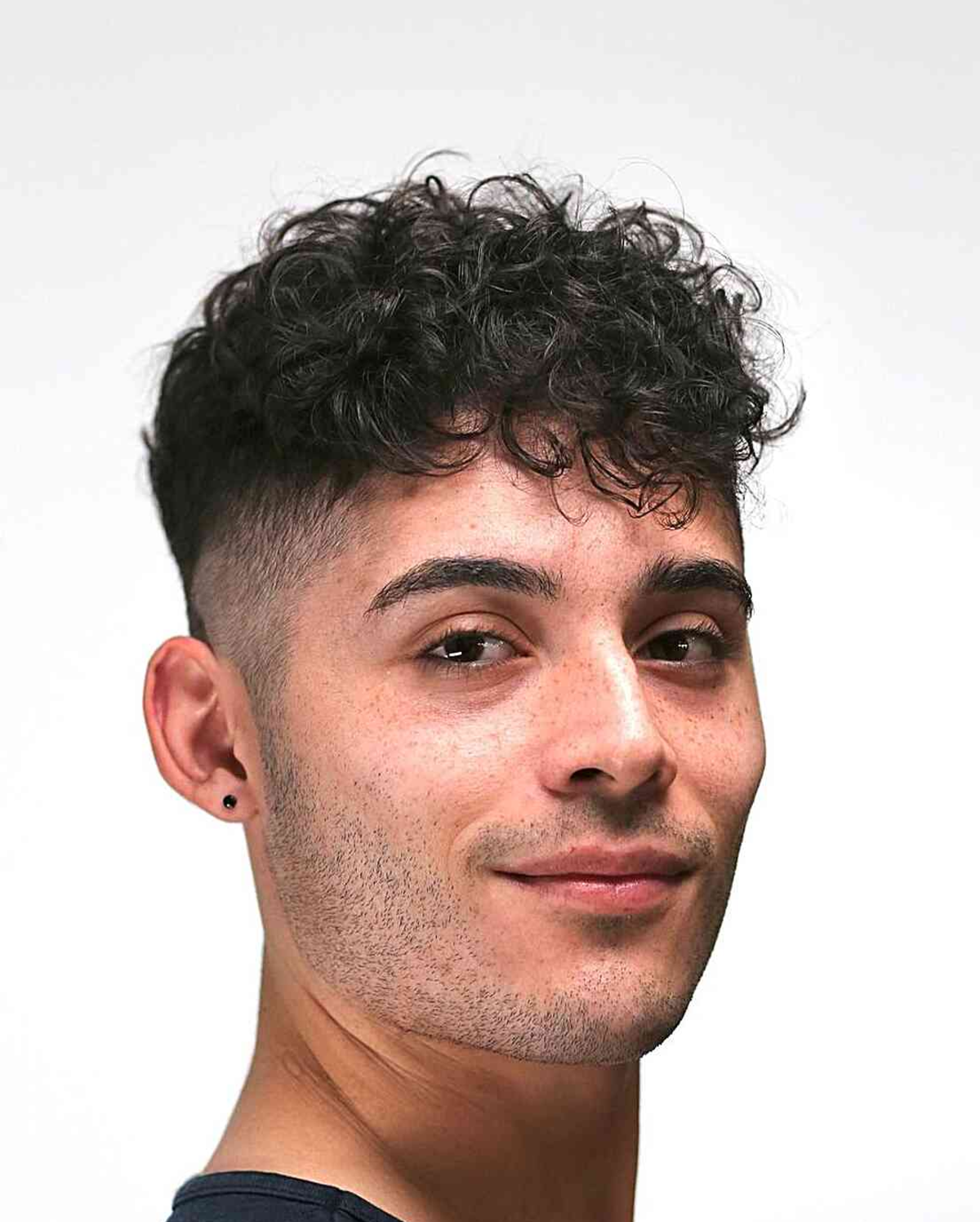
Curls rise through the center and taper down along the sides, forming a narrow ridge with a textured fringe at the front. The sides are taken very close, which makes the middle strip and loose front pieces feel more pronounced. The shape moves upward instead of lying flat, but the curl pattern keeps it soft rather than rigid. Ask about how high you want the center to sit before the fade is blended.
Long Fringe Shag
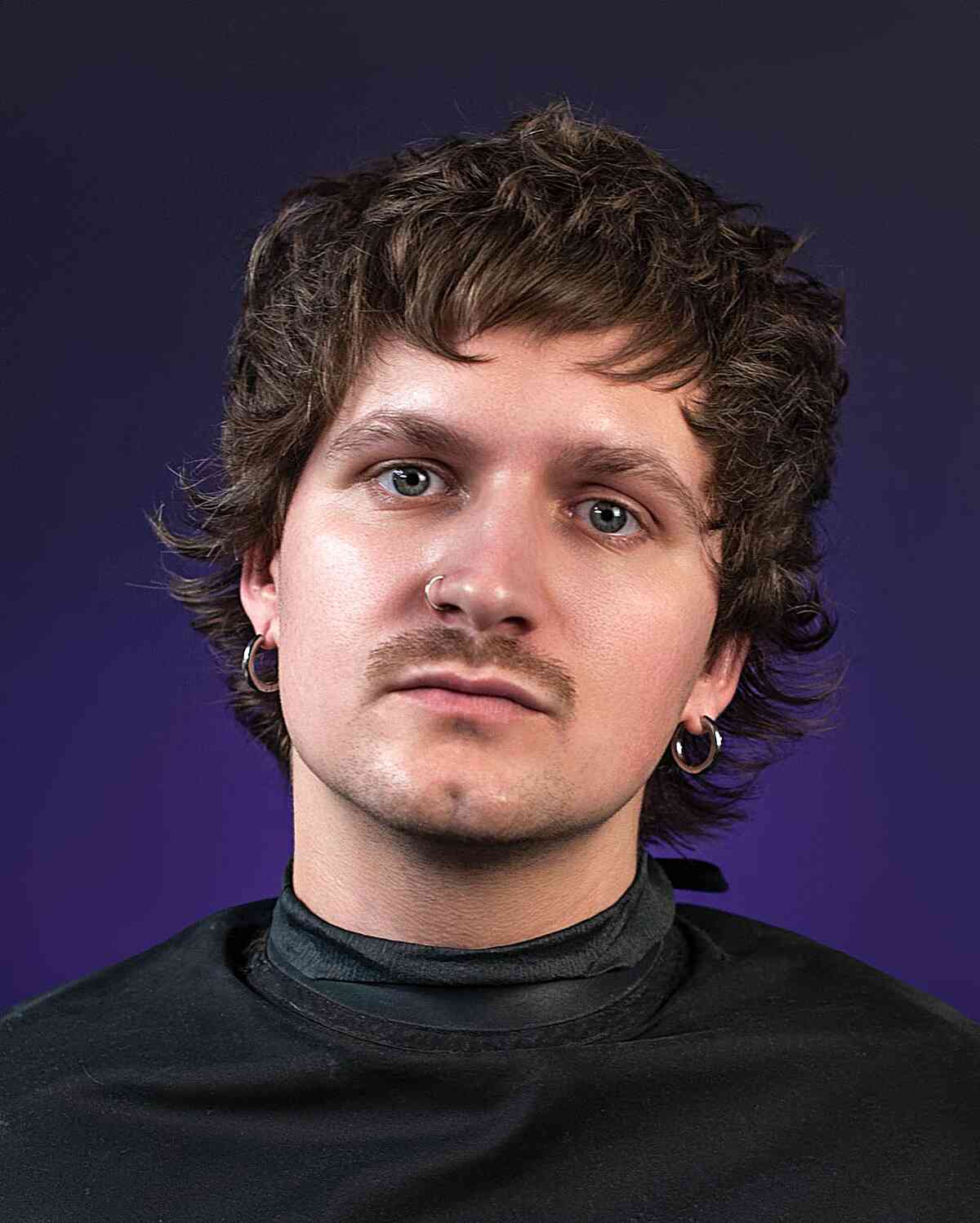
Longer layers flow over the forehead and continue through the sides and back, giving the style a relaxed, grown-out shape. The fringe is separated and feathered rather than blunt, and the ends around the ears and neckline keep the same airy movement. This cut shows more length than a crop, with texture visible from front to back. Discuss how much weight you want left at the crown versus the fringe.
Mullet With Straight Fringe
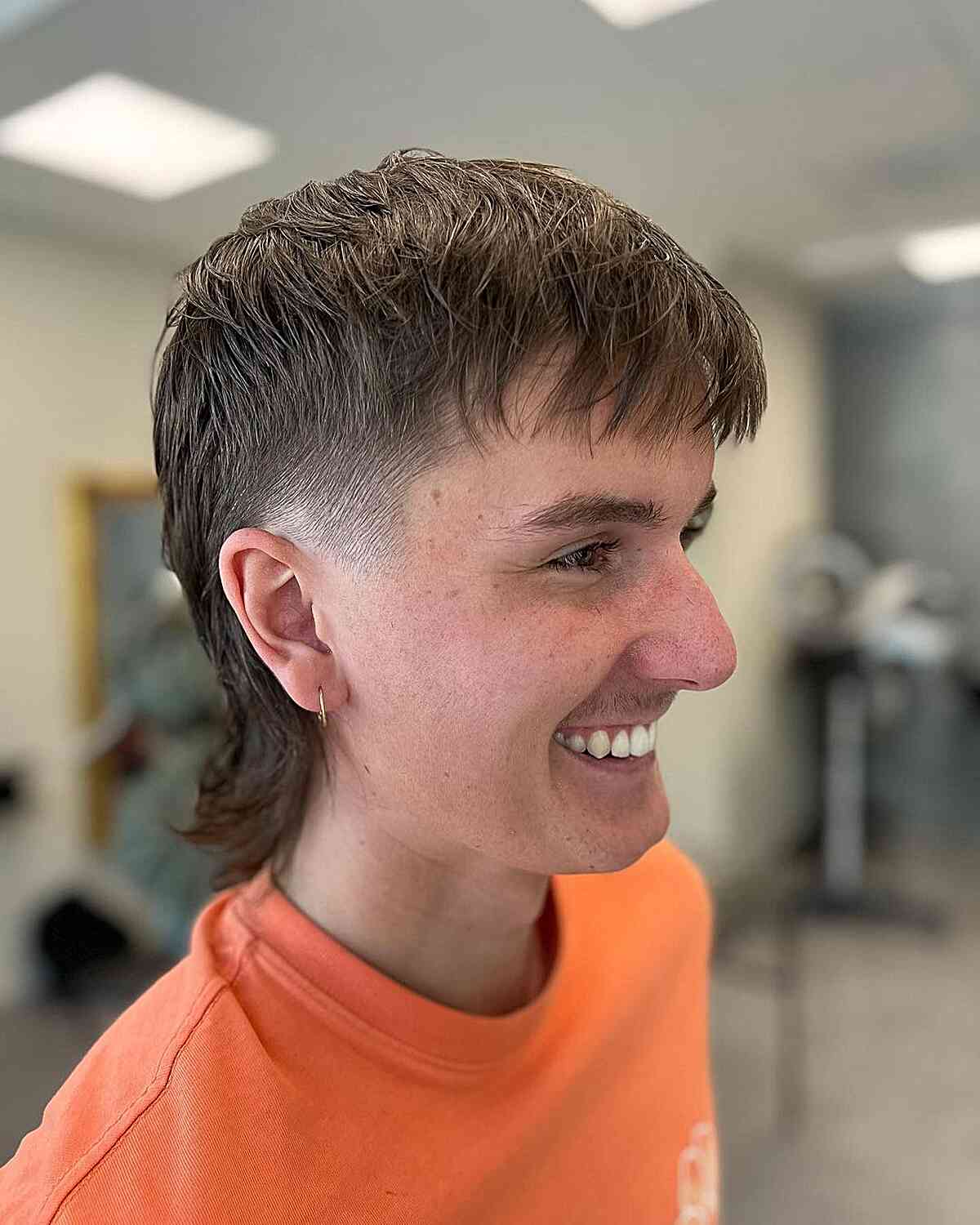
A straight fringe is cut cleanly across the forehead, then paired with a short top and longer back section. The sides are faded down near the temple, which makes the rear length more noticeable without turning the cut into a uniform block. The front line feels controlled, while the back keeps a layered, slightly mullet-like shape. Ask where you want the fringe to stop so the line sits evenly.
Platinum Cropped Fringe
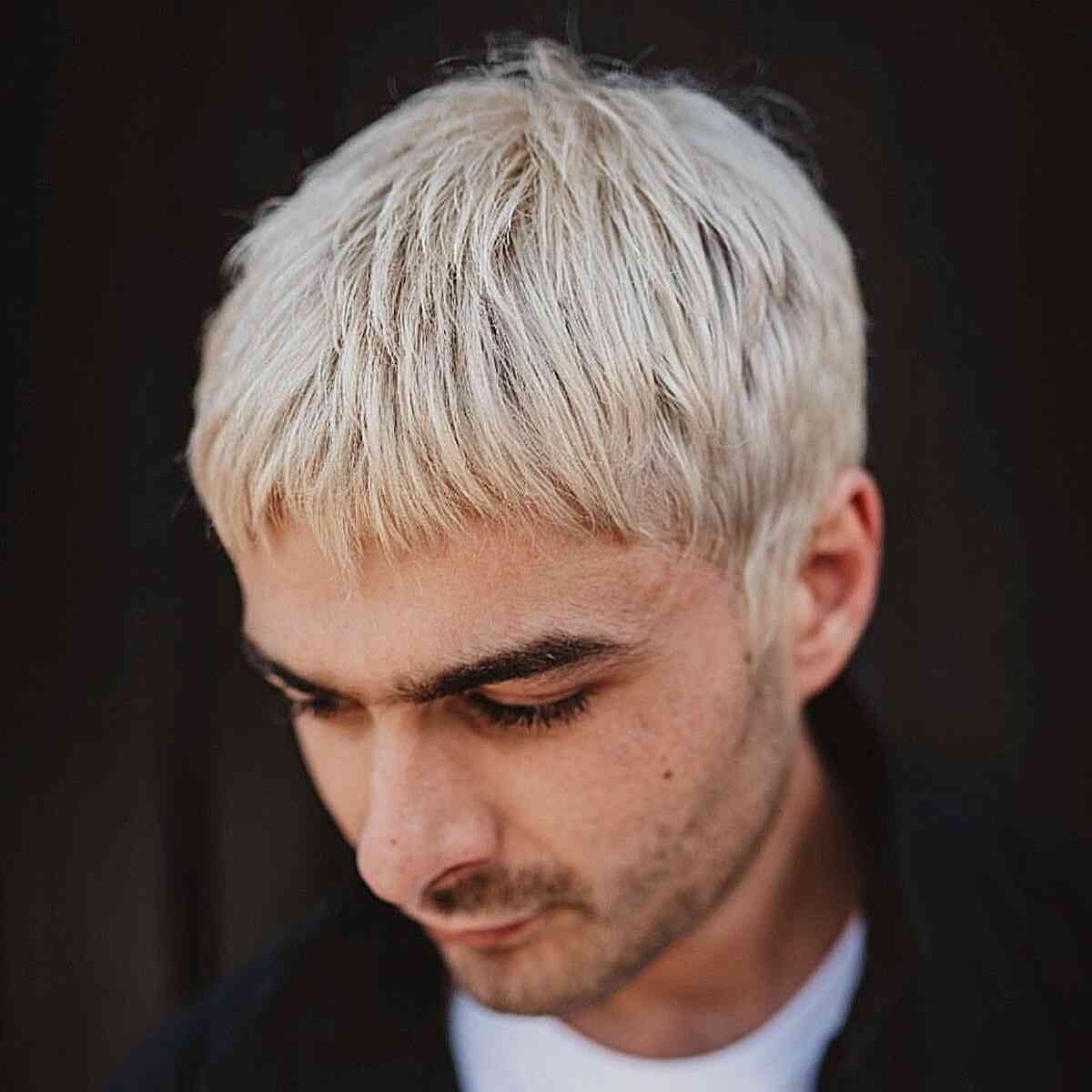
Very light blonde color sits over a short, compact cut with cropped bangs that skim the forehead. The top is textured but controlled, and the fringe is cut short enough to keep the overall outline tight. Side length is reduced so the front remains the main visual point. If you are considering a light shade, ask how the fringe should be trimmed to stay readable as it grows.
Temple Fade Fringe
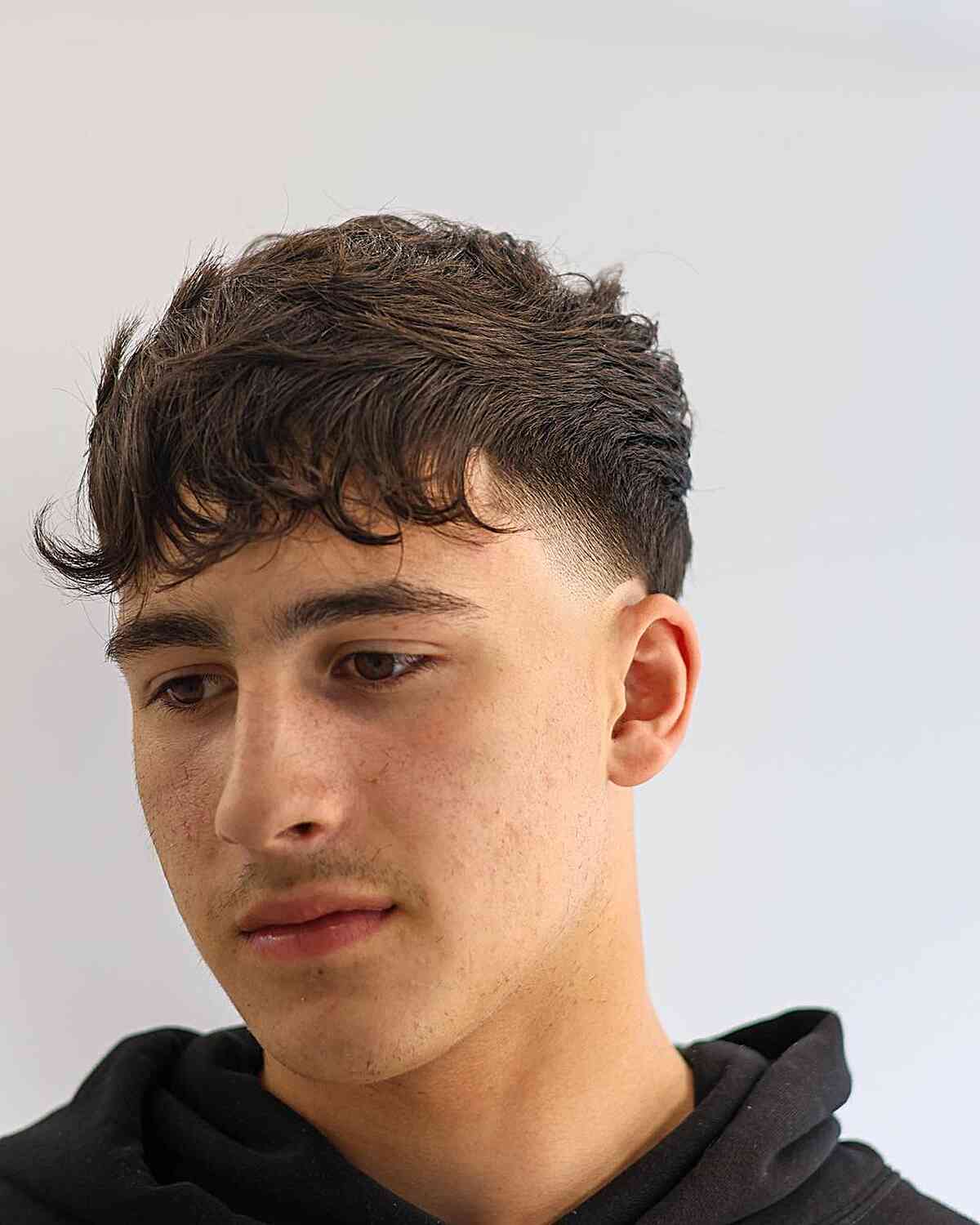
A neat fade clears the temples while the top stays short, textured, and slightly forward-moving. The fringe breaks into small pieces instead of forming one solid bar, which keeps the front light and easy to read. The top has enough length for subtle separation without looking bulky. Tell your stylist if you want the fade to stay high or soften earlier around the temple area.
Choppy Angular Fringe
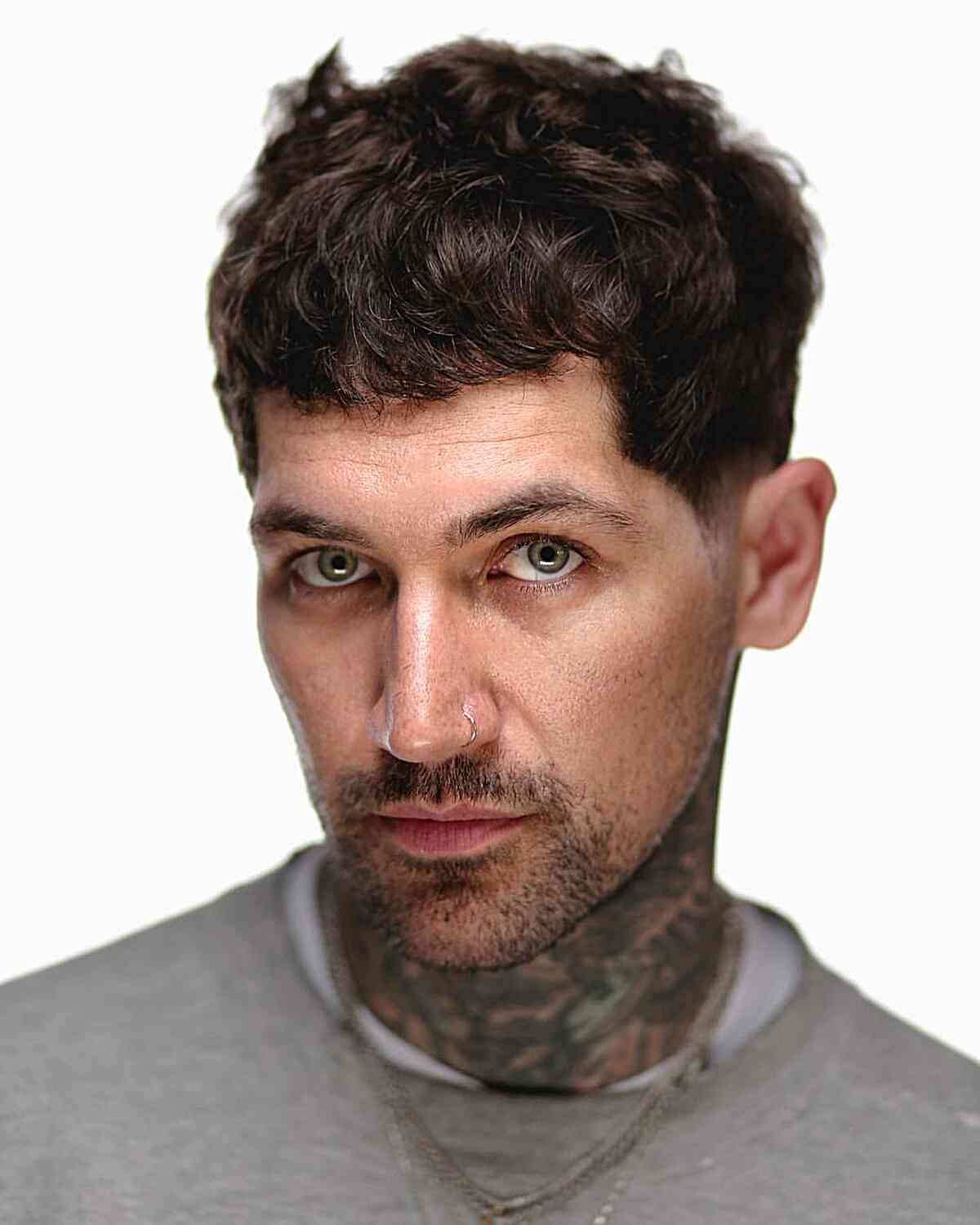
The front is cut into short, jagged pieces that angle slightly to one side, creating a sharp but uneven line across the forehead. The top shows compact texture with little length at the sides, which keeps the profile lean. A faded perimeter tightens the shape around the ears and jawline. Point out whether you prefer a softer or more graphic edge through the fringe line.
Messy Layered Fringe
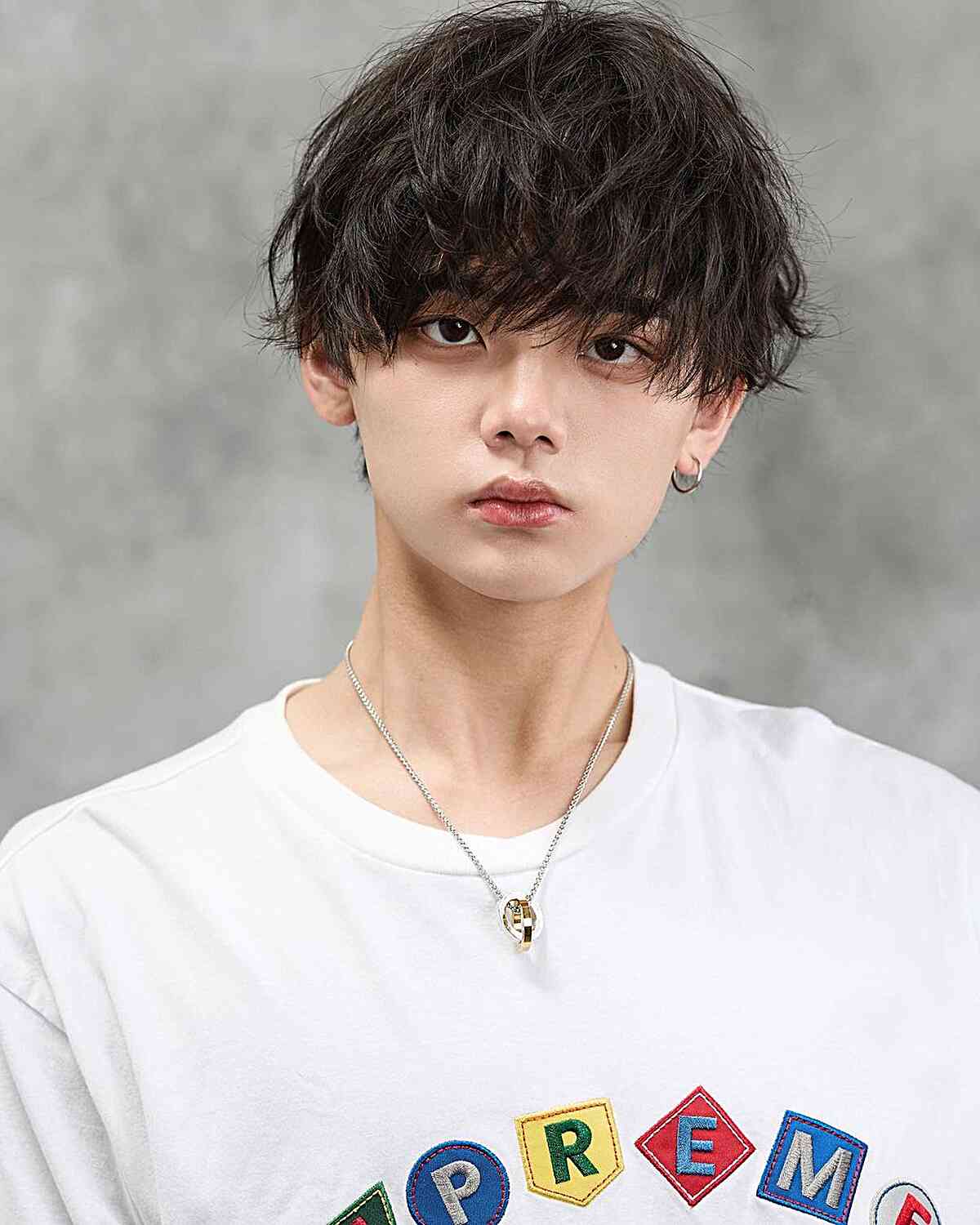
Thick, irregular layers fall over the forehead in a soft curtain of texture, while the top and sides stay full enough to keep the shape rounded. The fringe is long and feathered, with pieces overlapping instead of lying in a straight line. The silhouette feels loose and airy, with movement visible at the ends. Point out whether you want the fringe to rest lower or open up more around the eyes.