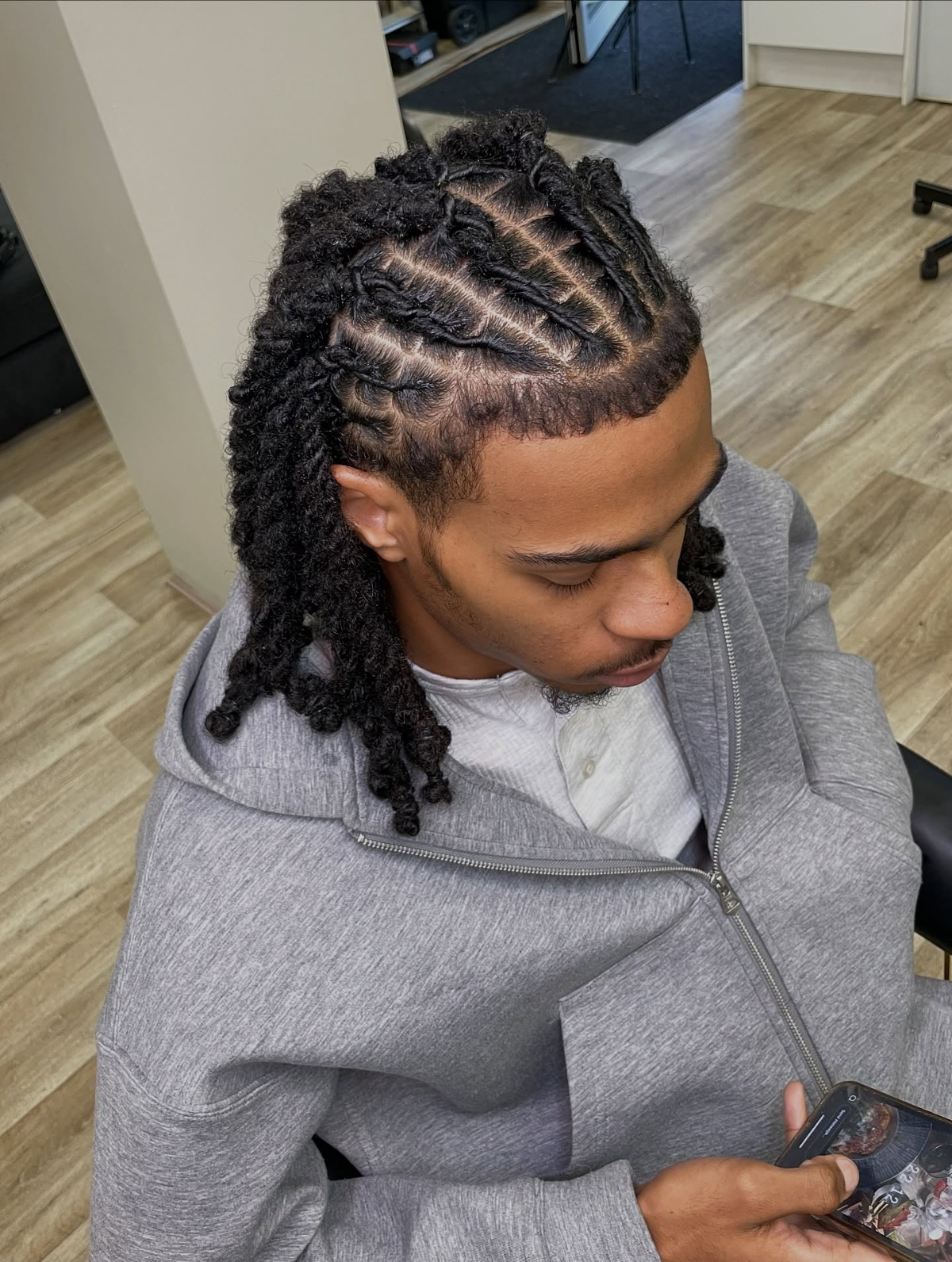
Texture changes a haircut fast, which is why wavy hair can look very different from one cut to the next. Some styles in this set keep the sides tight and let the top do the work; others use layers to build movement across more length. The photos below focus on visible shape, fringe, finish, and endpoint, so you can compare how each style sits before bringing a reference image to the chair. For each look, the styling note points to a specific detail worth discussing with a stylist.
Full Curl Shag
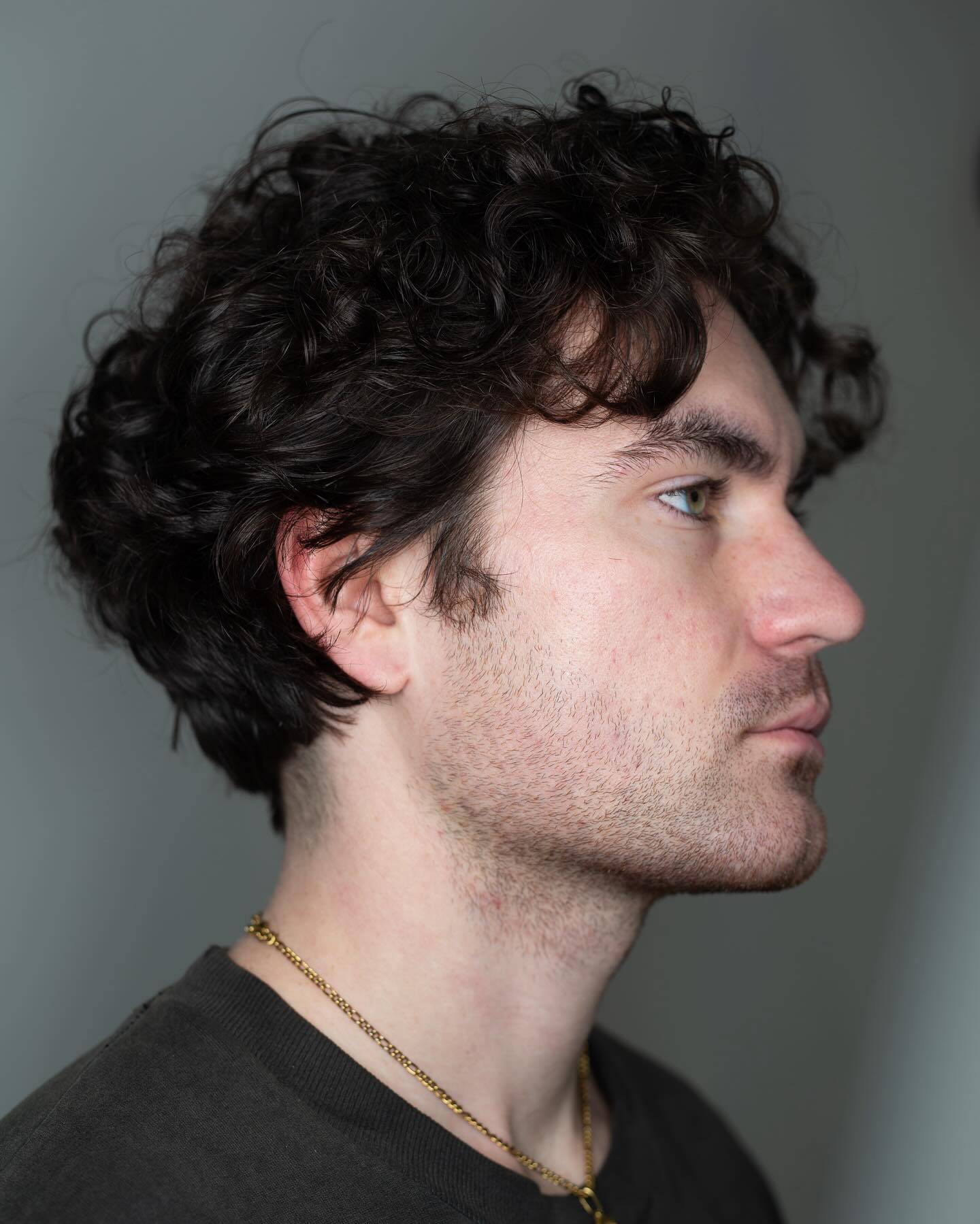
Dense, rounded curls sit above the ears and fall to the nape, creating a soft, layered silhouette with plenty of movement. The fringe breaks lightly across the forehead while the ends stay loose instead of boxed in. A stylist could refine the perimeter if you want the shape to read cleaner without losing the airy finish.
Textured Fringe Crop
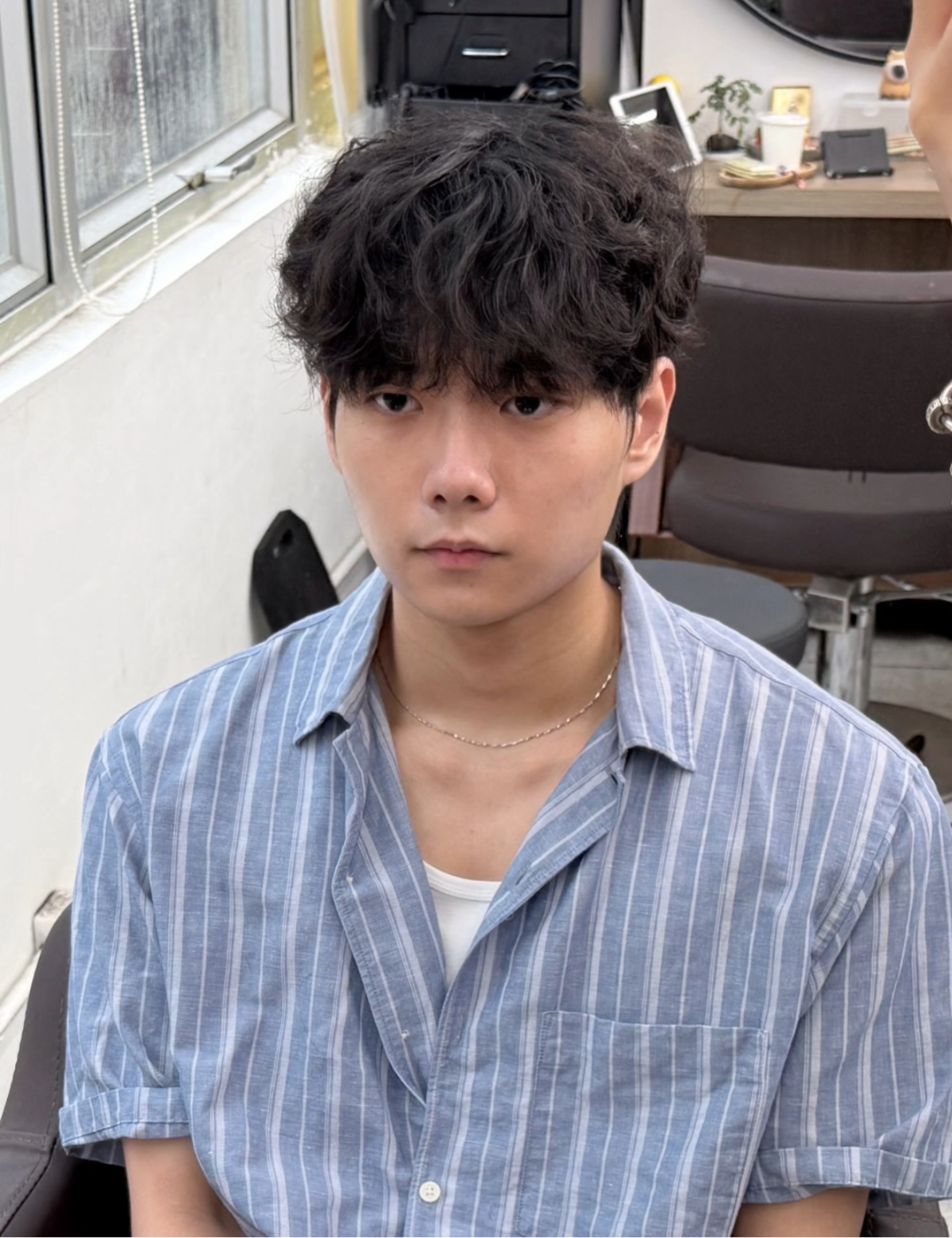
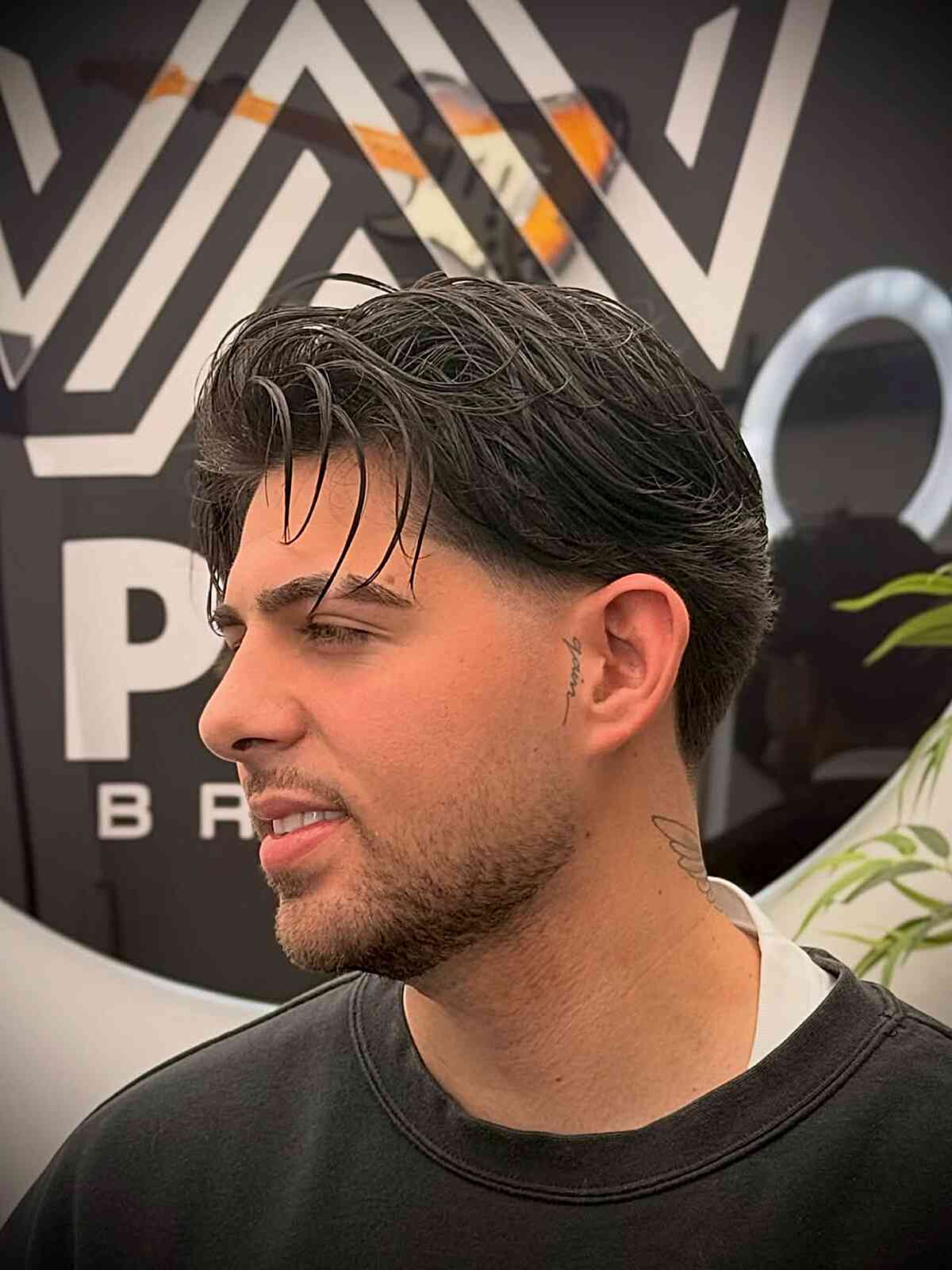
Heavy texture on top sits over a short, tapered outline, and the fringe drops forward in uneven pieces that skim the brows. The crown looks airy rather than flat, with visible separation through the top and sides kept neat. Ask your stylist how much weight to remove in the fringe so it stays piecey instead of bulky.
Side-Swept Wavy Undercut
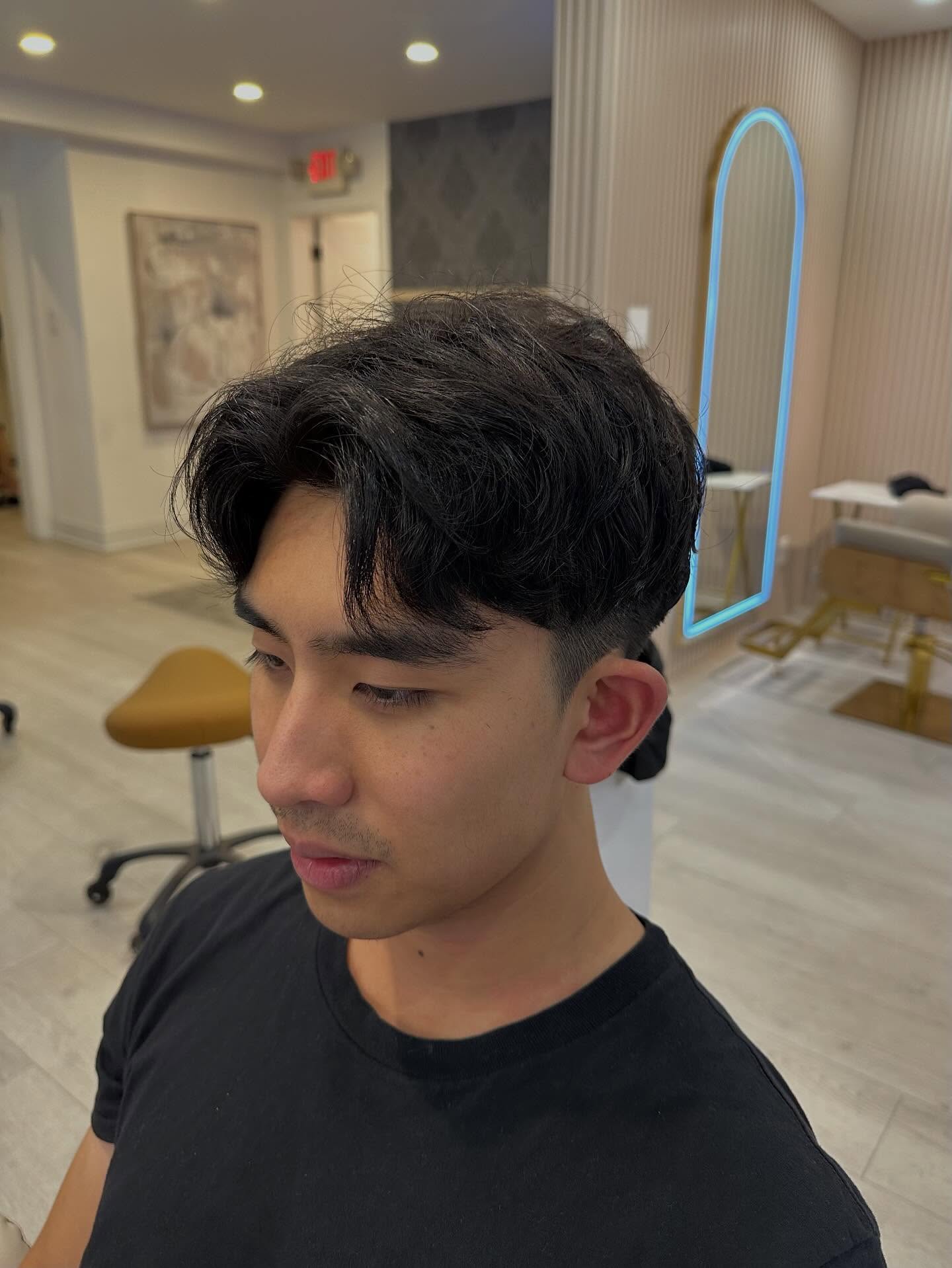
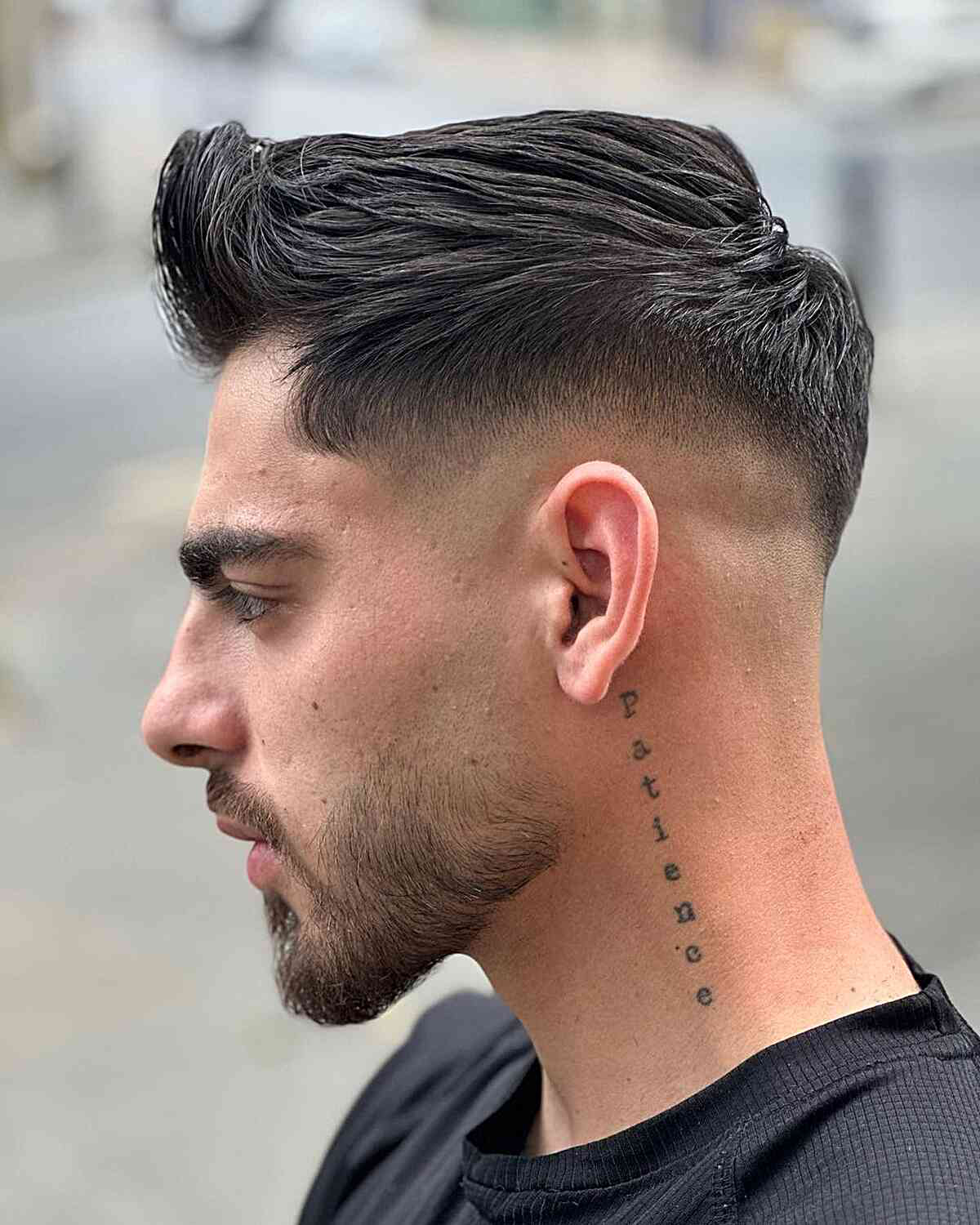
Longer top sections sweep across the forehead and over one side, while the sides are cut very short for contrast. The top keeps a soft wave pattern with visible separation and a loose, brushed finish. If you like this profile, talk about how much disconnect you want between the top and sides so the blend reads intentional.
Loose Tapered Waves
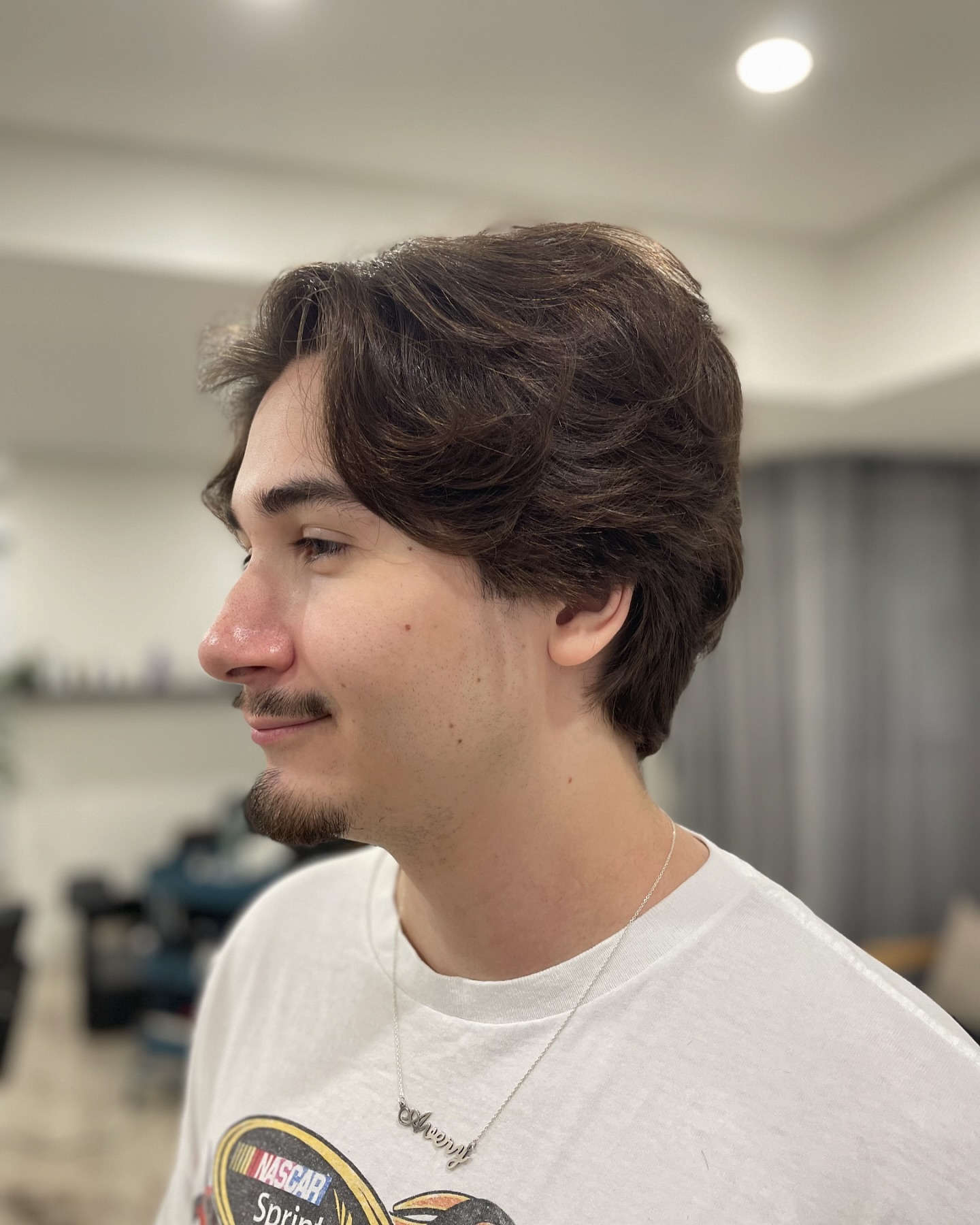
Medium-length waves sit around the ears and neckline with a soft taper underneath, giving the cut a relaxed outline from every angle. The hair is styled with volume through the sides and a natural lift at the front, not a rigid part. A practical detail to discuss is whether you want the ends left soft or slightly thinned for lighter movement.
Soft Sides Wave Cut
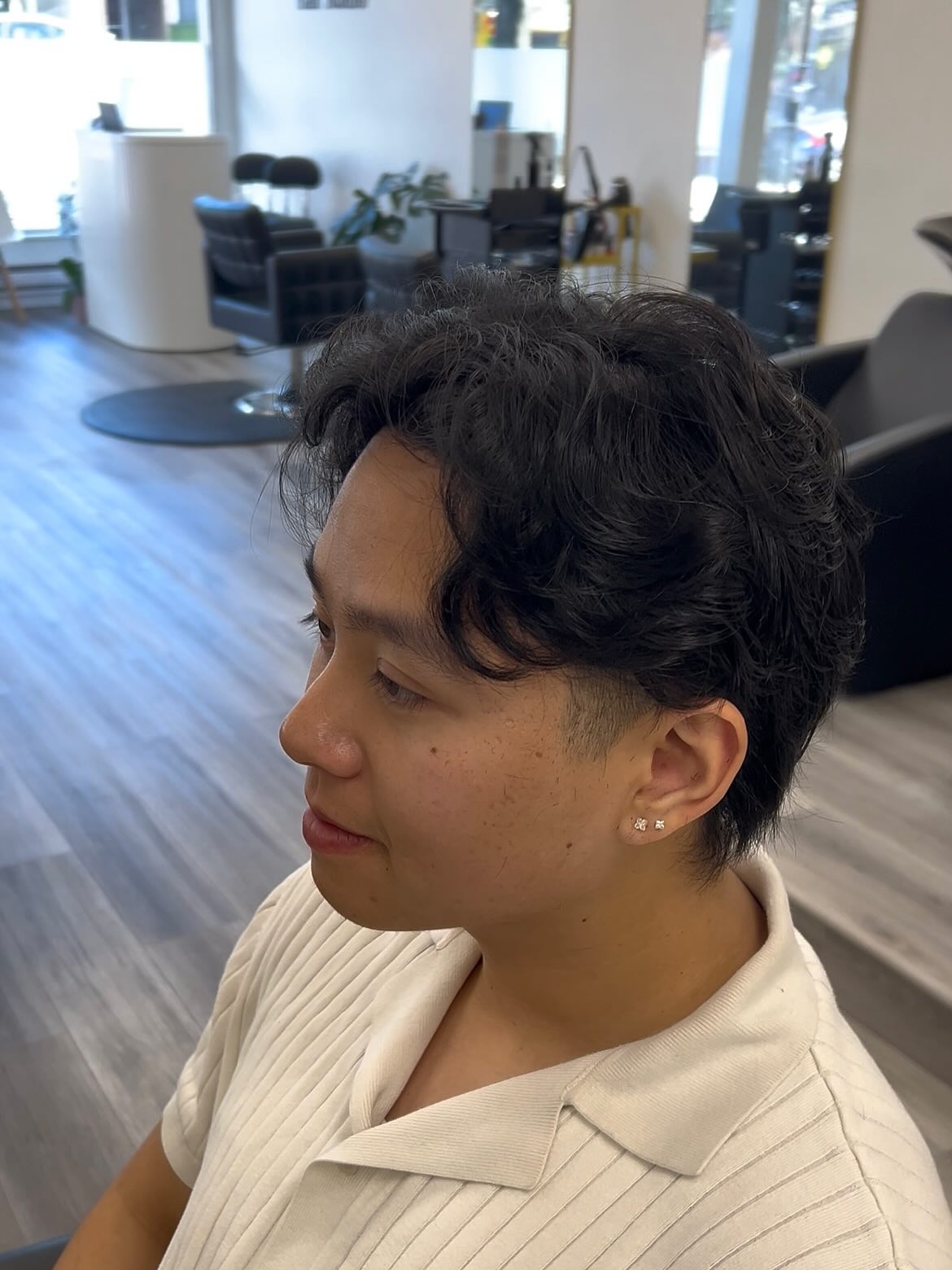
The top stays longer and fuller, while the sides are cut lower and tighter without looking disconnected. Waves are visible through the crown and front, with a slightly airy finish that keeps the silhouette from feeling too heavy. If you plan to wear it this way, ask how short the sides should be to keep the outline balanced with the top length.
High Fade Waves
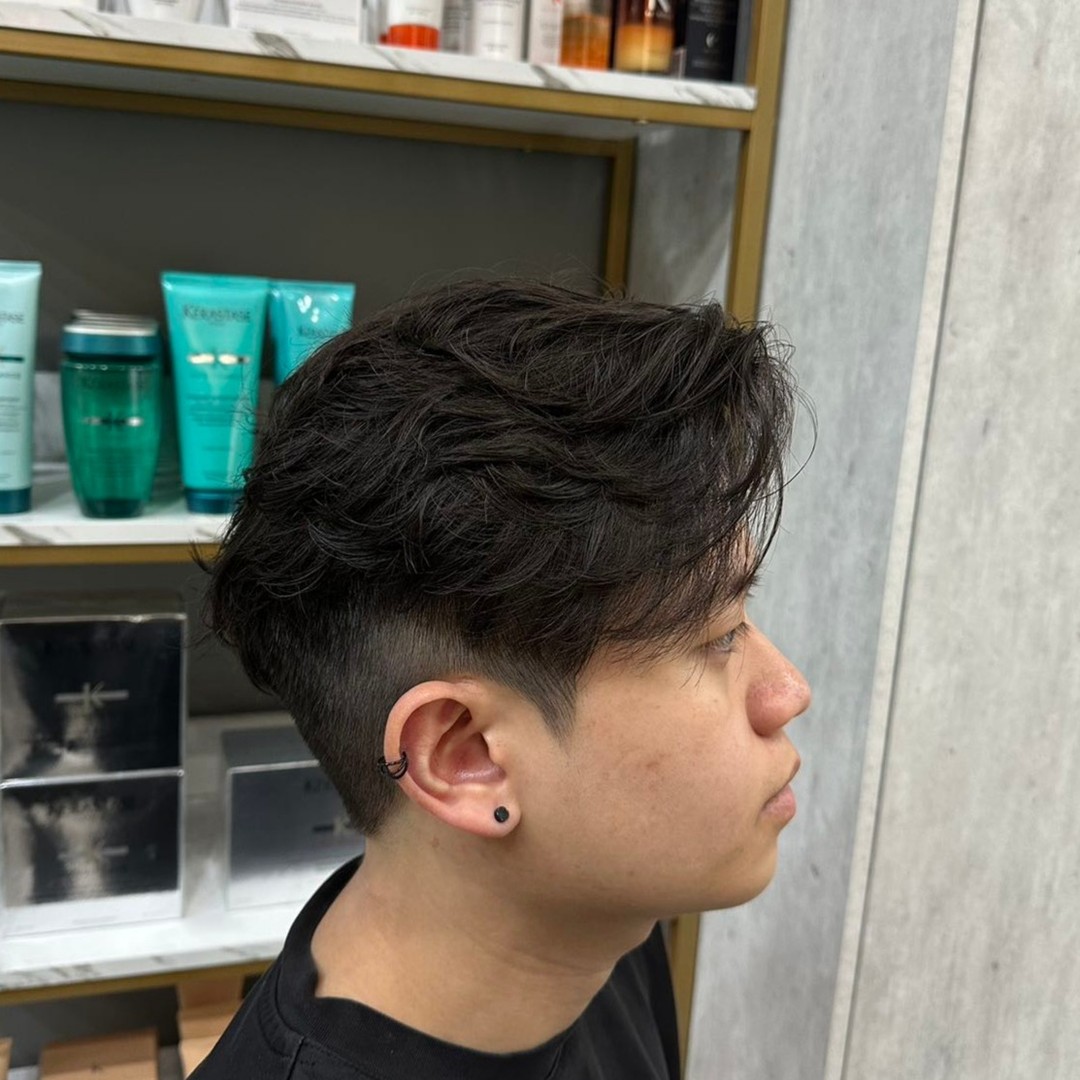
A tight fade climbs into a fuller wavy top, so the contrast between the clean sides and textured crown is easy to see. The top has loose bends and a slightly lifted front, while the back keeps more length. Bring up how high you want the fade to start, since that changes how much of the wave pattern stays in view.
Long Flowing Layers

Long layers fall past the shoulders with loose waves that bend away from the face and neck. The shape feels lived-in, with motion through the mid-lengths and lighter ends that don’t look blunt. If you’re considering this length, ask about where the layers should start so the weight stays controlled without flattening the wave pattern.
Rounded Curly Crop
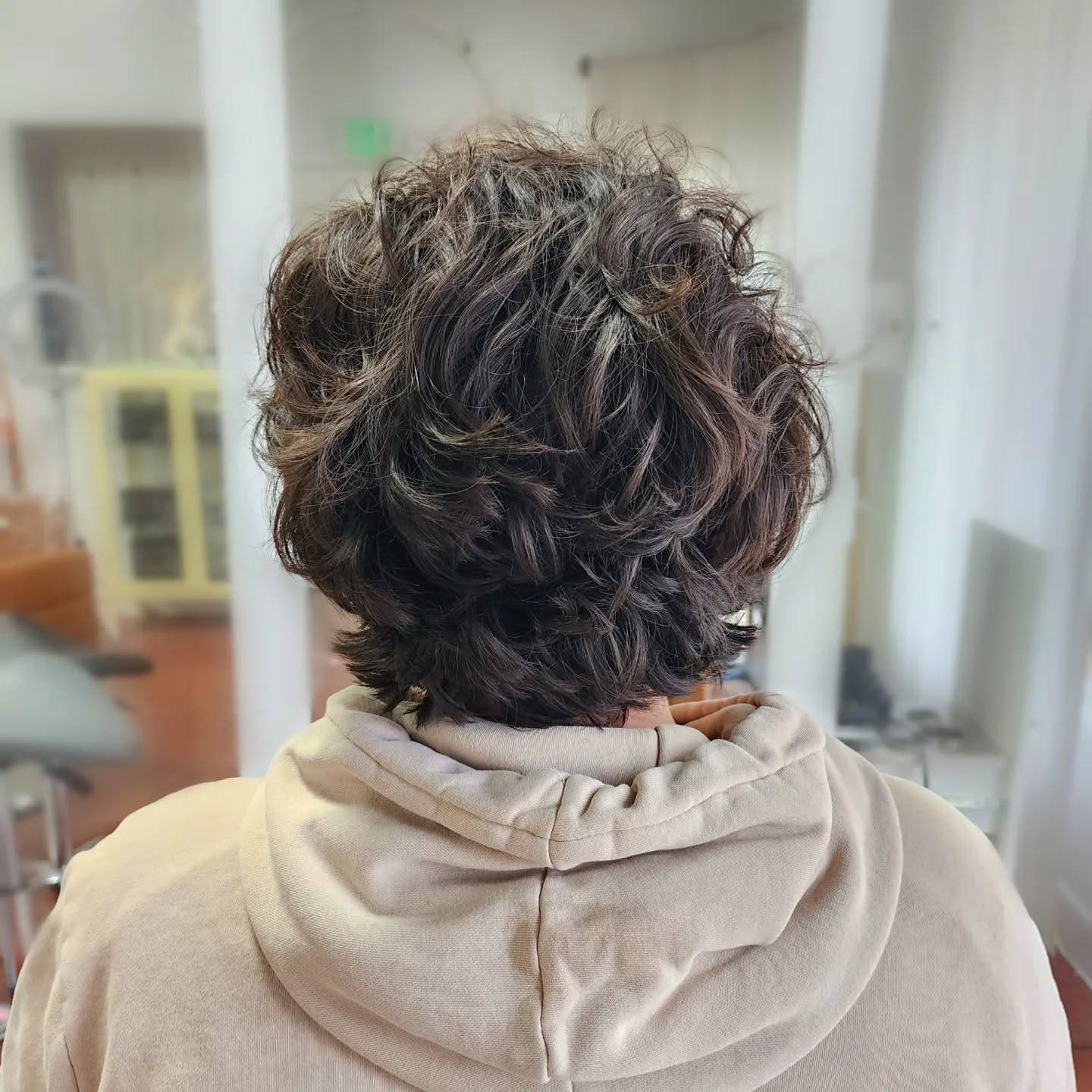
Short sides support a fuller top that sits high and rounded, with curls and bends clustered into a compact shape. The silhouette is dense through the crown and looser at the edges, giving the cut a lot of texture in a small footprint. A useful salon note is whether you want the outline cropped close or left slightly fuller at the sides.
Collar-Length Wavy Layers
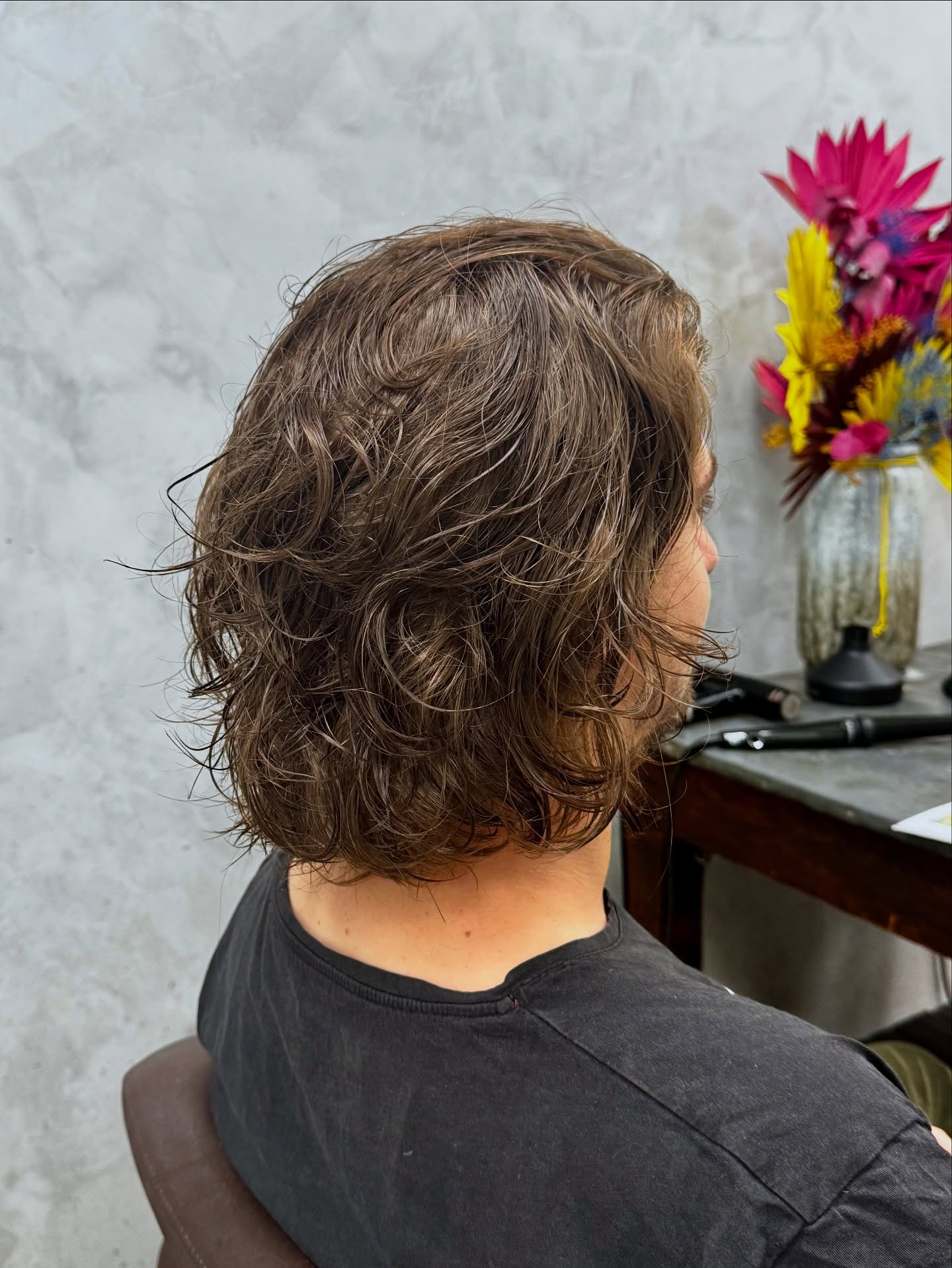
Length extends to the collar with layered wave that move freely from the crown through the ends. The silhouette is soft and open, with loose bends, wispy pieces, and a low, natural finish around the neckline. If you’re working from this reference, discuss how much interior layering you want so the length doesn’t feel too heavy at the back.
Mullet-Inspired Waves
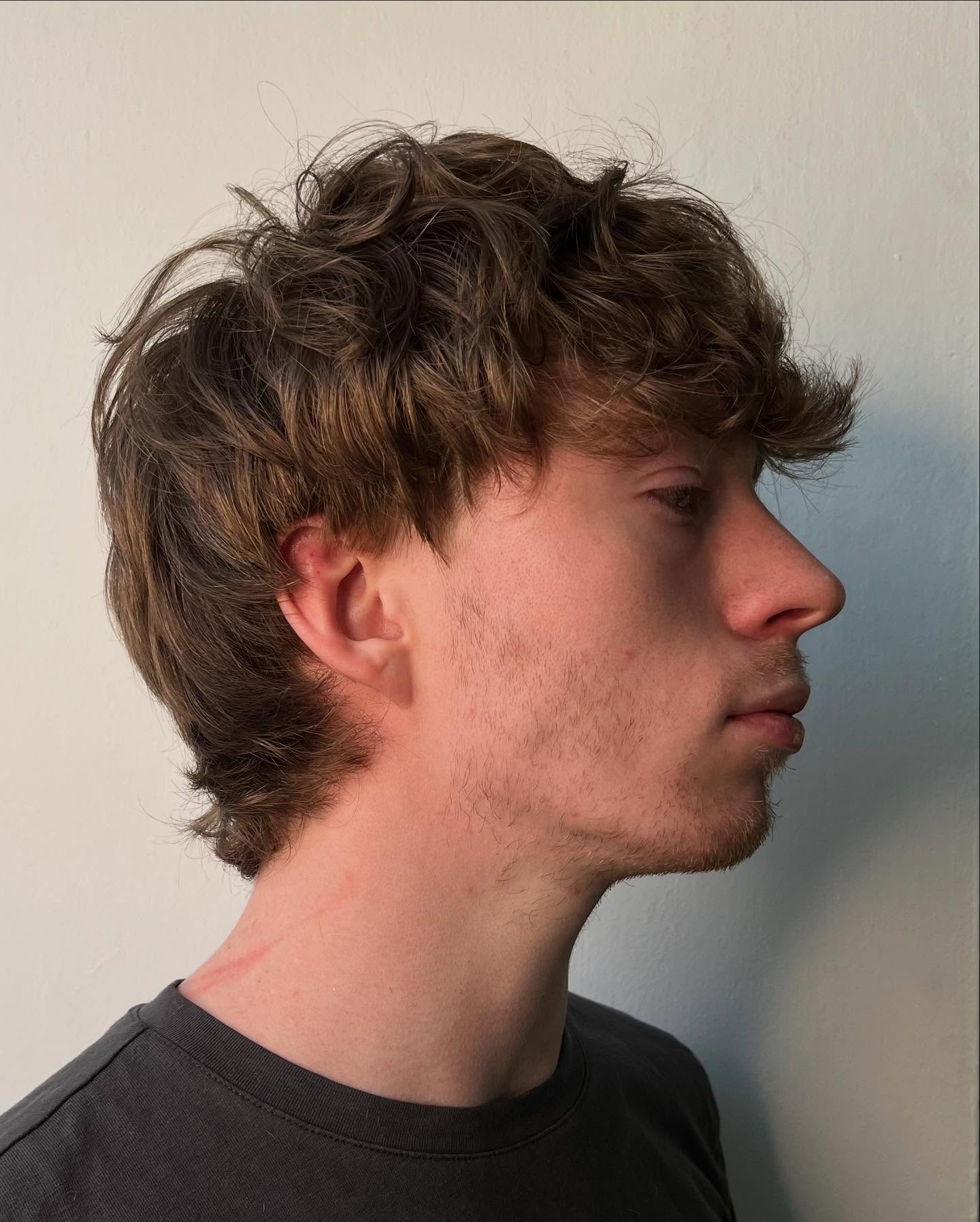
Shorter sides and a longer back create a clear profile shift, while the top stays tousled with irregular waves and a fringe that drops toward the brow. The neckline length adds movement and makes the shape read more directional than a standard crop. If you like this structure, ask your stylist how dramatic the length contrast should be in back.
Classic Brushed Wave
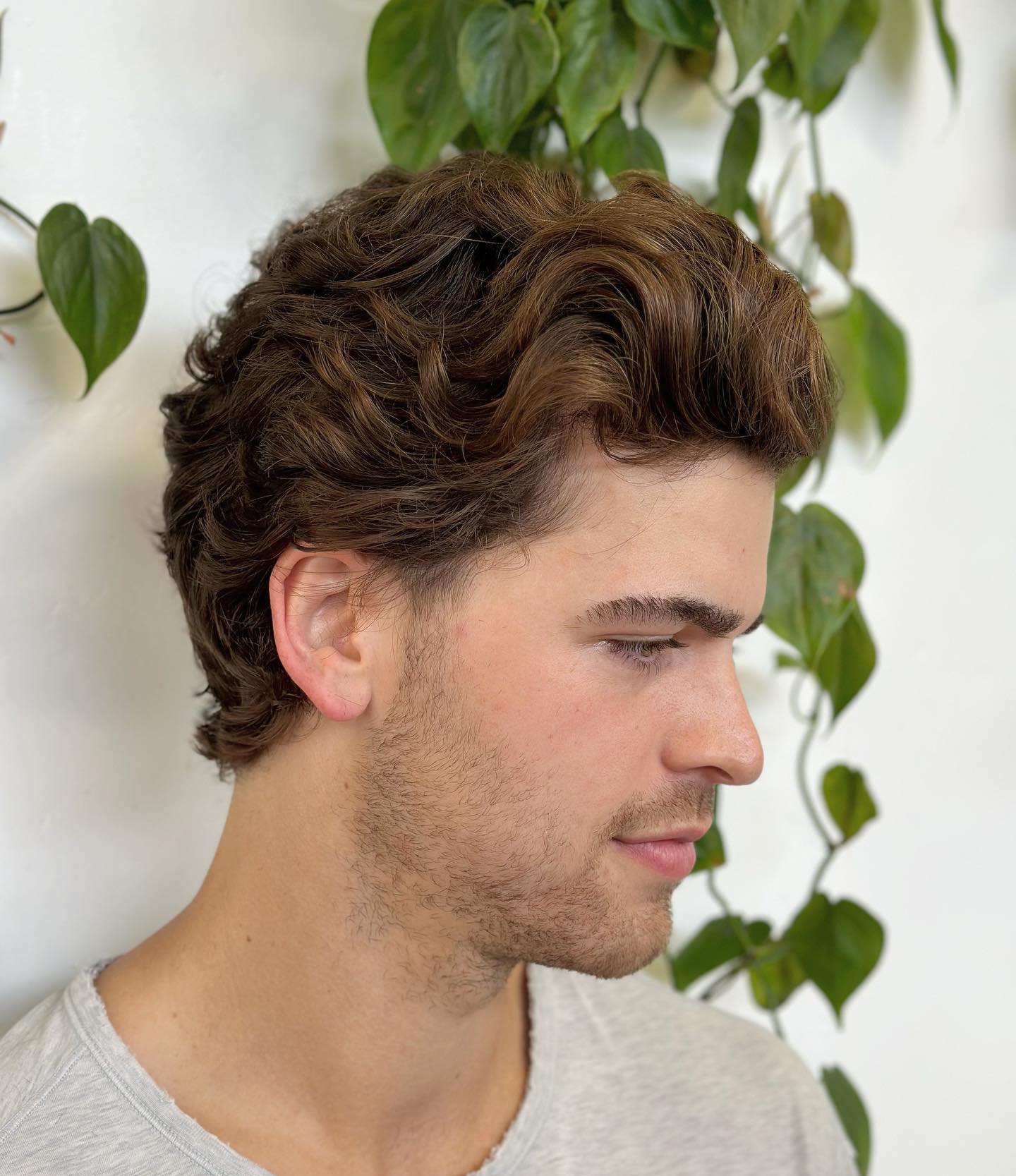
The top is brushed back and slightly to the side, creating a clean wave pattern that stays full without looking stiff. The sides are shorter but still blended, so the overall shape feels polished and soft at the edges. A good point to bring up is whether you want the front to keep height or sit lower across the forehead.
Tapered Wavy Mullet
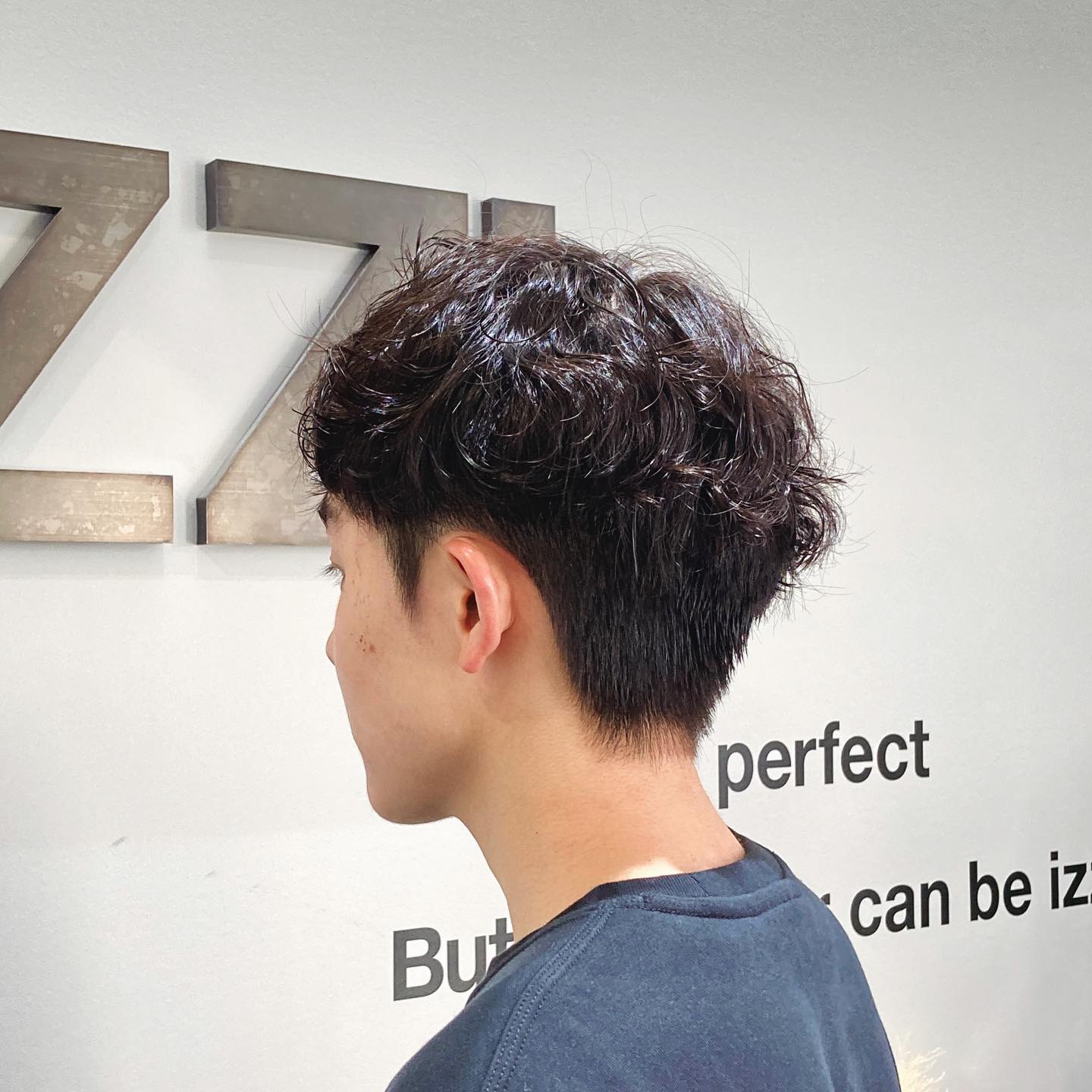
Texture concentrates on top and at the back, while the sides taper close for a cleaner outline. The crown looks airy and slightly separated, and the rear length gives the cut a noticeable tail without going extreme. If you want this shape, ask where the taper should stop so the transition into the back stays smooth.
Clean Fade Crop
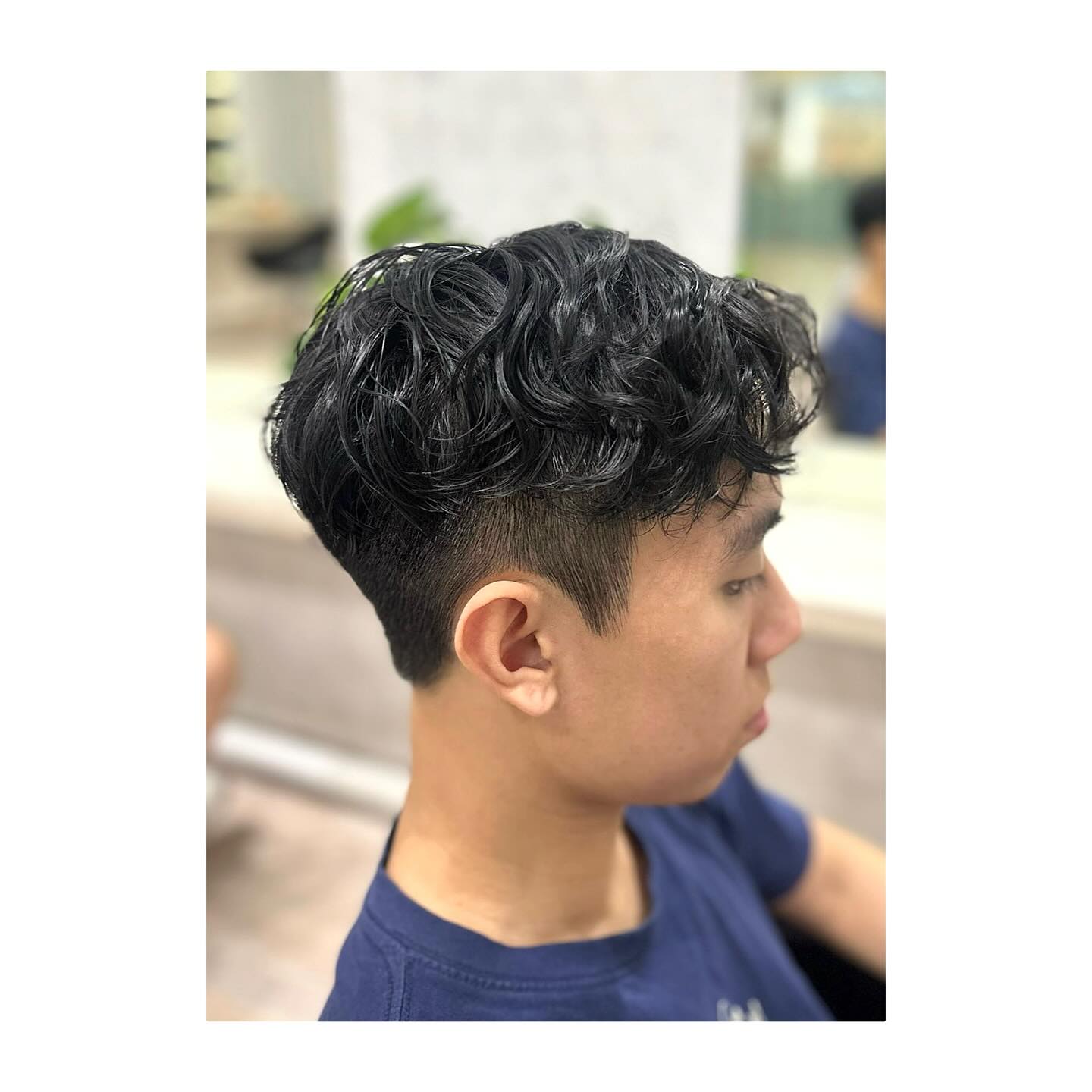
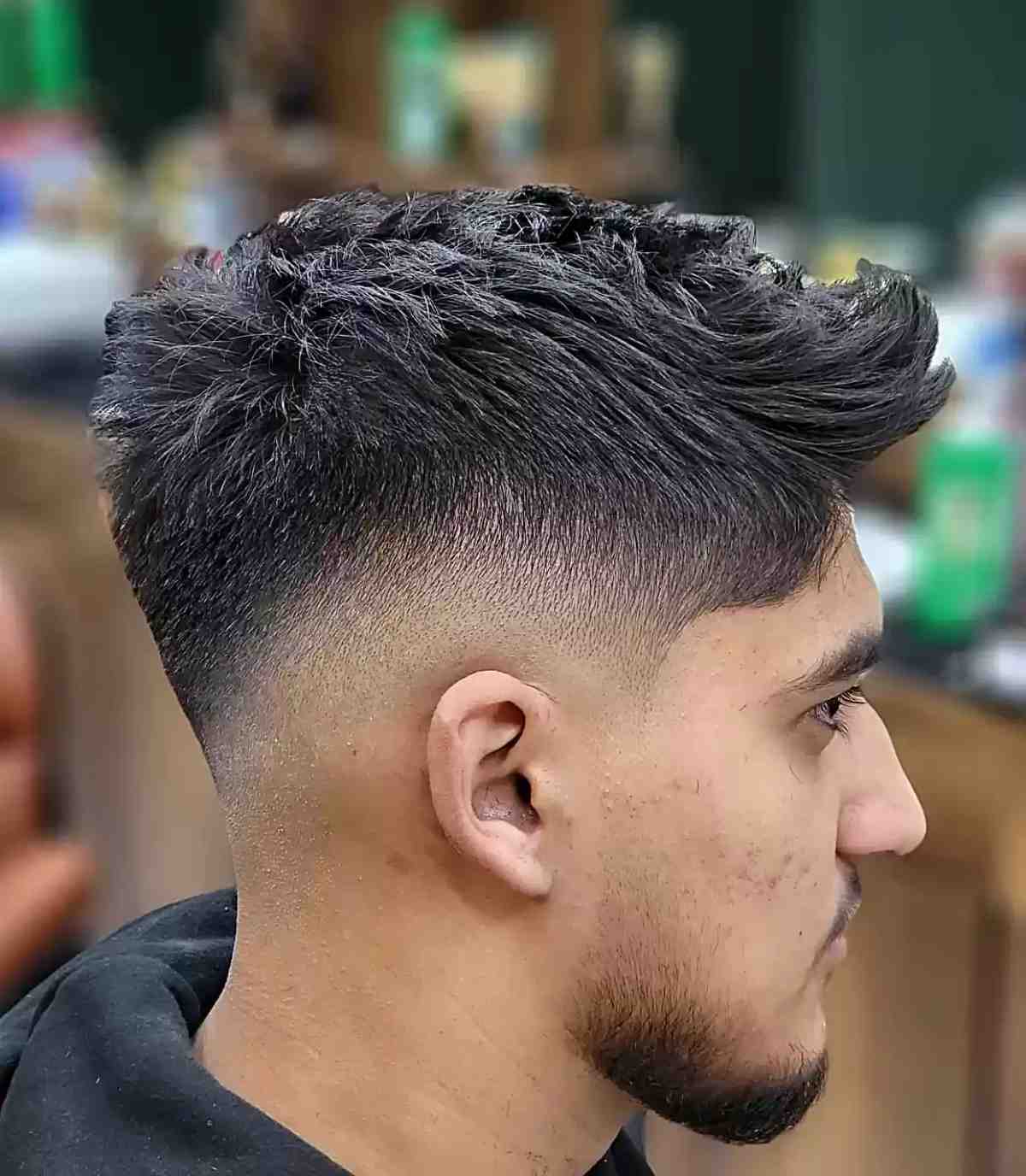
The top is short and heavily textured, with loose waves pushed forward and a fade that drops cleanly around the sides and back. The crown keeps fullness, but the tight outline makes the texture feel sharper and more defined. Bring up whether you want the fringe to sit straight across or break up into smaller pieces for a softer edge.
Layered Shag Waves
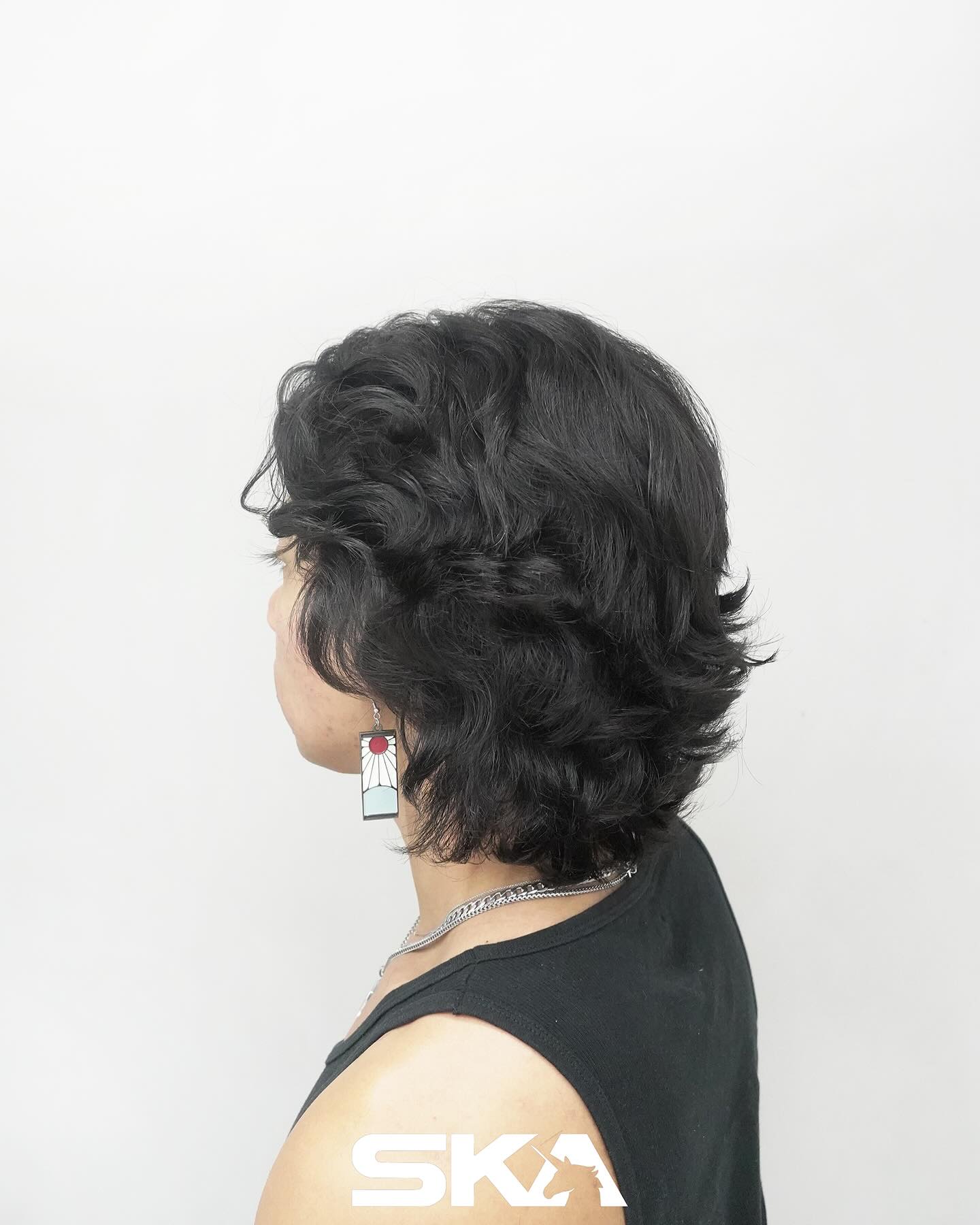
Medium-to-long layers build a soft shag shape that sits past the nape and fans outward around the head. The waves are loose and airy, with a little lift at the crown and more movement toward the ends. A practical salon question is how much length you want preserved around the neckline if you prefer a fuller rear profile.
Short Tapered Wave Crop
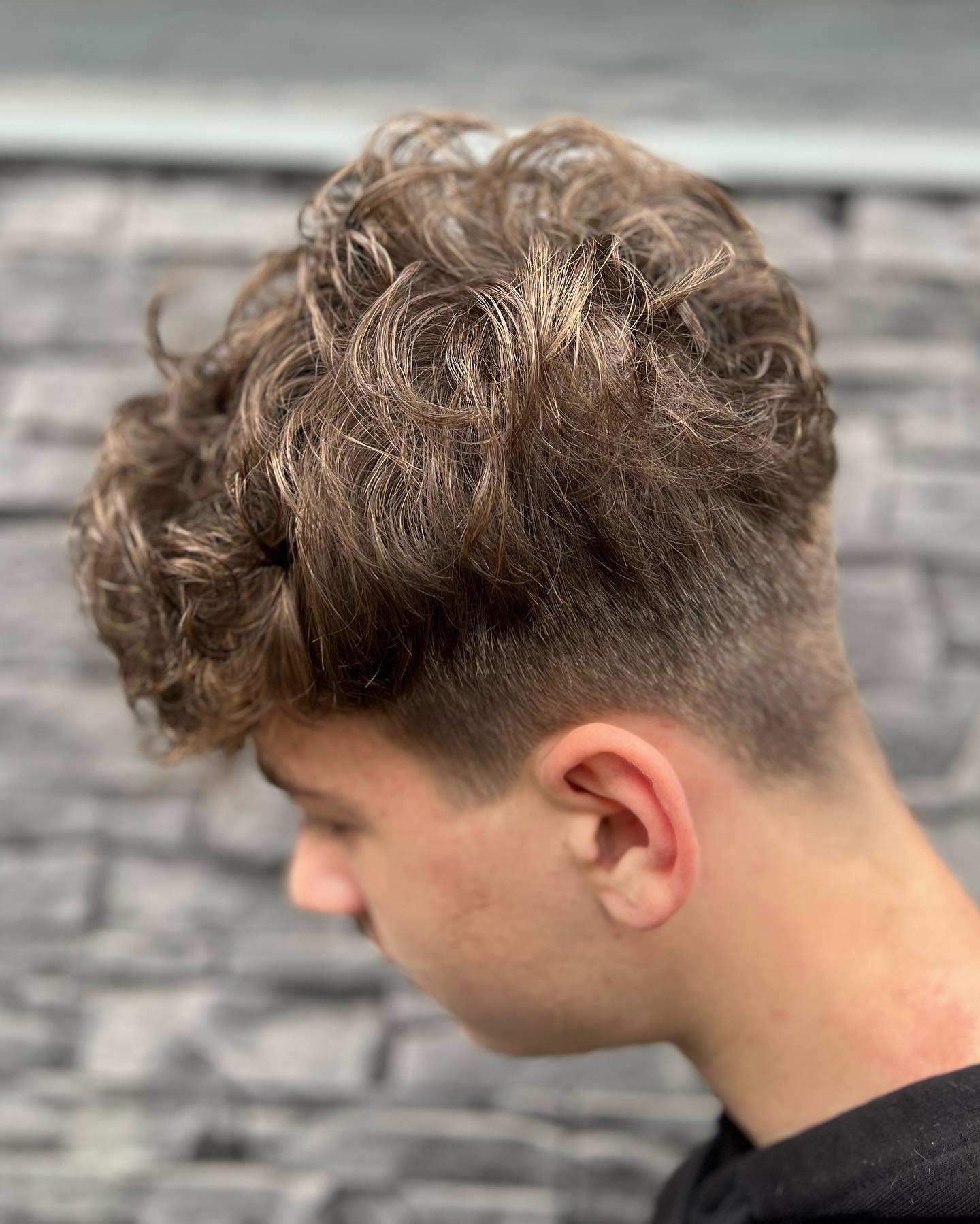
A compact wavy top sits over closely tapered sides and back, so the texture stays the focus while the outline remains neat. The front lifts slightly and the crown holds visible bends, giving the cut shape without adding much length. If this is your target, ask how tight the taper should be around the ears to keep the crop crisp.